A reliable contact lens supplier does more than offer attractive prices. The right partner protects product quality, supports traceable orders, and responds clearly when something goes wrong. A box may look perfect. Its paperwork still matters.
Ophthalmologist Dr. Thomas Steinemann has emphasized that contact lenses are medical devices and require responsible use. That principle should shape supplier selection, too. Buyers should check whether product details match the packaging, whether lot numbers and expiration dates are visible, and whether the supplier can explain its quality controls. Ask for relevant documentation and confirm that products meet the requirements of the markets where they will be sold. A quick, specific answer is more reassuring than a polished sales pitch.
This guide outlines practical ways to assess a contact lens supplier before committing to regular orders. It covers product consistency, documentation, communication, delivery performance, and after-sales support. Requesting samples can reveal small but important details, such as print clarity, sealed packaging, and whether items arrive as ordered. References from established customers may also help, though they should not replace your own checks. Even a reputable supplier can make mistakes. The useful question is how openly and promptly those mistakes are handled. A low quote is tempting; I would still pause if basic questions receive vague answers. Reliable sourcing takes careful comparison, not guesswork.
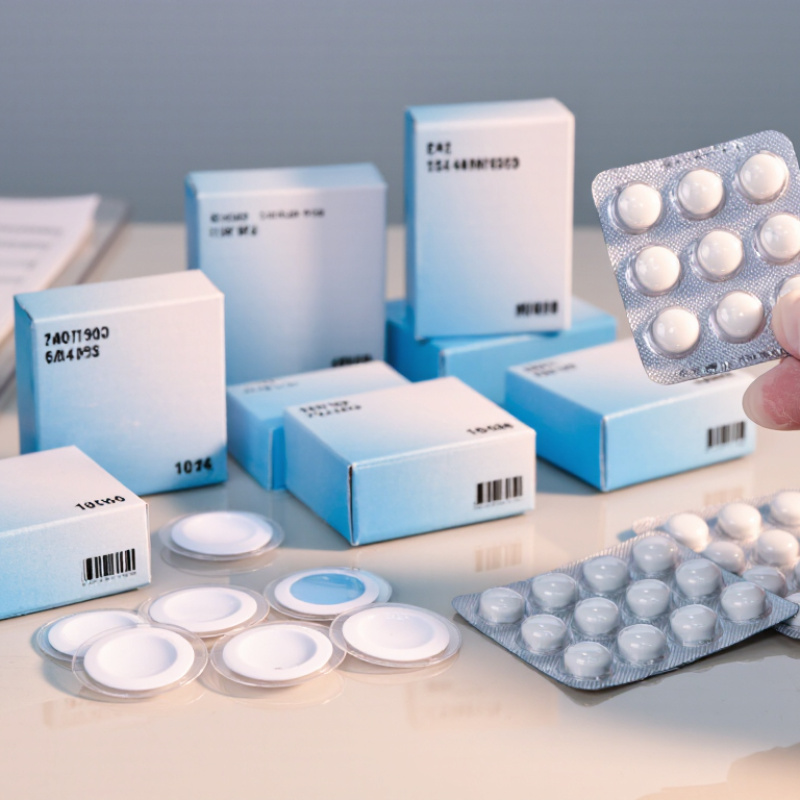
Confirm Contact Lens Class II Status Under 21 CFR 886.5925
How to Find a Reliable Contact Lens Supplier
For soft, hydrophilic contact lenses, 21 CFR 886.5925 identifies the device as Class II. That classification matters, but it does not certify a supplier or guarantee every product is suitable. Confirm that the regulation matches the lens type and intended use you are sourcing. A rigid lens, for example, may fall under a different classification. Small details matter here.
Ask the supplier for the device’s legal manufacturer, model, intended-use labeling, and applicable FDA 510(k) clearance information. Verify any clearance number in FDA records rather than relying on a screenshot or sales claim. Establishment registration and device listing are not the same as FDA approval. Request lot-level traceability, packaging samples, and records showing how storage conditions are monitored. A box should identify the lens clearly, with readable lot and expiration details. If documents use different model names, pause and ask why. It may be a simple paperwork mismatch, but it deserves a clear answer. Strong suppliers respond with records that match the product—not just polished promises.
| Verification Area | What to Confirm | Reliable Evidence | Warning Signs |
|---|---|---|---|
| FDA device classification | Check whether the specific contact lens is classified as Class II under 21 CFR 886.5925. Confirm the device type and applicable FDA product code rather than relying only on a general statement about contact lenses. | FDA classification information that matches the device description and intended use. Compare the regulation, product code, and device details in FDA databases. | A supplier cites the regulation without identifying the device or cannot explain how the classification applies to the specific lens. |
| Premarket authorization | Determine whether the specific device requires a 510(k) submission or qualifies for an applicable exemption. If a 510(k) is required, check that the clearance covers the actual device, manufacturer, and intended use. | For a cleared device, an FDA 510(k) number and a matching FDA database record. For an exemption claim, documentation supporting the applicable exemption. | A claim of “FDA approved” is used in place of verifiable clearance or exemption information. FDA 510(k) clearance is not the same as FDA approval. |
| Manufacturer and supplier roles | Identify the legal manufacturer and clarify whether the supplier is the manufacturer, an importer, or a distributor. Match the manufacturer to the regulatory records for the device. | Consistent manufacturer and device details across labeling, regulatory records, quality documents, and commercial records. | The supplier will not identify the legal manufacturer or the names and details differ across documents without explanation. |
| FDA establishment registration and device listing | Where applicable, check relevant establishment registration and device listing information in FDA records. Confirm the details relate to the responsible establishment and device. | Current, matching FDA database entries, checked directly rather than accepted as a certificate supplied by a seller. | The supplier presents registration or listing as proof that FDA has cleared, approved, or endorsed the product. Registration and listing alone do not establish those claims. |
| Intended use and labeling | Review the lens type, intended use, wear schedule, replacement schedule, warnings, and instructions for use. Ensure the proposed use matches the device’s labeling and applicable authorization. | Complete, legible labeling and instructions that are consistent with the device’s regulatory records and the product supplied. | Unsubstantiated claims, missing instructions, or directions that conflict with the authorized labeling. |
| Prescription and lens specifications | Confirm that ordering and dispensing processes support applicable prescription requirements and that the lens specifications match the order, such as power, base curve, diameter, material, and design where relevant. | Documented order review, accurate product specifications, and traceable records linking the supplied lens to the order. | Substitutions or specification changes are made without documented authorization or disclosure. |
| Quality system and change control | Ask how the manufacturer controls design, production, complaints, nonconforming product, and changes that may affect the device. Verify that the quality-system information is appropriate to the manufacturer and applicable requirements. | Relevant quality documentation, audit information, and documented change-control procedures. An ISO 13485 certificate may support an assessment but does not replace FDA requirements or device authorization. | Undocumented manufacturing changes, no process for complaints or corrective actions, or a quality certificate presented as a substitute for FDA clearance. |
| Sterility, packaging, and shelf life | For products supplied sterile, check the sterile claim, package integrity, storage conditions, and expiry information. Verify that packaging and sterilization details are consistent with the device labeling. | Intact labeled packaging with lot or batch identification and an unexpired date; supporting sterilization and packaging documentation where applicable. | Damaged or relabeled packaging, missing lot identification, unclear expiry dates, or unsupported sterility claims. |
| Traceability and post-market support | Confirm that the supplier can trace products by lot or batch and has a process for handling complaints, returns, recalls, and safety communications. | Written traceability and complaint-handling procedures, with records linking shipments to device lots and customers. | The supplier cannot identify the source or lot of supplied products or has no documented process for safety issues. |
FAQS
It identifies soft, hydrophilic contact lenses as Class II devices. Confirm the lens type and intended use; rigid lenses may differ.
No. It describes a device classification, not supplier quality or suitability. Documents still need careful review.
Request the legal manufacturer, model, intended-use labeling, and applicable clearance information. Ask for lot traceability and storage-monitoring records, too.
Check the clearance number in FDA records. A screenshot or sales statement alone is not enough.
Read the model, lot number, and expiration date. Confirm that labels are legible and match the supplied records.
The general date for labels and database submissions was September 24, 2016. Applicable exceptions and enforcement policies may affect requirements.
Compare the printed device identifier with the relevant database entry. Scan the barcode, then compare its decoded value with the label.
Different package configurations can carry different identifiers. Match the record to the exact box you plan to purchase.
Pause and request a specific explanation. It might be a paperwork mismatch, but guessing would be unwise. Keep dated label photos.
Conclusion
Choosing a reliable contact lens supplier requires more than comparing prices. First, confirm that the lenses are appropriately classified as Class II devices under 21 CFR 886.5925, and verify that the supplier’s ISO 13485:2016 certification covers the relevant medical-device activities. Ask how lens measurements are tested and documented against the methods in ISO 18369-3:2017, so you can assess whether specifications are supported by consistent quality controls.
Before placing an order, review product labels for applicable UDI information and check that Class II labeling reflects the FDA requirements associated with the 2016 compliance deadline. Also confirm that the supplier has clear procedures for prescription verification, sterile handling, and lot-level traceability. Complete records make it easier to investigate quality concerns and connect each product to its manufacturing and distribution history. A supplier that can provide current, coherent documentation is better positioned to support dependable purchasing and product oversight.
