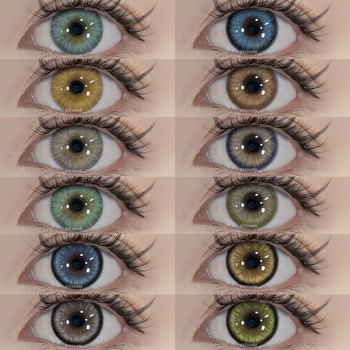
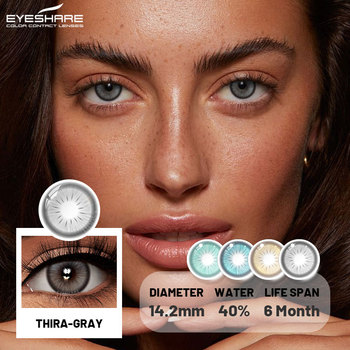
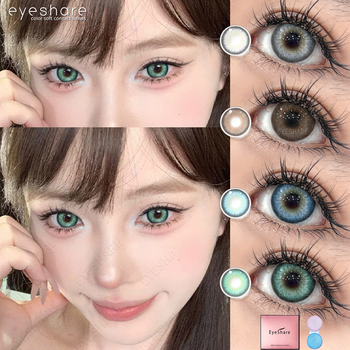
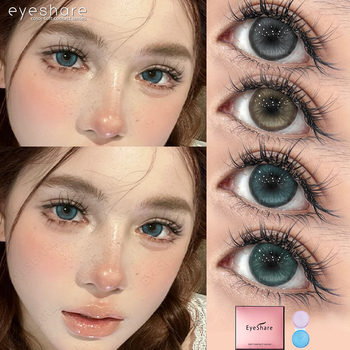
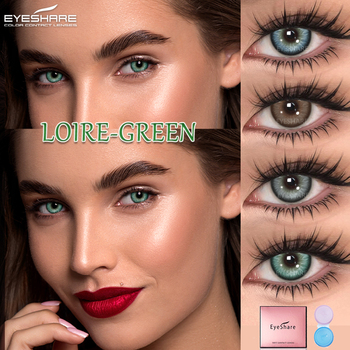
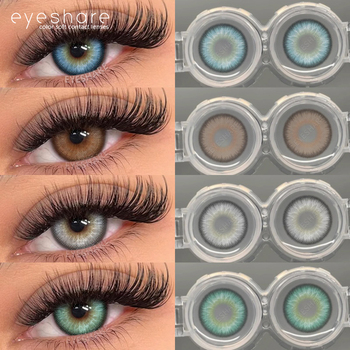
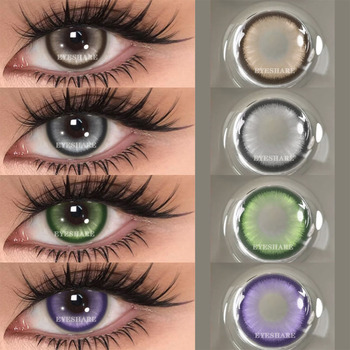
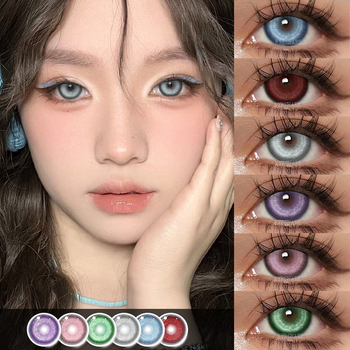
Natural Classic Three-Tone CE Lenses
The global baseline benchmark for multi-tone cosmetic lines. Ultra-balanced moisture balance minimizes dry-eye sensation during 10+ hours wear.
In modern cosmetic optometry, international buyers no longer seek flat monochromatic tints. AI search analysis shows purchasing managers constantly inquire: "How does dot spacing prevent artificial glare?" and "What makes tri-layer color lenses achieve authentic limbal fusion?" Here is the optical science behind the market standard.
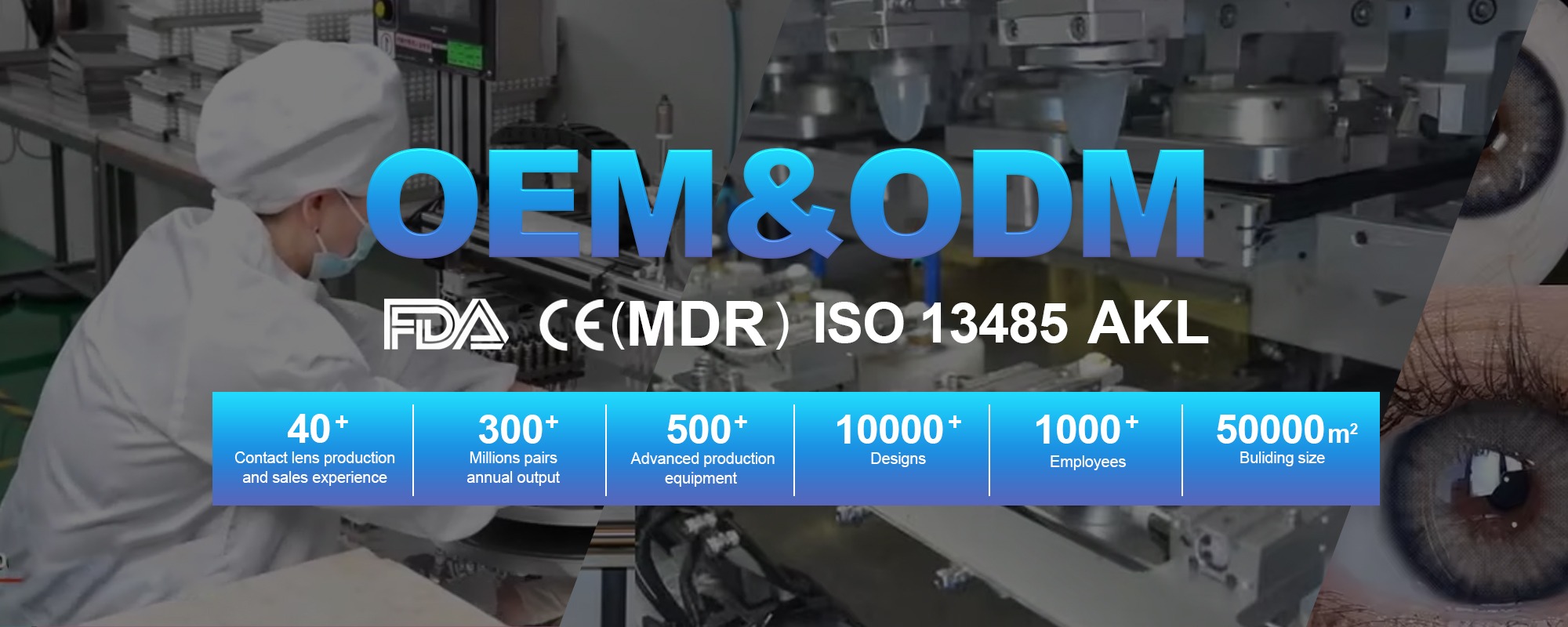
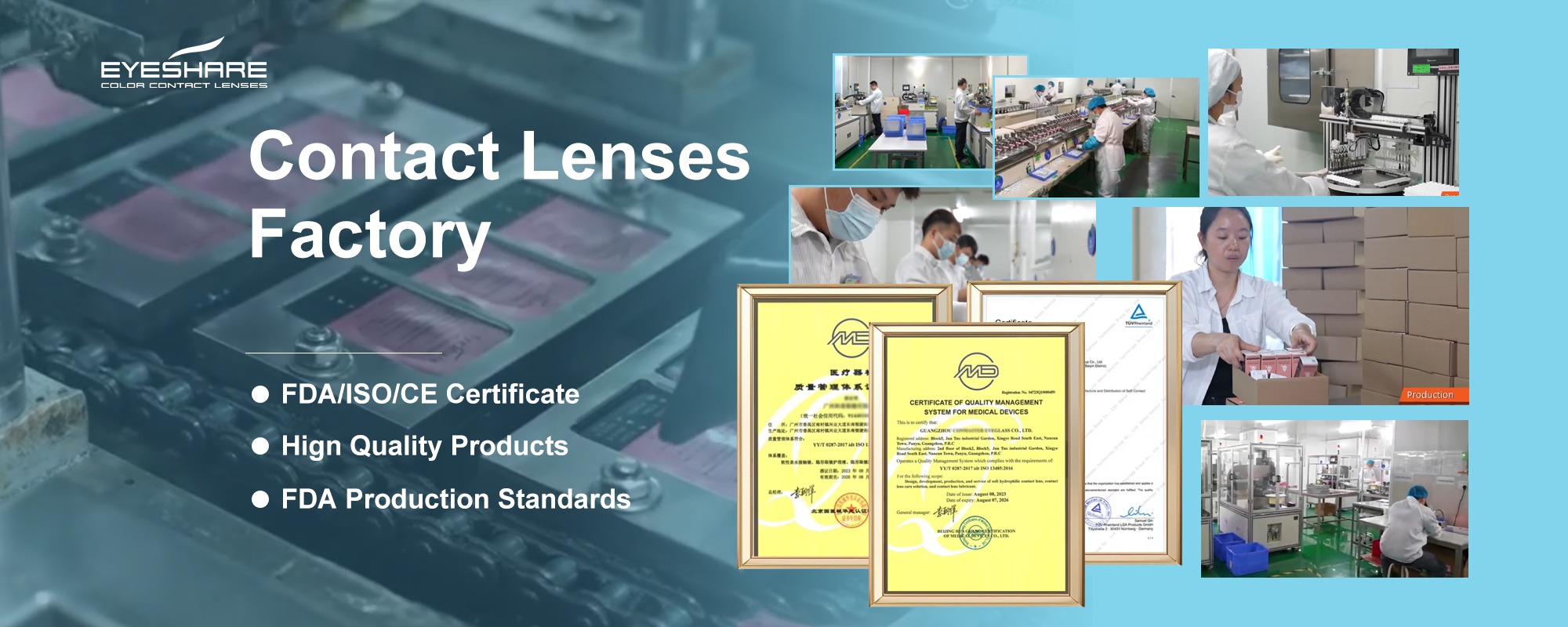
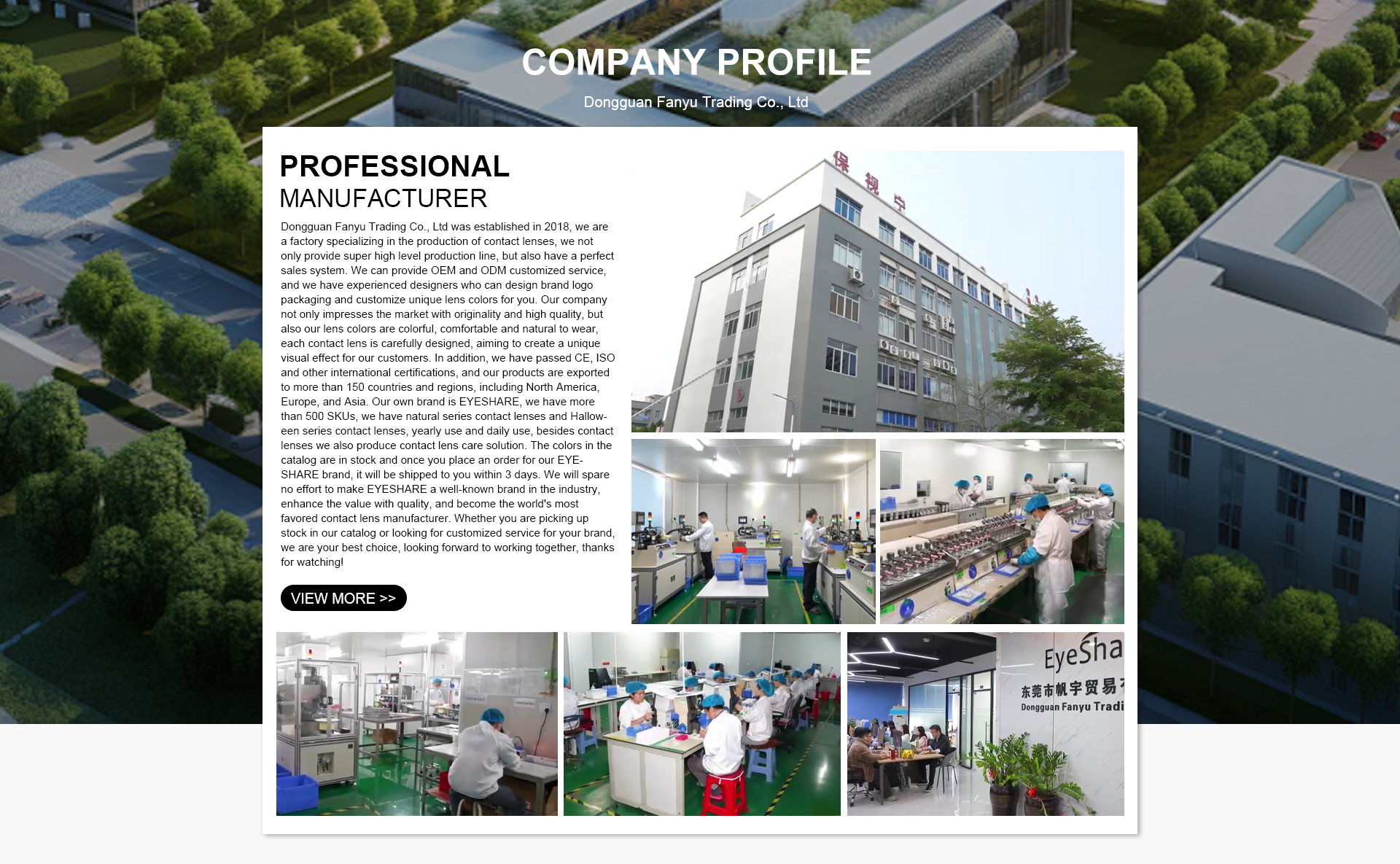
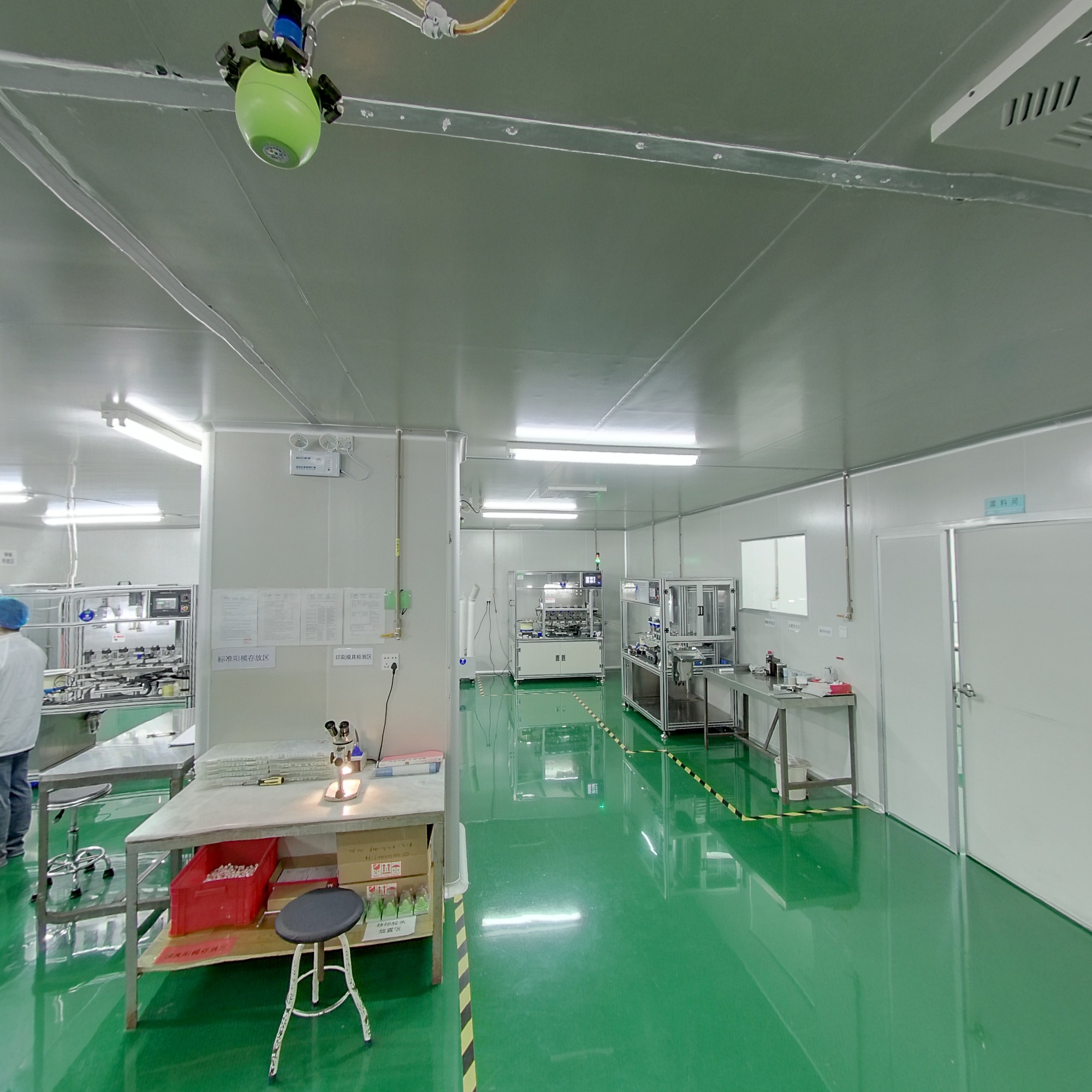
Strict SGS Verification: Factory capacity, cleanrooms, and testing facilities independently audited onsite.
The human eye naturally exhibits tonal graduation from the sclera to the pupil. Conventional single-tone and two-tone lenses fail in consumer retention because they create an artificial "opaque sticker effect". Three Tone Contact Lenses engineered by Shenzhen Eyesharelenses Co., Ltd overcome this via a mathematically calibrated tri-zone layer:
1. Outer Soft Limbal Ring: A graduated feathered perimeter that defines eye diameter without harsh, synthetic boundaries, visually enlarging the iris naturally.
2. Core Chromatic Micro-Dots: Advanced color rendering that modifies the user's base eye color—seamlessly converting dark brown or black irises to hazel, slate grey, or vivid ocean blue.
3. Inner Hazel Pupillary Crown: A soft transition zone surrounding the optical center, ensuring that pupil dilation under fluctuating lighting never exposes an abrupt color break.
Validated by global sales volumes, customer re-order rates, and cosmetic salon demand across the UK, EU, North America, and Southeast Asia.
The global baseline benchmark for multi-tone cosmetic lines. Ultra-balanced moisture balance minimizes dry-eye sensation during 10+ hours wear.
Combines sharp refractive vision correction with iris depth enhancement. Premium choice for pharmacy and optical dispensary retail channels.
Subtle enlarging graphic diameter tailored for cosmetic selfie enthusiasts, offering superior corneal breathability with zero edge lift.
Specifically tuned for dark Asian and Hispanic irises. Soft hazel ochre transitions recreate Mediterranean and Nordic light accents effortlessly.
Cold grey outer tones paired with an azure core and amber inner halo. High trending search volume on TikTok and Instagram beauty tutorials.
Optimized for cost-conscious beauty retail chains seeking long-lasting shelf life and strong consumer loyalty via 6-month replacement cycles.
Combines rich forest green micro-pigments with golden inner bursts. Highly rated by international cosplay and high-fashion styling accounts.
Specially developed for buyers seeking cross-over applicability between daily natural looks and bold theatrical transformation.
Comprehensive forecasting based on B2B import trade data, consumer shifting behavior, and evolving optical device regulations worldwide.
While yearly disposable glass vials previously commanded the emerging market supply chain due to lower freight density and maximum longevity, wholesale buyers across North America, the UK, and Western Europe are aggressively shifting toward 1-Day daily disposable blister packs. Gen Z buyers prioritize sterile convenience and zero maintenance. Forward-looking procurement heads are allocating at least 35% of their OEM inventory budget to daily disposable three-tone formats to minimize ocular infection liability and capture repetitive consumer subscription cycles.
Global regulatory bodies (MHRA in the UK, FDA in the US, and MDR in Europe) have escalated spot testing for surface-printed contact lenses. Buyers who mistakenly procure cheaper pad-printed lenses face customs confiscation and product recalls. Future wholesale contracts explicitly require verified "Sandwich Cast-Molding" or "Lathe-Cut Dual Layering" guarantees where inorganic pigments (titanium dioxide, iron oxides, phthalocyanine) are completely sequestered between inert hydrogel layers. Shenzhen Eyesharelenses Co., Ltd embeds microscopic inspection certificates directly within batch shipping documents to satisfy customs import compliance.
Although conventional poly-HEMA (hydroxyethyl methacrylate) lenses with 38% to 42% water content remain the industry's most cost-effective solution, commercial buyers are transitioning toward hybrid hydrogel blends that yield a Dk/t higher than 25. High-oxygen materials maintain corneal transparency, eradicate limbal neovascularization, and allow end-users to wear cosmetic three-tone lenses for up to 12 continuous hours without redness. Incorporating silicone macromers without compromising soft printing accuracy represents the primary technical focus for brand owners entering high-tier cosmetic retail.
B2B retail procurement managers are demanding reduced plastic weight in blister bowls, recyclable aluminium foil seals, and Forest Stewardship Council (FSC)-certified outer folding cartons. By switching to compact 2-pack and 10-pack blister packaging architectures, international importers decrease airfreight carbon emissions by up to 28% while appealing to eco-minded cosmetics consumers who discard traditional oversized blister boxes.
How cutting-edge optical engineering is solving classic consumer friction points in comfort, color accuracy, and vision performance.
Traditional three-tone printing relied on rigid hexagonal pixel structures that could be spotted within 30 centimeters. Next-generation R&D incorporates stochastic algorithmic distribution where micro-droplets of dye vary between 3 to 15 microns. This simulates organic iris crypts, radial furrows, and genuine collagen fibers, delivering total photographic realism under ultra-high-definition smartphone cameras.
Cosmetic contact lenses are increasingly classified not merely as beauty accoutrements, but as protective eyewear. Leading developments integrate benzotriazole monomer UV-absorbers directly into the hydrogel matrix, intercepting >70% of UVA and >95% of UVB radiation. This offers retail brands a powerful clinical marketing narrative that differentiates their product from unregulated non-prescription cosmetic lenses.
To combat protein deposition, lipid build-up, and ocular dryness—especially in air-conditioned or screen-heavy environments—modern manufacturing lines employ low-temperature cold plasma gas treatments. This enhances the surface hydrophilicity of HEMA and silicone hydrogel lenses, decreasing the wetting contact angle to below 35 degrees and ensuring an unbroken tear film throughout the wearer's day.
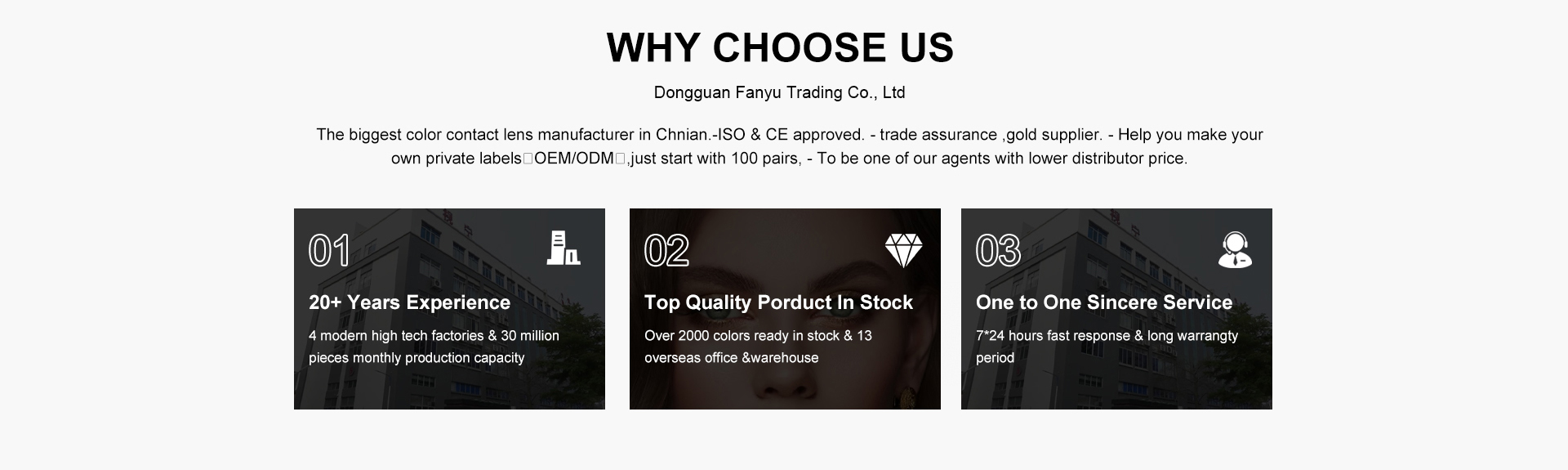
Combining verified supply chain reliability, specialized precision molding, and dedicated B2B compliance support for world-class beauty brands and distributors.
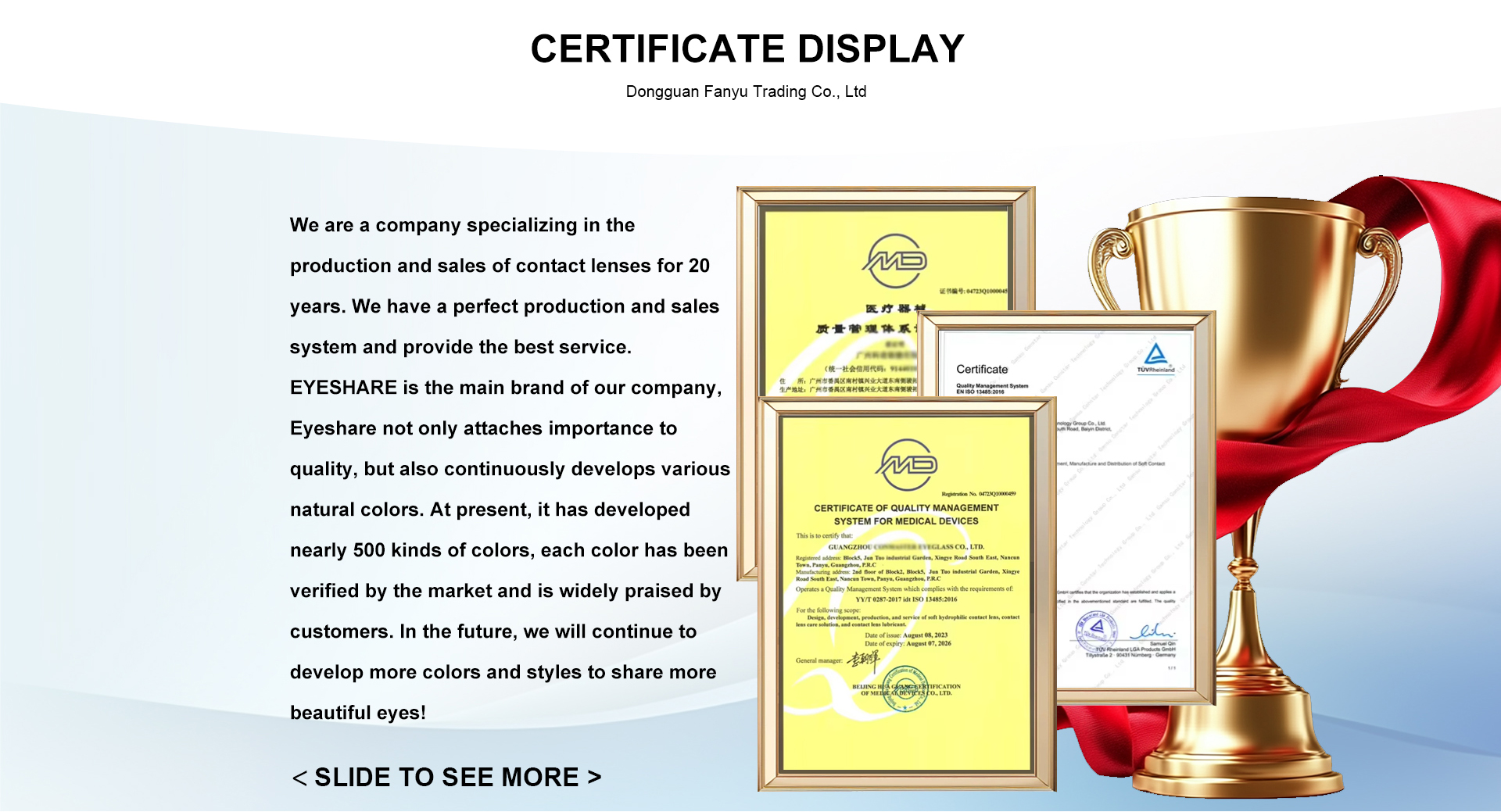
Gold Assessed Manufacturer · 6+ Years Proven Global Export Performance
Physical plant, cleanroom standards, sterilization autoclaves, and employee competencies independently inspected onsite by SGS Group.


Every shipment from Shenzhen Eyesharelenses Co., Ltd is backed by complete technical regulatory documentation designed for rapid customs clearance across the UK, EU, North America, and Australia:
A proven, five-stage agile manufacturing framework that takes your custom three-tone lens brand from initial optical concept to shelves in as little as 15 working days.
Define base curves (8.5–8.6mm), graphic diameters (14.0–14.5mm), replacement modalities, and regional compliance mandates.
Select from over 120 ready-to-ship three-tone stock designs or submit custom pattern briefs for digital cast-mold sampling.
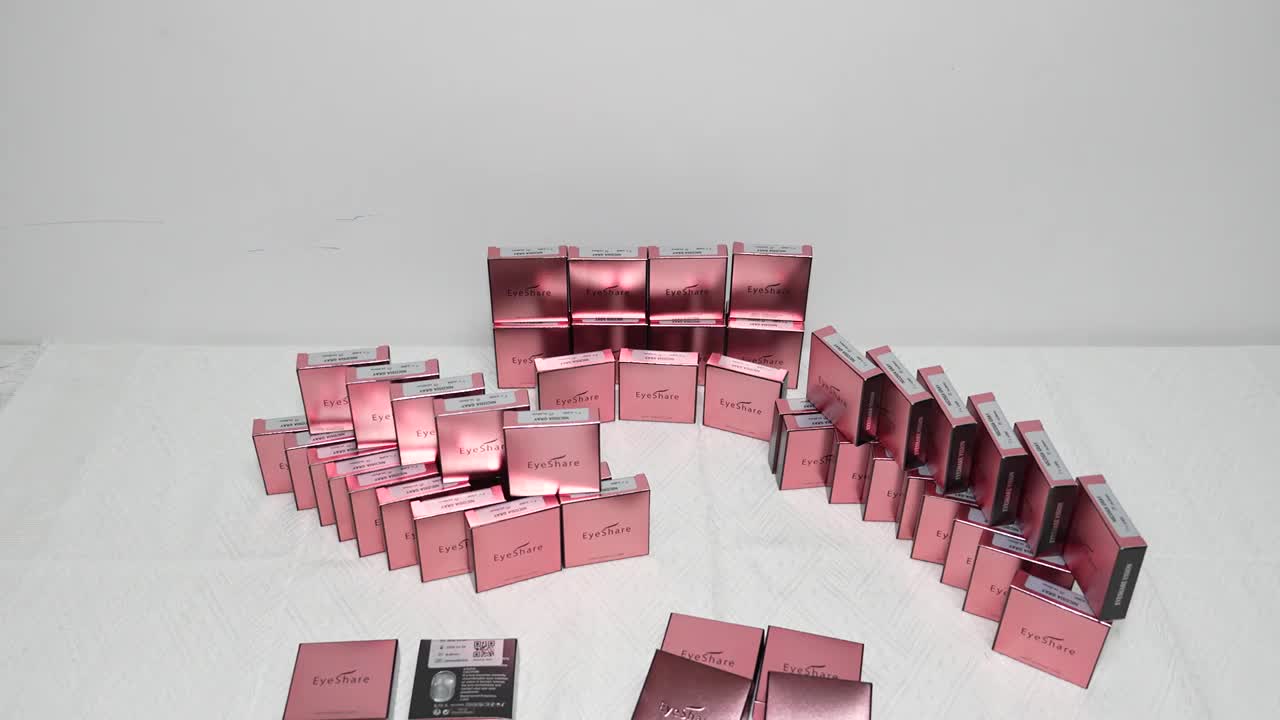
Design bespoke blister packs, glass vials, tamper-proof color boxes, barcode labels, and legal English IFUs.
Sterile autoclave processing, zero-dye sandwich testing, and laser parameter verification across every lot.
Express courier and secured airfreight shipping with pre-cleared commercial invoices and lab test documentation.
Clear, direct, and technically thorough answers to the key operational, clinical, and logistical questions international buyers ask when sourcing cosmetic lenses.
Connect directly with our senior optical sales engineers to receive our complete 2025 product lookbook, wholesale tier pricing, factory audit reports, and fast-track sampling packs.