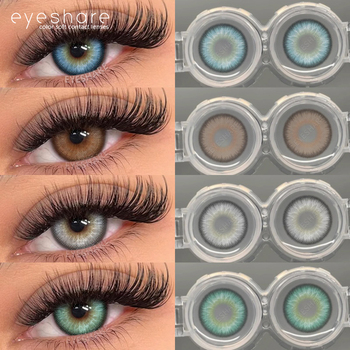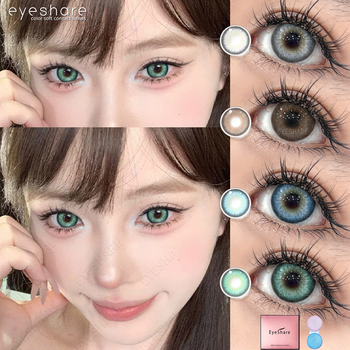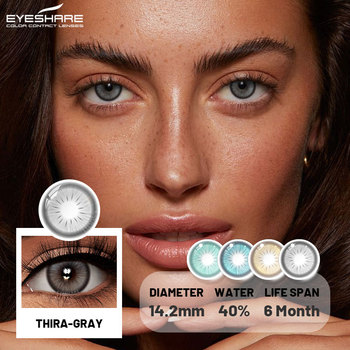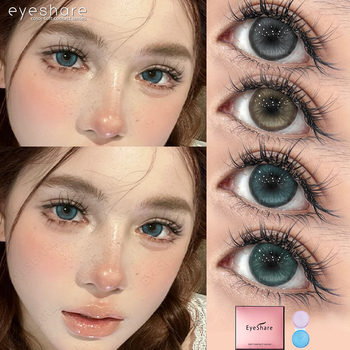

In the rapidly evolving global contact lens market, optical procurement managers and private-label distributors face a crucial decision: balancing consumer price sensitivity, wearing safety, and inventory turnover. While daily disposables dominate convenience marketing and yearly lenses target budget consumers, Half-Yearly Contact Lenses (6-month replacement lenses) have emerged as the single most lucrative category for B2B optical buyers in North America, Europe, and the Middle East.
By offering an optimal 180-day wearing cycle, half-yearly contact lenses combine the structural tear-resistant durability of annual lenses with the deposit-resistant surface properties of frequent replacement modalities. Below, our senior optical engineers and growth strategists at Shenzhen Eyesharelenses Co., Ltd breakdown the manufacturing chemistry, market positioning, future procurement trends, and regulatory parameters governing 6-month colored and prescription contact lenses.
1. Technical Architecture & Polymer Chemistry of Half-Yearly Lenses
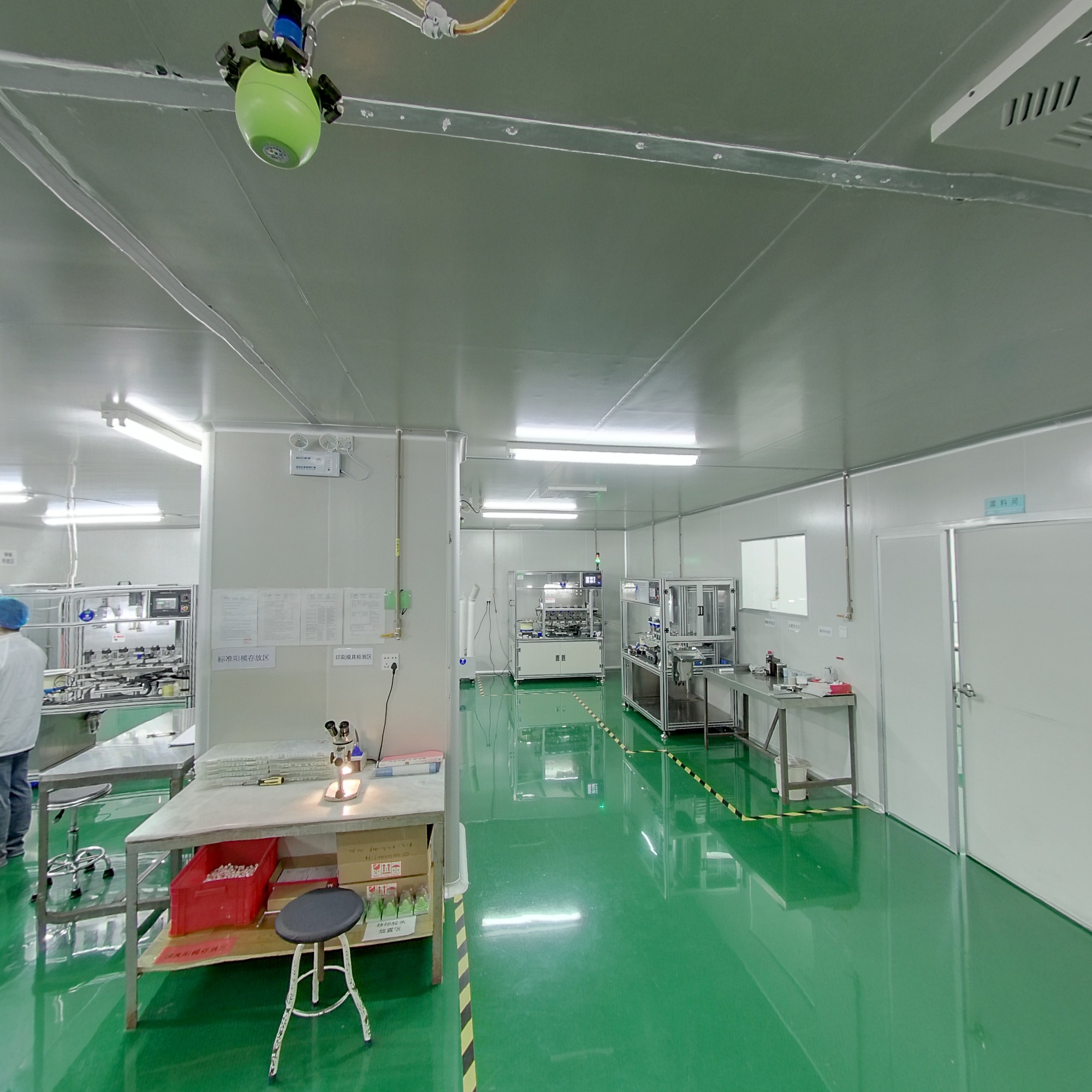
Manufacturing a soft contact lens that maintains tensile integrity, optical clarity, and physiological comfort across 180 consecutive wear cycles requires sophisticated polymer engineering. Unlike daily disposables which utilize ultra-thin hydrogel walls prone to rapid dehydration and tearing under repeated handling, half-yearly contact lenses utilize high-purity Hydroxyethyl Methacrylate (HEMA) or HEMA-MAA copolymers engineered with enhanced cross-linking density.
Information Gain: Engineering Specifications for 6-Month Hydrogel Lenses
- Water Content Equilibrium (38% – 42%): Maintaining water content at 38% to 42% creates a non-dehydrating lens matrix. High-water content lenses (>58%) actually draw moisture out of the wearer's tear film during prolonged wear, causing end-of-day dryness. A 38% HEMA lens retains its water retention balance, preventing lens shrinkage and maintaining base curve alignment over 6 months.
- Sandwich Color Encapsulation Technology: To prevent pigment migration or direct micro-abrasion against the corneal epithelium, Shenzhen Eyesharelenses Co., Ltd applies a dual-layer encapsulation process. Non-toxic organic pigments are locked between an inner and outer layer of transparent HEMA material. The dye layer never touches the eye, ensuring 100% color fastness and ocular safety across the 180-day lifecycle.
- Enhanced Dk/t (Oxygen Transmissibility) & Edge Geometry: Our half-yearly series features a precise lathe-cut or cast-molded edge profile (tapered to 0.05mm at the periphery). This reduces lid friction during blinking and facilitates steady tear exchange under the lens, maintaining healthy corneal respiration.
2. B2B Economics: Daily vs. Half-Yearly vs. Yearly Contact Lenses
For B2B procurement directors, evaluating inventory capital efficiency is as critical as verifying lens parameters. Below is a comparative economic breakdown illustrating why half-yearly contact lenses yield superior gross margin percentages and customer Lifetime Value (LTV) for retail brands:
| Modality | Retailer Wholesale Cost (Per Pair) | Annualized End-User Cost | Retail Gross Margin % | Deposit Accumulation Risk | Inventory Storage Efficiency |
|---|---|---|---|---|---|
| Daily Disposables | $0.40 - $0.80 (360 pairs = $144+) | High ($350 - $500/yr) | 25% - 40% | Zero Risk | Low (Requires massive warehouse volumetric space) |
| Half-Yearly Lenses | $1.30 - $2.60 (2 pairs = $2.60 - $5.20) | Moderate ($40 - $80/yr) | 65% - 85% | Low (Controlled with standard multi-purpose solution) | High (Minimal warehouse footprint, maximum turnover rate) |
| Yearly Lenses | $1.80 - $3.50 (1 pair = $1.80 - $3.50) | Low ($25 - $50/yr) | 50% - 65% | Moderate-High (Lipid & protein buildup over 12 months) | High |
As demonstrated in the commercial matrix above, half-yearly contact lenses deliver the highest retail margin percentage (up to 85%) while keeping annual costs highly attractive for end-users. Consumers perceive 6-month lenses as a premium, long-lasting cosmetic or vision product, enabling retailers to set retail price points between $25.00 and $45.00 per pair while paying minimal wholesale cost per unit.
3. Future Procurement & Technological Trends in the 6-Month Contact Lens Sector
As AI-driven search engines and smart shopping assistants analyze user reviews and supplier databases, global procurement trends for half-yearly contact lenses are shifting along four key technological axes:
- Trend 1: Silicone Hydrogel Integration in Extended Modalities: Next-generation 6-month lenses are transitioning toward fluoro-silicone hydrogel compounds that boost oxygen transmissibility (Dk/t) beyond 50, allowing longer daily wearing hours (12+ hours) without inducing hypoxia or corneal vascularization.
- Trend 2: Multi-Tone & Natural Limbic Ring Aesthetics: Consumer demand in 2025 and beyond favors subtle, realistic color transformations over flat, opaque shades. 3-tone layered prints incorporating warm hazel undertones, olive blends, and soft graphite limbic rings are projected to capture over 68% of cosmetic half-yearly lens sales.
- Trend 3: Integrated Blue-Light & UV400 Filtering: With digital device usage exceeding 8 hours daily, B2B buyers are demanding functional value-adds. Modern half-yearly lenses incorporate UV-blocking monomers that absorb up to 90% of UVA and 99% of UVB rays, safeguarding ocular tissues against long-term solar radiation.
- Trend 4: Sustainable & Recyclable Blister Packaging: Environmental legislation in Europe and North America is pressing importers to eliminate heavy plastic waste. Shenzhen Eyesharelenses Co., Ltd is leading this transition by providing zero-leak polypropylene (PP) blister trays and eco-friendly aluminum foil seals designed for 100% recyclability.