Blog
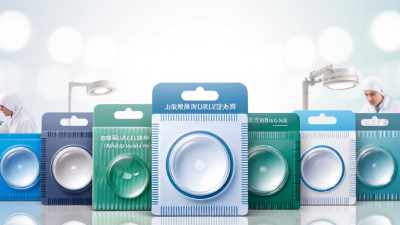
China Top 10 Contact Lens Factories for Global Buyers?
Choosing a contact lens factory in China involves more than comparing prices or browsing polished product images. Global buyers need to assess product range, manufacturing consistency, quality controls, export experience, and communication before requesting samples. A lens that looks clear in a catalog still needs reliable specifications, traceable batches, and packaging suited to the destination market. Details matter.
This guide introduces ten Chinese contact lens manufacturers for buyers exploring private-label, OEM, or established-brand sourcing. Each company should be considered against practical criteria: lens materials and designs, documented quality systems, production capacity, sample support, lead times, and responses to technical questions. Certifications and product registrations can vary by product and market, so buyers should verify current documents directly rather than relying on a directory listing. Ask for recent test reports, confirm who owns the tooling or artwork, and compare samples under consistent conditions. A supplier visit or audit can add useful context, though it cannot prove every claim.
The list is a starting point, not a guarantee of fit. Some details may change, and public information can be incomplete. Not always. Treat quoted capacity, delivery windows, and customization options as points to confirm in writing. Before placing a large order, discuss defect handling, packaging proofs, and a realistic pilot quantity with the sales and quality teams. Careful checks take time, but they can prevent costly misunderstandings. The right partner is not simply the largest factory; it is one whose evidence, processes, and service match your requirements.
Read more »
 By:Ethan
- November 17, 2026
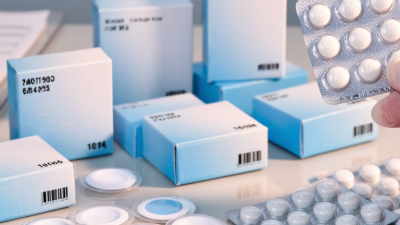
How to Find a Reliable Contact Lens Supplier
A reliable contact lens supplier does more than offer attractive prices. The right partner protects product quality, supports traceable orders, and responds clearly when something goes wrong. A box may look perfect. Its paperwork still matters.
Ophthalmologist Dr. Thomas Steinemann has emphasized that contact lenses are medical devices and require responsible use. That principle should shape supplier selection, too. Buyers should check whether product details match the packaging, whether lot numbers and expiration dates are visible, and whether the supplier can explain its quality controls. Ask for relevant documentation and confirm that products meet the requirements of the markets where they will be sold. A quick, specific answer is more reassuring than a polished sales pitch.
This guide outlines practical ways to assess a contact lens supplier before committing to regular orders. It covers product consistency, documentation, communication, delivery performance, and after-sales support. Requesting samples can reveal small but important details, such as print clarity, sealed packaging, and whether items arrive as ordered. References from established customers may also help, though they should not replace your own checks. Even a reputable supplier can make mistakes. The useful question is how openly and promptly those mistakes are handled. A low quote is tempting; I would still pause if basic questions receive vague answers. Reliable sourcing takes careful comparison, not guesswork.
Read more »
 By:Oliver
- November 10, 2026

Which Colored Contact Lens Manufacturer Is Best in 2026?
Choosing the best colored contact lens manufacturer in 2026 is not simply a matter of finding the brightest shades or lowest unit price. Buyers should examine how a company manages lens materials, color consistency, oxygen transmission, packaging, and quality checks across production runs. Small differences matter: a sample may look vivid under studio lights but appear softer beside a window.
This guide compares manufacturers through practical, verifiable criteria. It considers product range, customization options, documented quality systems, production capacity, communication, and after-sales support. Where available, readers should review current certificates, test reports, and product documentation directly, since standards and approvals vary by market. A polished website is not proof of dependable manufacturing. Ask for samples. Check the details.
The right partner also depends on the intended customer, order volume, and sales channel. A boutique brand may value flexible designs and responsive sampling, while a larger distributor may prioritize stable lead times and repeatable batches. No single ranking can fit every business. Some information may remain difficult to verify before a factory audit, and that uncertainty deserves attention rather than a confident guess. The sections ahead offer a balanced way to compare options, identify useful questions, and avoid choosing on appearance alone. Comfort and eye health ultimately depend on appropriate products and professional guidance, not marketing claims.
Read more »
By:Oliver
- November 10, 2026
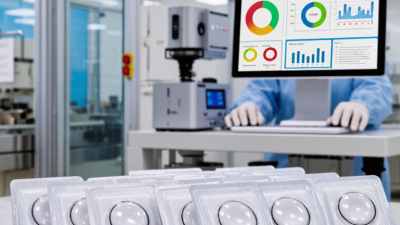
10 Tips for Choosing a Contact Lens Manufacturer
Choosing a contact lens manufacturer is a quality decision, not just a sourcing exercise. Grand View Research estimated the global contact lens market at USD 18.4 billion in 2023, with continued growth projected through 2030. Market estimates differ by research scope, but the direction is clear: demand is expanding, and buyers need suppliers that can scale without letting consistency slip.
The CDC estimates that about 45 million people in the United States wear contact lenses, based on data cited in its 2015 MMWR report. That scale makes manufacturing controls matter. A lens may look simple in its blister pack. Behind it are material specifications, dimensional checks, packaging integrity, and reliable lot records. Small details matter. Yet a polished brochure cannot prove them. Buyers should ask for current quality documentation, product test data, traceability procedures, and clear explanations of how defects are handled.
This guide outlines ten practical checks, from regulatory readiness and technical expertise to production capacity, customization, communication, and total cost. It also considers less visible risks, such as delayed materials or unclear change-control practices. Some suppliers may meet every stated requirement and still be a poor fit for a specific product or market. That is easy to overlook. Compare evidence, not promises, and verify claims directly with the manufacturer. Use the checklist as a starting point, then adapt it to your product, volume, and quality needs.
Read more »
By:Oliver
- November 10, 2026