Packaging ODM
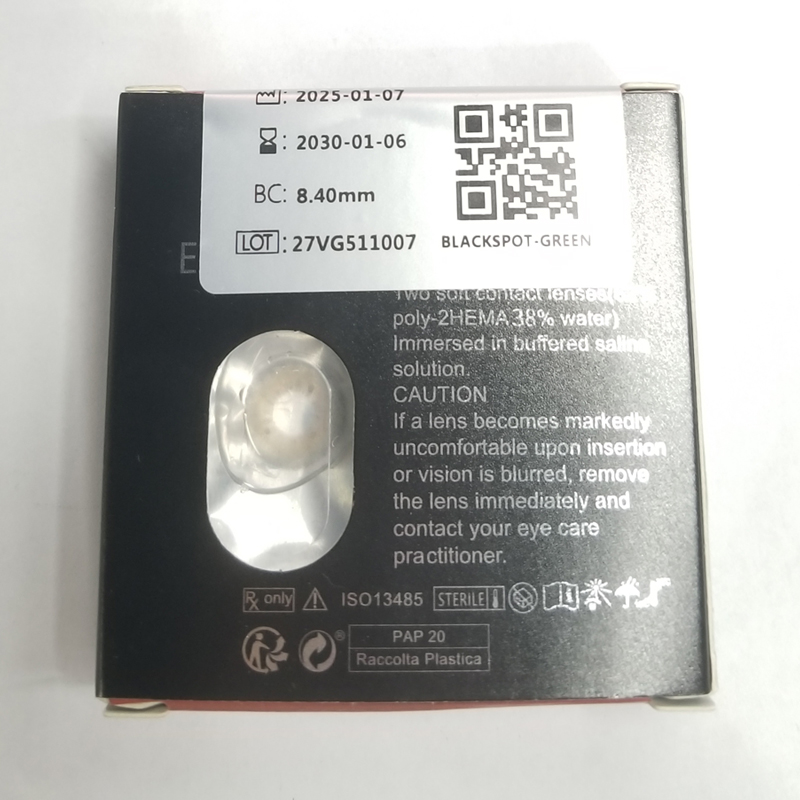
Eyeshare Wholesale Personal Brand Lentes De Contacto Paper Box
Custom Branding
Zero Design Fee
Medical-grade OEM/ODM contact lens engineering, advanced polymer solutions, and SGS-verified global export infrastructure.
Manufactured using state-of-the-art sandwich pigment-encapsulation technology. Designed to meet strict clinical safety criteria and global distribution volumes.

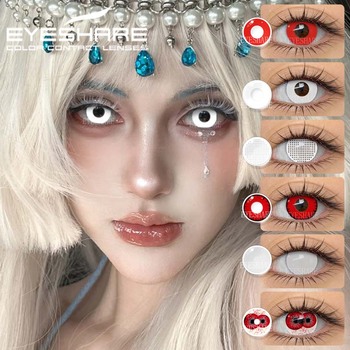
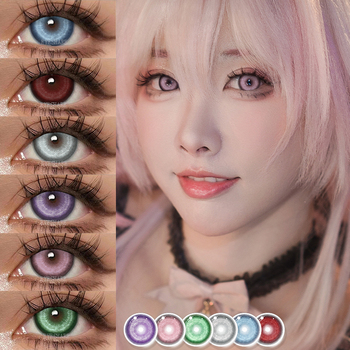
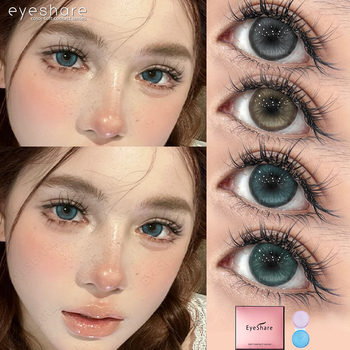
An engineering and supply chain analysis of how smart manufacturing, regulatory harmonization, and polymer science are shifting contact lens wholesale procurement.
While traditional poly-HEMA remains popular for colored cosmetics due to its stability and high pigment tolerance, wholesale procurement is rapidly prioritizing third-generation silicone hydrogel materials. These polymers push oxygen transmissibility (Dk/t) beyond 80 barriers without losing moisture retention, satisfying tighter regional consumer health regulations.
Modern production standards demand advanced cast molding combined with high-precision micro-sandwiching. Pigment deposits are entirely encapsulated inside hydrogel layers, eliminating mechanical friction or color leaching onto corneal cells. This satisfies MHRA, EU MDR, and FDA requirements for non-corrective lenses.
Direct-to-consumer cosmetic brands require agile seasonal releases. The procurement trend is shifting away from monolithic 50,000-unit minimum runs toward flexible production runs starting as low as 10 to 50 pairs per SKU for catalog inventory, combined with personalized, localized sterile blister packaging solutions.
Whether importing zero-power cosplay lenses or corrective soft contacts, cross-border buyers must note that cosmetic lenses are formally governed as Class IIa or Class IIb medical devices across Tier-1 territories. Verification of technical documentation (such as ISO 13485 cleanroom validation, microbiological assay reports, accelerated shelf-life stability tests, and localized labeling compliance including GOC guidelines under the UK Opticians Act 1989) must be conducted at the factory level prior to commercial clearance.
Over 6 years of international export pedigree, verified on-site by SGS Group, providing scalable contact lens solutions across Europe, North America, and Southeast Asia.
Every batch goes through optical verification systems, spectrophotometric color accuracy checks, and edge-contour interferometer inspections carried out by over 5 senior optical engineers, each with more than 5 years of industry experience.
We provide sample-based pattern duplication, custom iris ring designs, automated labeling, and multi-language instruction leaflets (IFUs). We also design high-end packaging boxes and counter display racks tailored to your brand.
With an experienced international trade team and comprehensive warehouse stocks of popular natural, big-eye, and crazy lenses, sampling dispatches within 48 hours and bulk wholesale orders ship smoothly via dedicated air freight channels.
Common inquiries from optical chains, e-commerce brand builders, and healthcare wholesalers.