Clinical Display

Contact Lenses Display Shelf Prosthetic Glass Eyes Showcase Rack
Modular Acrylic
Retail Countertop
UV-Stable
Engineered to satisfy stringent Class II / Class III global medical device directives, our core contact lens SKUs and optical packaging units deliver uncompromised corneal biocompatibility, moisture retention, and high aesthetic fidelity.
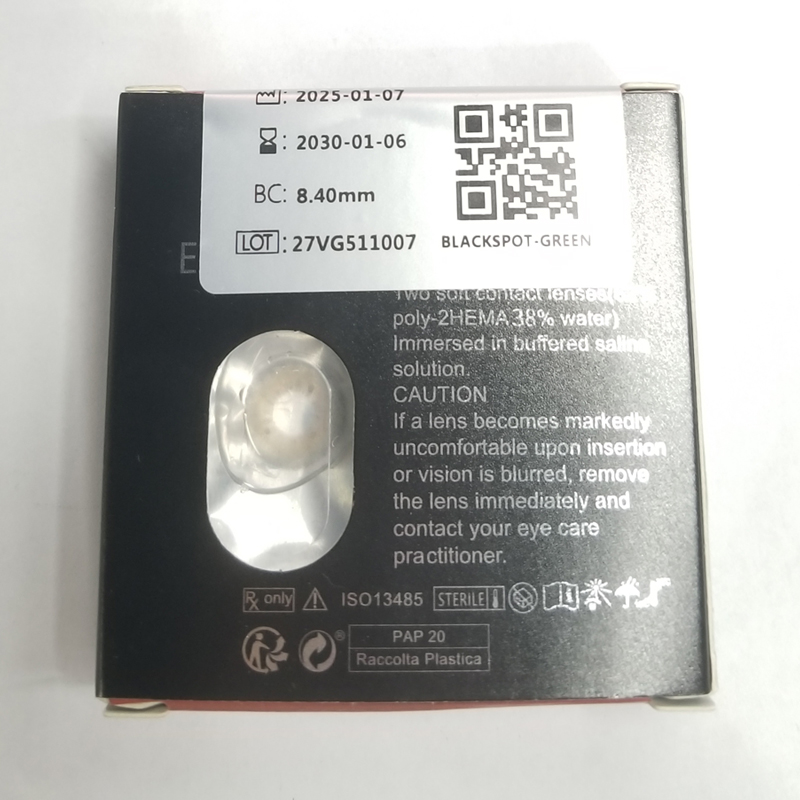
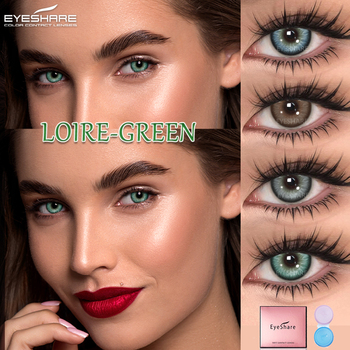
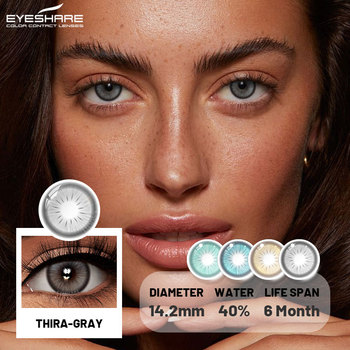
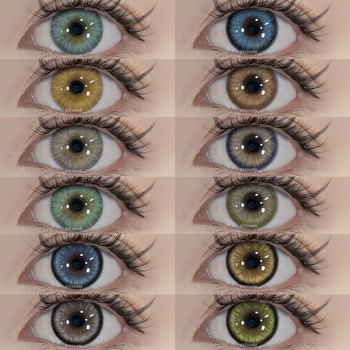
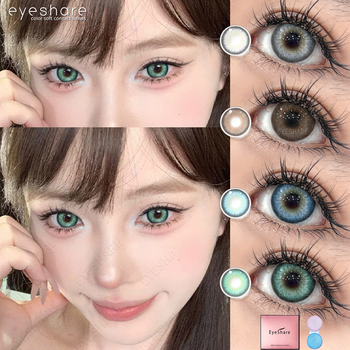
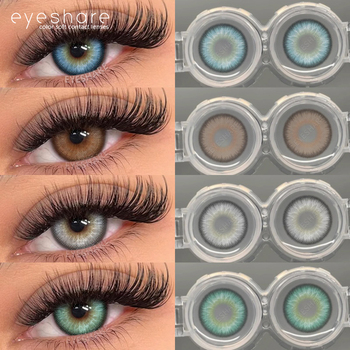
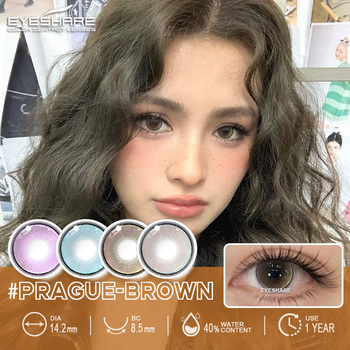
Building a successful private-label contact lens brand demands a manufacturer that bridges biomedical compliance, advanced polymer synthesis, and hyper-responsive B2B fulfillment. Discover our institutional capabilities.
Our manufacturing complex has passed rigorous onsite physical audits by SGS Group. From cleanroom air pressure cascades to automated autoclave sterilization records, our entire workflow is audited and validated for cross-border medical device compliance.
We eliminate corneal pigment exposure using micro-encapsulation sandwich technology. Organic color pigments are locked immutably between two inert HEMA/hydrogel protective layers, ensuring zero pigment migration and superior ocular safety.
Complete turnkey private labeling: custom outer carton engineering, blister vs vial packaging, multi-lingual leaflet translation, barcoding, FDA/MHRA compliant label artwork creation, and bespoke pattern development from sample swatches.
Backed by over five certified optical polymer engineers—each possessing 5+ years of specialized ophthalmic synthesis experience—supported by a multilingual international trade desk of 24 dedicated client managers.
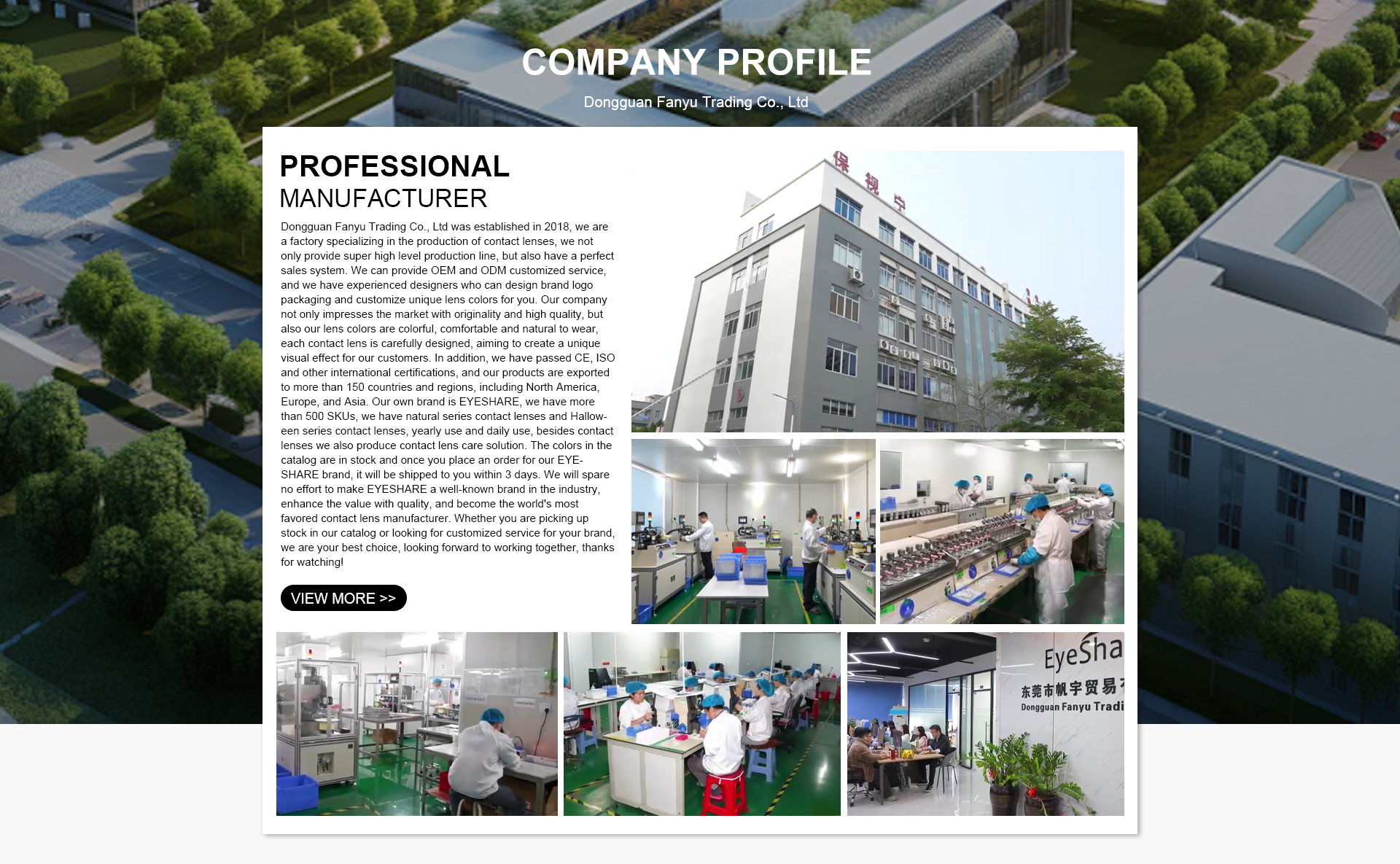
Production integrity determines end-user ocular health. Our factory houses high-precision computerized cast-molding lines operating under ISO 14644-1 certified Class 100,000 cleanroom environments. Automated optical scanners inspect 100% of manufactured edges for burrs, tear risks, and optical aberrations before wet-hydration equilibrium.
This automated rigor delivers batch-to-batch consistency with a defect tolerance of under 0.02%, providing private-label brand founders with peace of mind against customer returns and product liability exposure.
Get CatalogThe global contact lens landscape is undergoing radical structural transformations driven by heightened regulatory oversight, material science evolutions, and the convergence of medical optics with beauty retail. For optical retailers, e-commerce direct-to-consumer (D2C) brand owners, and wholesale importers, navigating this evolving ecosystem demands foresight and strategic alignment with compliant manufacturers.
While traditional 2-HEMA hydrogel dominates cosmetic markets due to its exceptional cost-efficiency and soft tactile comfort, market demand is accelerating toward high-oxygen silicone hydrogel formulations. Wholesalers are diversifying their SKUs to include breathable matrices that support 12-hour continuous wear without hypoxia, especially across European and North American retail channels.
Global regulators have clamped down on cosmetic lens oversight. The EU Medical Device Regulation (EU MDR 2017/745 Annex XVI) and the UK MHRA strictly govern zero-powered (plano) lenses as medical devices. Importers are abandoning gray-market workshops in favor of audited Chinese manufacturers that provide comprehensive Technical Documentation Files (TDF) and traceable batch numbers.
Hygiene-conscious consumers are pivoting decisively from annual replacement cycles to daily disposables (1-Day wear). This pivot alters procurement arithmetic: brand owners require automated blister-packaging lines capable of millions of units monthly, low per-unit packaging costs, and eco-friendly peelable foil seals.
Furthermore, omnichannel beauty brands are requiring shorter SKU lead times to react swiftly to viral TikTok and Instagram color trends. Fast prototyping—delivering custom multi-tone iris printing within 10 to 14 business days—is replacing traditional multi-month mold tooling, providing nimble brands with a massive competitive moat.
| Manufacturing Parameter | Cast-Molding (Our Factory Standard) | Conventional Lathe-Cutting | Procurement Strategic Impact |
|---|---|---|---|
| Surface Smoothness (Roughness Ra) | < 10 nm (Ultra-Smooth) | 50–120 nm (Tool marks visible) | Prevents protein deposit build-up, reduces giant papillary conjunctivitis. |
| Edge Profile Geometry | Patented Round Comfort Bevel | Chiseled / Knife Edge | Facilitates natural tear exchange and minimizes conjunctival irritation. |
| Batch-to-Batch Color Consistency | Digital Micropoint Synchronization (99.8%) | Manual Pad Printing (85–90%) | Eliminates consumer complaints regarding asymmetric left/right pupil shades. |
| Production Capacity & Lead Time | 50,000+ pairs / day per line | 500–1,000 pairs / day | Empowers seamless scaling during Halloween and festive peak seasons. |
| Unit Production Cost | Optimized for B2B Wholesale Margins | High labor and tooling overhead | Enables 400% to 700% retail markup potential for private label brands. |
A contact lens is an invasive ocular prosthesis and medical device that rests directly upon the corneal pre-corneal tear film. Engineering an elite private-label product requires balancing contradictory physical and biological parameters: optical clarity, refractive index stability, oxygen transmissibility, modulus (stiffness), and surface wettability.
Our formulation labs combine 2-Hydroxyethyl Methacrylate (HEMA) with N-Vinylpyrrolidone (NVP) to establish an optimal 38% to 42% water balance. This equilibrium prevents the lens from desiccating the patient’s natural tear film, making it ideally suited for extended wear in dry, air-conditioned corporate environments.
Conventional low-end lenses apply surface printing where pigments directly contact the corneal epithelium or tarsal conjunctiva. Our double-lamination cast method seals iron oxides, titanium dioxide, and phthalocyanine colorants within the hydrogel core matrix, ensuring that physical abrasion and multi-purpose cleaning solutions cannot leach color molecules.
With precisely calibrated base curves (BC 8.5mm and 8.6mm) and carefully balanced sag heights, our lenses deliver superior centration without binding. The lens shifts 0.2mm to 0.4mm during blinking, ensuring vital metabolic tear turnover beneath the optical zone without displacing the cosmetic pupil aperture.
Comprehensive answers addressing regulatory requirements, production lead times, minimum order quantities, and custom packaging logistics for optical buyers and brand managers worldwide.
Whether you are an established optical chain seeking to optimize gross margins, an e-commerce fast-fashion brand rolling out an exclusive color line, or an international cosmetic distributor looking for an audited, dependable supply chain partner—our team is primed to execute your vision with precision engineering and low risk.