Prosthetic & Display

Engineered for comfort, high oxygen transmissibility, and pigment sandwich safety. Explore standard stock designs and custom private label solutions.
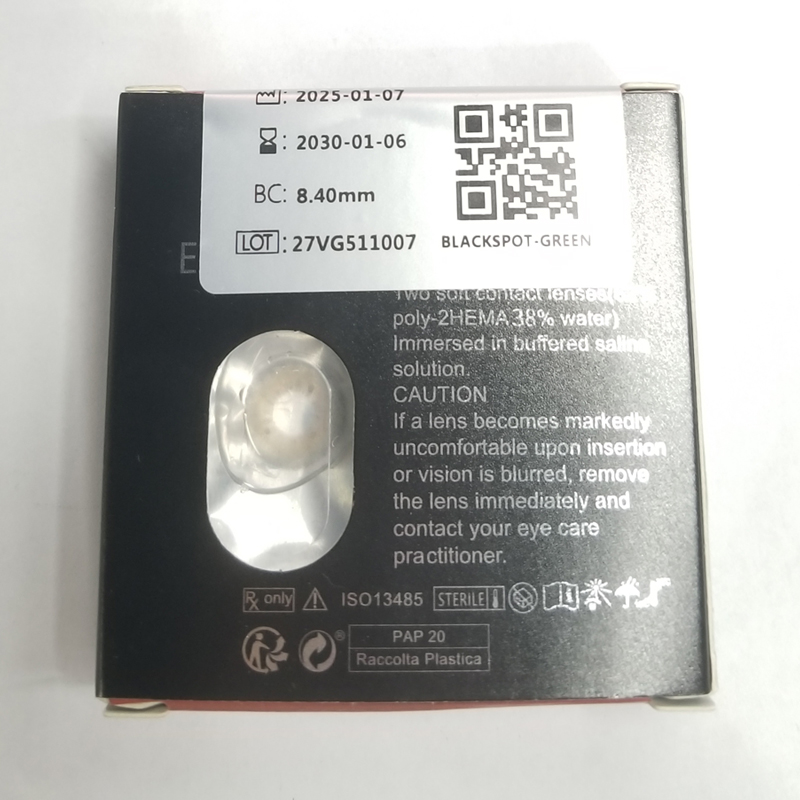
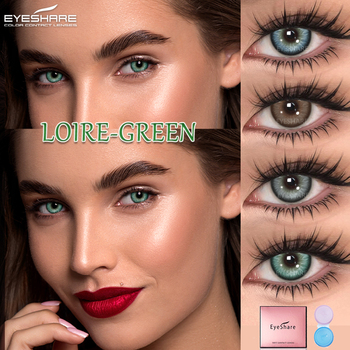
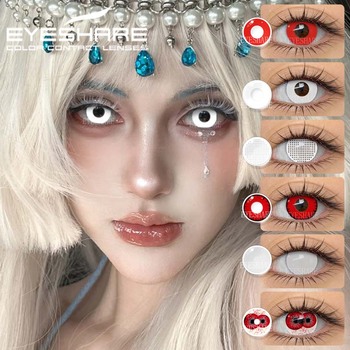
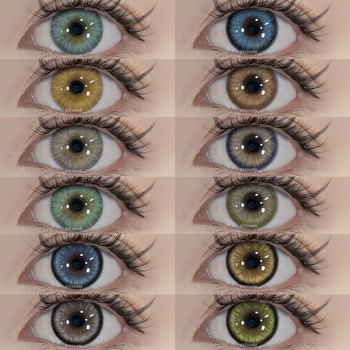
A comprehensive engineering and procurement overview for optical distributors, chain pharmacies, beauty brand aggregators, and private label importers.
In global medical device procurement, soft contact lenses occupy an intricate intersection of optometric biophysics, macromolecular chemistry, cosmetic formulation, and rigorous regional compliance. China has rapidly matured from a simple casting and molding hub into a sophisticated engineering ecosystem equipped with fully automated cast-molding cells, cleanroom Class 100,000 synthesis workshops, and high-speed blister packing automations. Sourcing from a premier Chinese factory no longer simply offers unit cost arbitrage; it provides international brand owners with unparalleled supply chain velocity, agility in colorway innovation, and robust OEM custom packaging capabilities.
However, importing contact lenses demands meticulous regulatory foresight. Whether fulfilling European Medical Device Regulation (MDR 2017/745), the UK Opticians Act 1989 / MHRA medical device statutory rules, or the US FDA 510(k) clearances, overseas buyers must scrutinize production methodologies, biomaterial formulation stability, pigment isolation integrity, and complete batch traceability. Shenzhen Eyesharelenses Co., Ltd serves as a prime example of an audited Chinese partner that bridges strict quality manufacturing protocols with bespoke commercial flexibility.
A vital variable determining user compliance and clinical ocular health is the lens matrix. Traditional cosmetic and corrective contact lenses rely predominantly on Poly-2-Hydroxyethyl Methacrylate (Poly-HEMA). Poly-HEMA remains a cornerstone material in decorative lens production because of its predictable thermal stability, ease of tint integration, wettability, and proven mechanical elasticity. Featuring an equilibrium water content (EWC) calibrated between 38% and 42%, Poly-HEMA lenses resist environmental dehydration, maintaining structural integrity across half-yearly and yearly wearing schedules.
Simultaneously, China's research laboratories are accelerating scalable production of Silicone Hydrogel (SiHy) composites. By incorporating fluorosilicone macromers, SiHy achieves Oxygen Permeability (Dk) ratings ranging from 80 to over 130 Barrers, far superseding the 8 to 15 Barrers typical of baseline hydrogels. This enables high-oxygen transmission (Dk/t), drastically mitigating corneal hypoxia during extended wearing regimens. For procurement teams, identifying target market lifecycles (daily disposables vs. long-duration costume lenses) dictates whether standard Poly-HEMA or advanced fluoro-siloxane polymers should be deployed in their contract manufacturing briefs.
In the colored and cosplay contact lens sector, patient safety hinges on colorant isolation. Inferior manufacturing approaches apply screen printing directly onto the posterior or anterior surfaces of the lens. Direct-printed lenses risk pigment elution, surface friction against the corneal epithelium or palpebral conjunctiva, micro-abrasions, and secondary bacterial keratitis. Tier-1 Chinese manufacturers utilize the advanced "Sandwich" Cast-Molding Technology.
In this precision process, organic and inorganic color pigments (such as iron oxides, titanium dioxide, and copper phthalocyanine) are precisely embedded between two distinct layers of non-cytotoxic hydrogel monomer. During subsequent polymerization, the matrix cross-links completely, hermetically sealing all color agents inside the core. The external surfaces remain glassy-smooth, preserving tear film dynamics and guaranteeing zero direct contact between pigment molecules and sensitive ocular tissue. Verifying this production mechanism via cross-sectional electron microscopy is standard due diligence for informed procurement directors.
How evolving consumer behaviors, regulatory stringency, and automated supply chains are reshaping contact lens wholesale across the next 3 to 5 years.
While half-yearly and yearly cosmetic lenses remain dominant in niche subcultures, costume sectors, and emerging economies due to cost efficiency, Tier-1 optical retail is shifting rapidly to daily disposable (1-Day) formats. Eliminating lens cases, storage solutions, and compliance lapses minimizes contamination risks while optimizing recurring customer lifetime value for DTC brands.
Global surveillance bodies (including FDA, MHRA, and NMPA) are cracking down on illicit gray-market distribution. In response, Chinese factories are expanding audit-ready technical document dossiers, CE certification protocols under MDR, and strict batch-record retention. Wholesale purchasers now prioritize factories capable of supplying direct regulatory file submissions.
The era of generic blister packaging has passed. Modern beauty labels demand customized secondary paperboard packaging with foil stamping, spot UV, integrated retail display structures, multilingual instructions for use (IFU), and individual serial barcoding. Chinese suppliers offering in-house design and low packaging MOQs deliver a distinct competitive edge.
Consumers seek cosmetic enhancements that appear authentic under high-resolution smartphone cameras. Trend patterns feature radial multi-tone layering, irregular limbal borders that naturally mimic human stroma, and subtle optical scattering. Computerized dot-matrix printing delivers nuanced, luminous color depths that avoid artificial flatness.
Engineered excellence backed by third-party factory verification, certified optical engineers, and structured quality assurance.
Our facility, legal structure, production capacity, and QA/QC management have been inspected and confirmed onsite by SGS Group. Overseas buyers obtain verifiable factory assessment reports, reducing remote procurement risk.
Supported by 5+ certified optical engineers, each with over 5 years of domain expertise, our development laboratory manages base curve optimization (BC 8.5–8.6mm), center thickness calibration, and customized refractive parameter synthesis.
Every finished batch undergoes rigorous diameter verification, edge-burr projection inspection, baseline curvature checks, and seal integrity testing. Complete lot-number tracing ensures transparent recall readiness and compliance peace of mind.
From low-MOQ test orders (stock ranges from 10–20 pairs; sampling from 2 pairs) to container-load retail programs, we support fast turnarounds. We provide turnkey OEM/ODM services, including box design, blister pack sealing, and localized leaflets.
Detailed, technical, and regulatory clarity addressing typical challenges encountered during overseas contact lens purchasing.
Partner directly with a verified China manufacturer. Gain immediate access to technical specification sheets, wholesale tier pricing, factory audit records, and our comprehensive design portfolio.