
High Optical Clarity
Retail Display
Modular
B2B Tier MOQ
View Model
Precision-engineered cast-molded cosmetic optics, optical displays, and brand-ready sterile systems manufactured under verified cleanroom oversight.
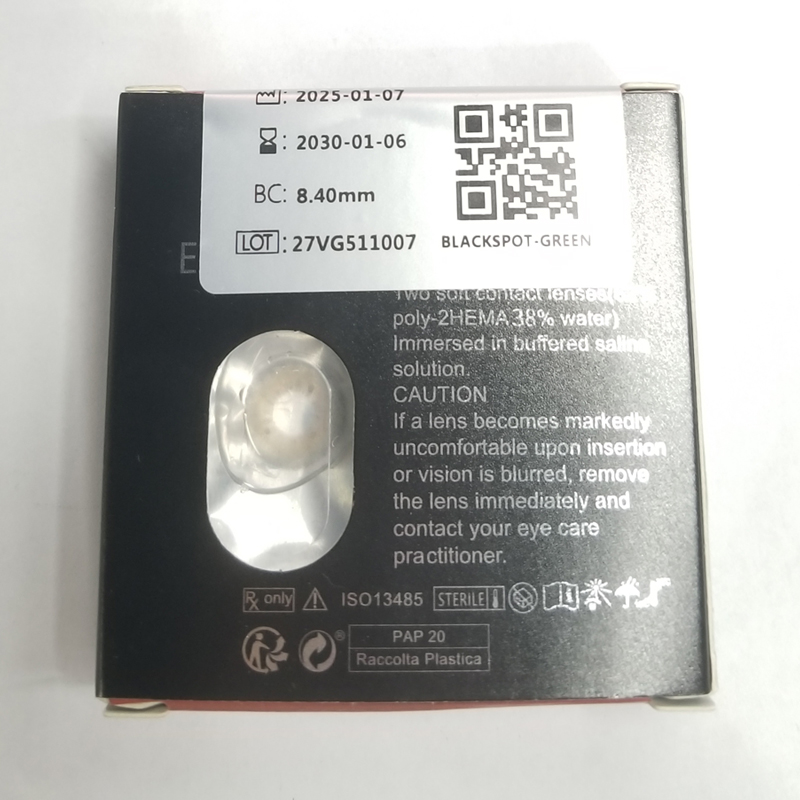
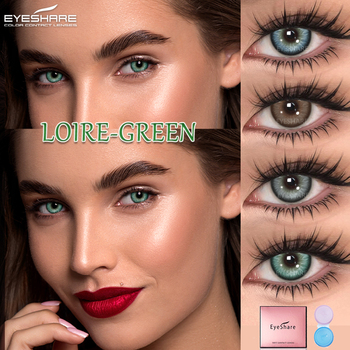
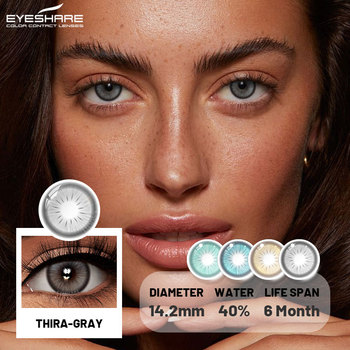
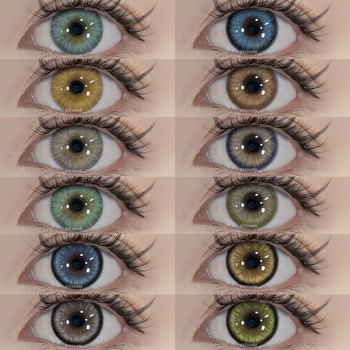
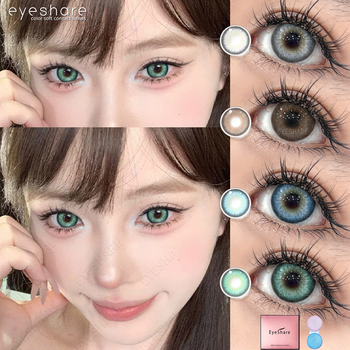
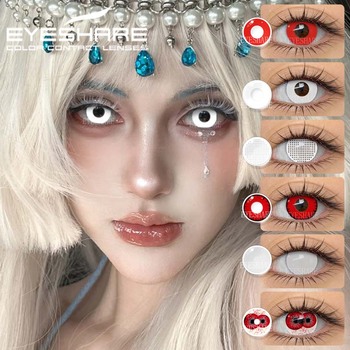
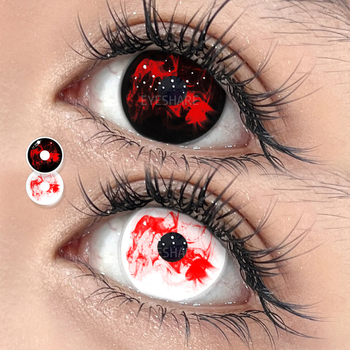
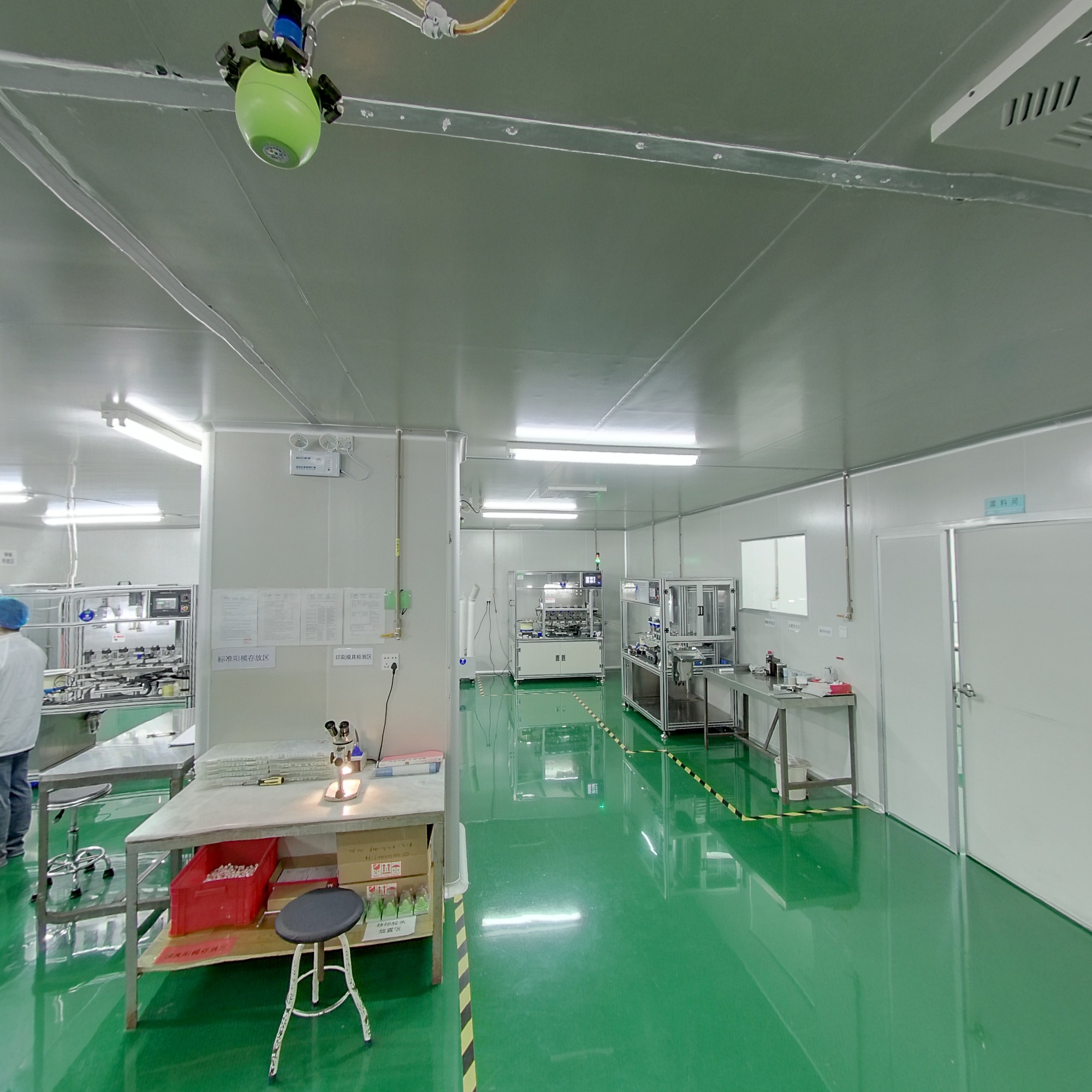
Contract manufacturing of soft colored contact lenses demands rigorous polymer engineering, cleanroom protocols, and automated optical validation. As an established China wholesale colored contact lens manufacturer, our manufacturing footprint is built around ISO-certified Class 100,000 cleanroom environments. Unlike non-regulated commodity assembly, our contact lens synthesis utilizes advanced high-precision cast-molding infrastructure paired with high-molecular Poly-HEMA (2-hydroxyethyl methacrylate) polymers.
Our proprietary embedded Three-Layer Sandwich Encapsulation Printing ensures that pigment granules—such as iron oxides, titanium dioxide, and phthalocyanine dyes—are completely enclosed within the optical polymer core. At no stage does raw cosmetic dye make direct contact with the wearer's corneal epithelium or bulbar conjunctiva. Every production batch undergoes automated edge-geometry profiling, optical power verification via computerized focimeters, and strict residual monomer leachability extraction testing in accordance with ISO 10993 biocompatibility requirements.
38% to 42% water balance prevents tear-film hyper-evaporation and mechanical friction, maintaining corneal health during prolonged wear.
Every blister and glass vial undergoes validated moist-heat steam autoclaving at 121°C, meeting medical sterility assurance levels (SAL 10⁻⁶).
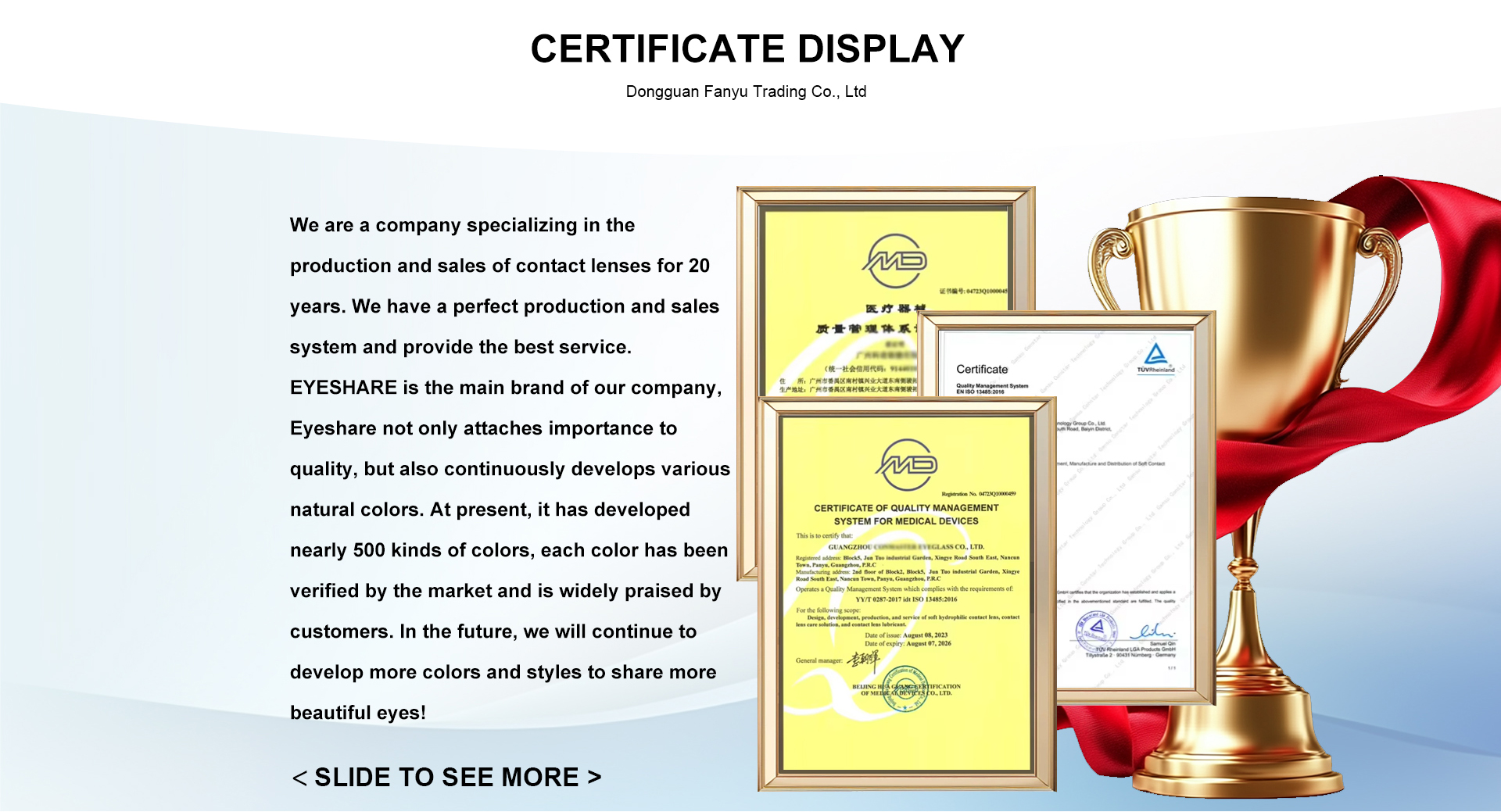
Complete traceability files, Technical Construction Files (TCF), SGS verification, and documentation aligned with international standards.
International B2B procurement of colored contact lenses is shifting from commoditized price competition toward strict regulatory compliance, technical supply-chain transparency, and advanced wear modalities. As regional medical regulatory authorities—including the US FDA, EU MDR 2017/745, and the UK MHRA—tighten standards on non-corrective zero-power cosmetic lenses, brand owners and distributors must build their sourcing around audit-tested manufacturing partners.
Strategic purchasers are increasingly transitioning from legacy yearly vial formats to daily disposable (1-Day) and monthly replacement blister packaging. High-turnover daily disposables minimize bacterial biofilm accumulation, reduce contact lens-induced acute red eye (CLARE), and drive higher recurring order frequency across retail and e-commerce channels.
Modern wholesale programs also demand integrated product portfolios. Offering cosmetic lenses with precision refractive powers—from plano (0.00 D) to -8.00 D in 0.25 D increments—delivers higher retail basket value compared to purely non-corrective alternatives. By combining clinical refraction capabilities with cosmetic enhancement, wholesale buyers can tap into an expanding base of contact lens wearers seeking both vision correction and cosmetic styling.
The global contact lens industry is undergoing a steady transition from standard HEMA homopolymers to higher-performance composite hydrogels and Silicone-Hydrogel (Si-Hy) matrix technologies. Conventional HEMA materials rely on water content to transport dissolved oxygen to the cornea. However, higher water content can lead to dehydration over long wear periods, drawing moisture from the tear film.
In contrast, modern silicone-hydrogel materials integrate siloxane macromers to form an efficient fluoro-silicone oxygen network. This allows bulk oxygen diffusion through the polymer matrix independently of total hydration, achieving Dk/t values 3 to 4 times higher than standard hydrogels. This oxygen permeability helps prevent corneal hypoxia, limbal injection, and epithelial microcysts during extended wear.
Simultaneously, surface-modification technologies—such as internal wetting agents like polyvinylpyrrolidone (PVP) and hyaluronic acid (HA) infusion—help maintain a low wetting contact angle. This reduces lipid deposit formation and stabilizes the pre-lens tear film (PLTF), keeping lenses comfortable even in arid, air-conditioned work environments.
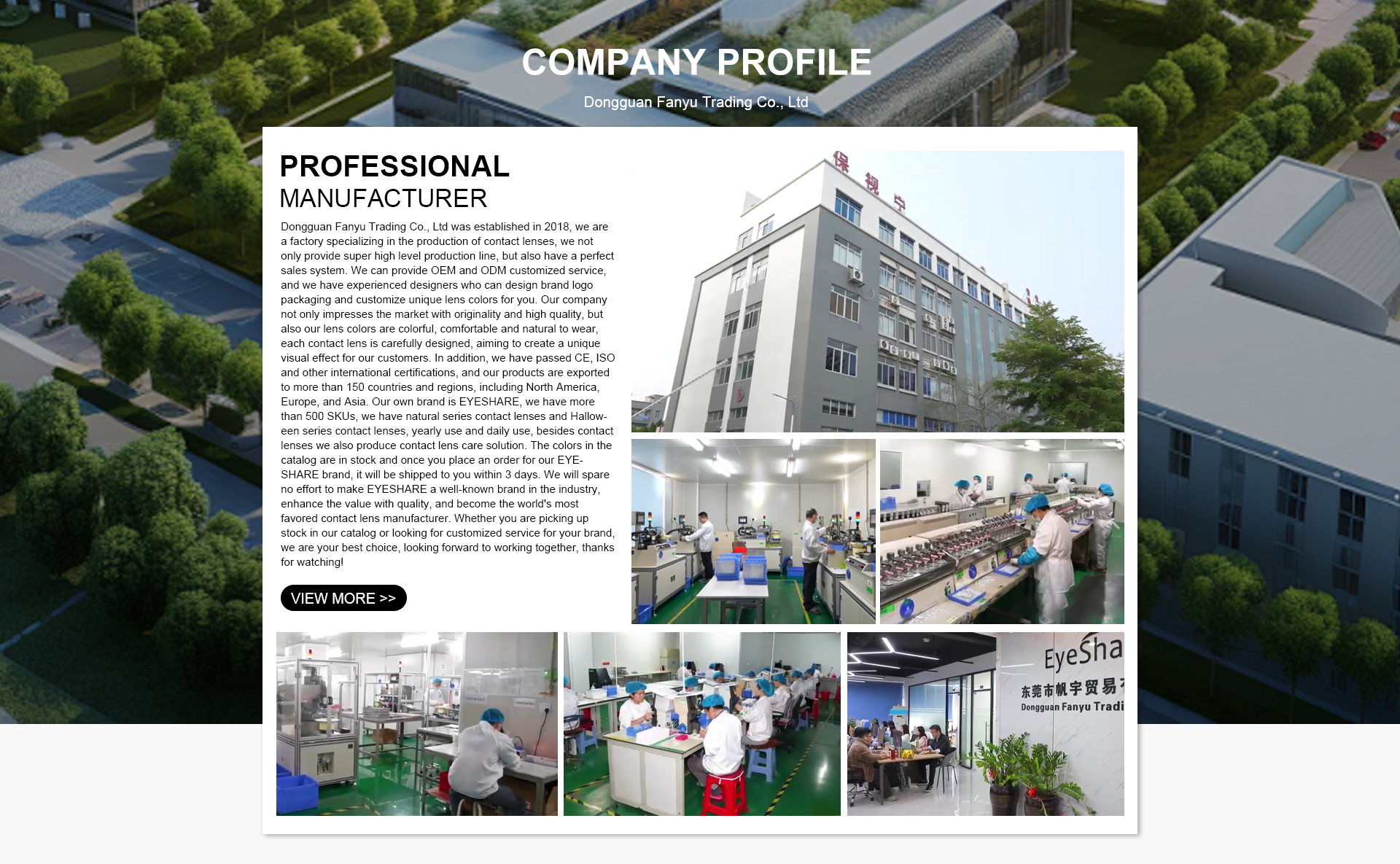
Direct-from-manufacturer benefits: dedicated optical laboratories, scalable cleanroom lines, and certified quality-management standards.
Our production facilities, testing laboratories, cleanroom controls, and corporate credentials have been inspected on-site by SGS Group, verifying authentic operational capacity.
Staffed by 5+ specialized optical engineers, our R&D department develops custom three-tone, limbal-ring, and opaque printing patterns with consistent batch-to-batch alignment.
From primary polypropylene blister seal design and automated saline packaging to English IFUs, multi-language labeling, and display cartons, we deliver shelf-ready private brands.
Clear, practical answers to common technical, legal, and operational questions from global contact lens distributors.
Connect with our technical trade team for a complete product catalog, full batch test reports, sample kits, and OEM/ODM private-label quotes.
Send an Inquiry