B2B Procurement Whitepaper & ODM Hub

China Wholesale Colored Contact Lens ODM Manufacturer & Suppliers

Pioneering automated cast-molding, full-matrix private labeling, and compliant medical optical exports for global ophthalmology brands and high-growth beauty distributors.

Curated Inventory

High-Velocity Wholesale Contact Lenses & Packaging Lines

Engineered for instant market deployment. Tested with strict biocompatibility parameters, consistent 38% hydration, and superior dot-matrix color layering.

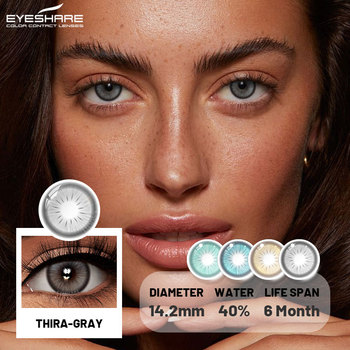
Flagship Product European Style Big Size Natural Blue Grey Lenses

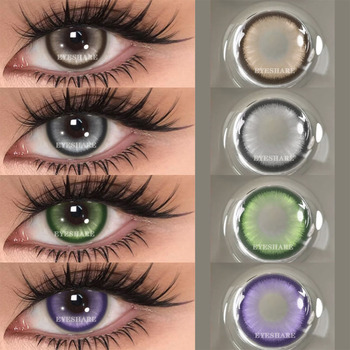
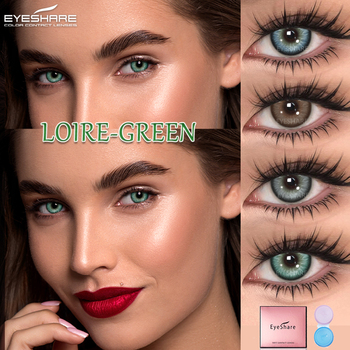
European Style Natural Blue Grey Lenses

HEMA Soft Plano / Myopia 14.2 mm - 14.5 mm
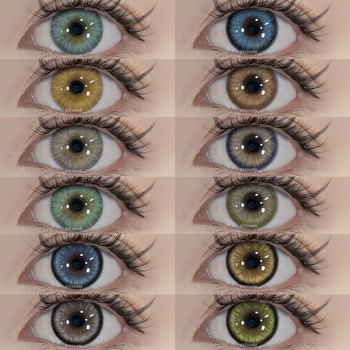
Multi-Tone Series Three Tone Soft Coloured Contact Lenses

High-Gradient Three-Tone Soft Lens Series

BC 8.5 mm Natural Iris Blend 38% Water
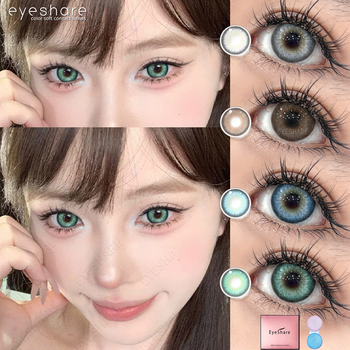
CE Certified CE Certified Natural Three Tone HEMA Contact Lenses

Clinical Grade Natural Three-Tone HEMA Lenses

ISO 13485 CE Standard Cast Molded
High Permeability High Oxygen Three-Tone 14.5mm Lenses

High Dk Oxygen Permeable Three-Tone Lenses

14.5 mm Half-Yearly Sandwich Print
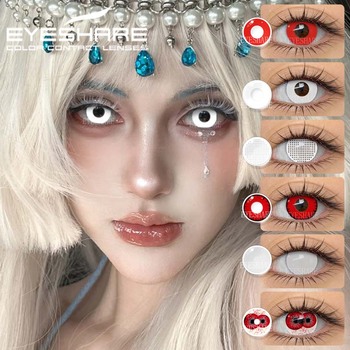
Cosplay / Sfx Halloween Crazy Red and Yellow Contact Lenses

Theatrical SFX High-Pigment Anime Crazy Lenses

Opaque Dye 100% Encapsulated Plano Wear
Enlarging Iris 14.5 mm Purple and Green Yearly Contact Lenses

Doll Eye 14.5mm Big Pupil Circle Lenses

Yearly Cycle Limbal Ring Vibrant Chroma
6+
Years Export Track Record
4.8/5
Global B2B Trust Score
100%
Finished Product Optical QC
5+
Optical Engineers (5+ Yrs Exp)
Industrial Authority

The Technical Dynamics of Global Colored Lens ODM Supply

Comprehensive regulatory, manufacturing, and polymer engineering insights for enterprise procurement officers and global optical retailers.

Medical-Grade Hydrogel Engineering and Color Interlayer Encapsulation

Procuring colored contact lenses requires strict differentiation between simple cosmetic accessories and Class II/Class III regulated medical devices. Hydroxyethyl methacrylate (HEMA) formulations and modern silicone-hydrogel polymers must balance surface wettability, elastic modulus, and oxygen transmissibility (Dk/t). Inferior manufacturing routes apply colorant pigments onto the posterior or anterior surfaces via direct transfer printing. Direct exposure of inorganic dyes to cornea tissues causes mechanical abrasion, cytotoxicity, and cellular hypoxia.

Premium Chinese ODM manufacturing operations utilize proprietary full-sandwich micro-encapsulation casting. In this automated molding process, biocompatible pigments are suspended between two distinct, ultra-thin polymer layers. This ensures absolute physical separation between ocular tissue and reactive metal oxide colorants, completely mitigating dye leaching risks during prolonged wear. High-precision cast-molding machinery maintains a uniform base curve (BC 8.5 to 8.6 mm) and consistent edge-taper thickness, eliminating center-to-edge optical distortion.

Cross-Border Compliance Architecture: Navigating MHRA, MDR, and FDA Regulatory Frameworks

Global optical retail requires airtight regulatory validation. In the United Kingdom, cosmetic and plano zero-powered contact lenses are regulated under the Opticians Act 1989 and enforced via the Medicines and Healthcare products Regulatory Agency (MHRA). Products must be supplied through supervised optical workflows and carry valid UKCA markings or EU CE compliance paperwork backed by technical documentation.

International procurement teams require verified third-party assessment data, valid ISO 13485 quality management audit trails, biocompatibility dossiers (ISO 10993-5 cytotoxicity, ISO 10993-10 ocular irritation testing), and English-language Instructions for Use (IFU) leaflets. Sourcing directly from verified manufacturing facilities with on-site inspection protocols prevents costly port-of-entry impounds, customs clearance rejections, and legal brand liabilities.

Procurement Forecasting

Future Procurement Trends in Colored Contact Lenses

Anticipate shifts in consumer behavior, regulatory scrutiny, and supply chain logistics to safeguard wholesale margins over the next decade.

Transition Toward Daily Disposable (1-Day) Regimens

While yearly and half-yearly HEMA lenses remain lucrative for cost-conscious emerging markets, tier-1 western beauty retailers are shifting inventories toward single-use daily blisters. Daily disposables dramatically lower microbial keratitis incidences, eliminate accessory cleaning solutions, and drive recurring buyer repurchase frequencies.

Agile Custom Packaging and Micro-Batch Seasonal Drops

Global beauty brands are moving away from monolithic 50,000-unit minimum orders. Emerging brands demand agile supply chains capable of delivering custom-branded blister packaging and distinct retail cartons at 500-to-2,000 unit increments. This agility supports rapid Halloween collections, influencer seasonal drops, and dynamic trend tests.

Unified Digital Batch Traceability & E-Labeling

Traceability legislation requires end-to-end serialization across global borders. Progressive buyers prioritize suppliers capable of delivering GS1 DataMatrix 2D barcodes on primary packaging. This feature enables instant optical batch recall, sterility verification, and digital authentication for high-end retail chains.

R&D Evolution

Technological Development Trends in Optical Aesthetics

The convergence of ocular health metrics, AI dot-matrix rendering, and advanced biomaterials shaping the next generation of tinted lenses.

Silicone Hydrogel Material Maturation

Next-gen colored lenses combine the high Dk/t oxygen delivery of cross-linked silicone matrices with the wettability of classic HEMA. This development ensures sustained ocular comfort, reduced corneal redness, and extended wear times without dry eye symptoms.

Sub-Micron Laser Etching & AI Color Blending

Replacing traditional rotary pad printing, ultra-precise laser etching generates variable micro-dot gradients. Optical rendering algorithms analyze diverse human iris archetypes, enabling production of multi-tone lens patterns that look natural against dark brown eyes.

Integrated UV & HEV Blue Light Blocking

Class 1 and Class 2 integrated UV-absorptive monomers are increasingly co-polymerized directly into the hydrogel matrix. This offers certified defense against UVA, UVB, and harmful high-energy visible (HEV) screen blue light without sacrificing lens clarity or color warmth.

Anti-Biofouling Surface Treatments

Plasma oxidation and biomimetic phosphorylcholine (PC) surface functionalization create hydration shields that repel lipid depositions and protein build-up. These treatments maintain lens wettability, inhibit bacterial adhesion, and deliver all-day comfort for sensitive eyes.

Factory Competency

Enterprise Manufacturing Infrastructure & Quality Rigor

Shenzhen Eyesharelenses Co., Ltd is an established industrial force in soft contact lens manufacturing, operating certified cleanrooms, on-site testing laboratories, and end-to-end custom packaging lines.
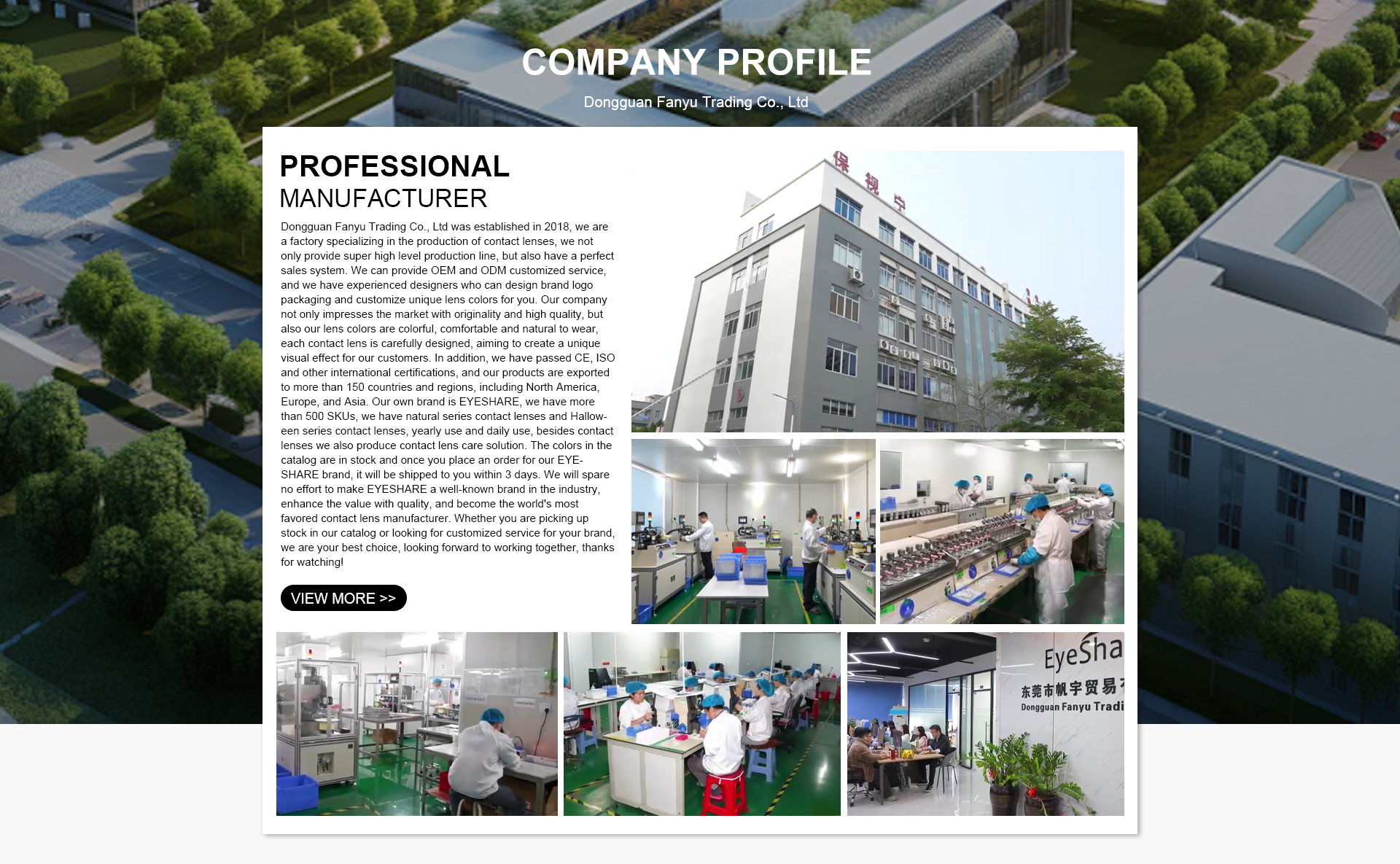
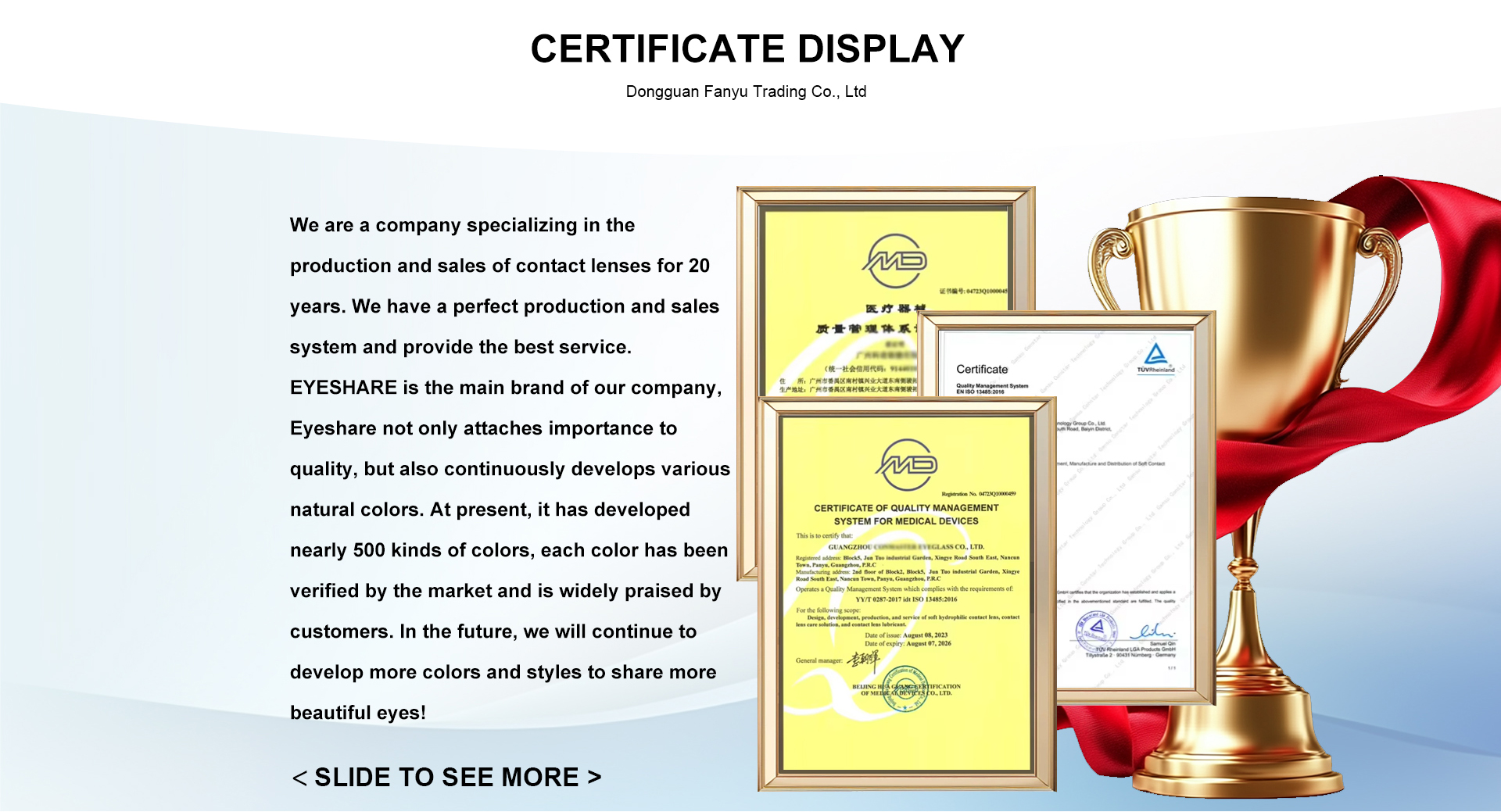
  • SGS Onsite Assessed Facility: Operations, corporate integrity, production limits, and traceability audited and verified by world-leading inspection agency SGS Group.
  • Precision Cast-Molding Technology: Fully automated cast-molding lines minimize human handling, maintaining sub-micron curve consistency across large-scale volume batches.
  • Total Optical QC Laboratory: Every single production lot undergoes rigorous projection inspections, base curve interferometry, diameter tolerance verification, and edge-contour safety tests.
  • Comprehensive OEM/ODM Turnkey Capability: Complete creative packaging design, custom blister sealing, sterile vial filling, English multi-language regulatory documentation, and custom POP retail display systems.
Inquire Now
Eyesharelenses Enterprise Facility Overview
Automated Cleanroom Lens Production Line
Packaging, Inspection and Warehouse Dispatch
OEM ODM Private Label Support and Logistics
Procurement Knowledge Base

Frequently Asked Questions: Global Sourcing & Compliance

Real-world technical, legal, and operational guidance addressing core concerns of overseas procurement directors and optical distributors.

Can cosmetic colored contact lenses be imported and sold in the UK without an optometrist?
No. Under the UK Opticians Act 1989, all contact lenses—including zero-powered (plano) cosmetic, fashion, and Halloween cosplay lenses—are legally classified as medical devices. They must be supplied by or under the direct supervision of a GOC-registered optometrist, dispensing optician, or registered medical practitioner. We supply UK optical chains, authorized distributors, and brands operating strictly within this regulated framework.
What is the typical Minimum Order Quantity (MOQ) for custom private label ODM projects?
For in-stock standard models and existing color runs, our wholesale MOQ starts at 10 to 20 pairs per SKU, with sampling available from 2 pairs. For full custom private-label ODM projects—which include custom box printing, branded blister foil sealing, custom base curve/diameter runs, or unique client-provided iris colorway designs—MOQs typically range from 500 to 1,000 units per artwork SKU.
How is sandwich color encapsulation technically validated against dye leakage?
Our products undergo friction rub testing, thermal extraction assays, and spectrophotometric elution analyses in saline solutions to ensure no pigment molecules leach through the hydrogel matrix. Microscopic cross-sections verify that pigment granules are completely encapsulated within the interior HEMA layers, preventing any direct contact with the wearer's cornea or palpebral conjunctiva.
What regulatory documentation is included with wholesale orders for customs clearance?
Every shipment includes a comprehensive documentation dossier: Commercial Invoice, Packing List, Certificate of Analysis (COA) per batch, Sterility Assurance Certificates, ISO 13485 declarations, and CE conformity reports where applicable. We can also provide technical construction files, material safety data sheets (MSDS), and English IFU leaflets required for import entry checks.
What are the standard technical specifications of your wholesale HEMA lenses?
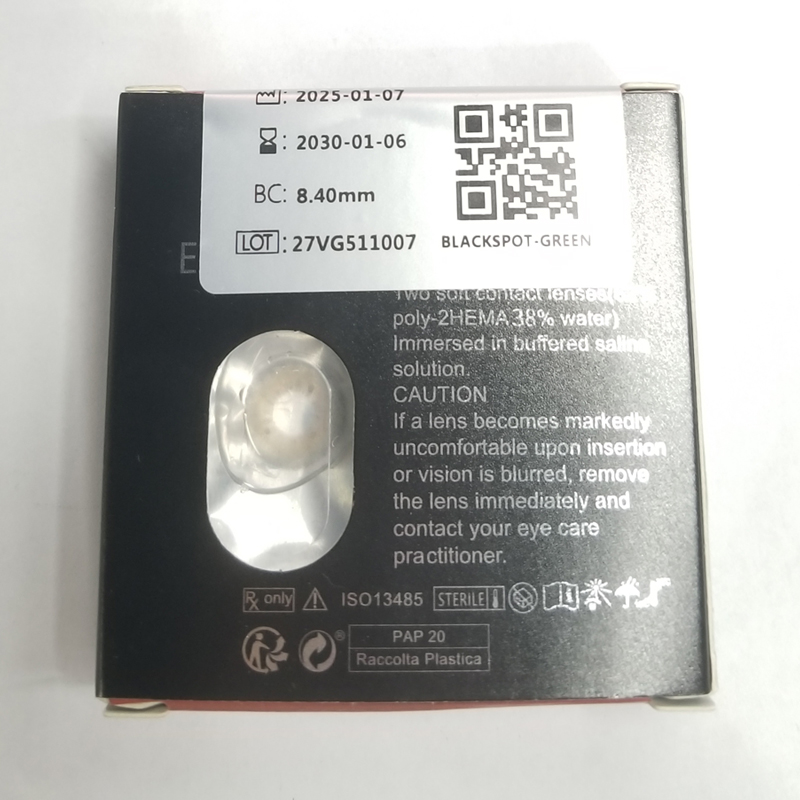
Standard specifications feature soft HEMA (poly-2-hydroxyethyl methacrylate) hydrogel with an optimal water content of approximately 38% to minimize corneal dehydration. Available diameters range from 14.0 mm, 14.2 mm, to 14.5 mm (for expanding doll-eye effects), with base curves engineered at 8.5 mm or 8.6 mm. Center thickness is calibrated at 0.08 mm (at -3.00D) to maximize oxygen permeability (Dk/t) across daily, monthly, half-yearly, and yearly replacement cycles.
What is the recommended ordering timeline for high-volume Halloween or festive cycles?
To capitalize on peak October Halloween, anime convention, or festive retail demand, procurement confirmations must be locked in between June and mid-August. This timeline provides sufficient runway for high-volume cleanroom production, automated packaging, autoclave sterilization, batch QC release, and international air or ocean logistics ahead of holiday distribution cutoffs.

Scale Your Contact Lens Brand with a Proven ODM Partner

Connect with our technical optical trade team today to request a factory-direct product catalog, evaluate physical on-eye samples, and review our compliance certification packages.

Inquire Now