Engineered for High-Repeat Retail Performance
Select from clinical-grade HEMA materials, ultra-stable color pigments, and complete OEM packaging customization options with competitive factory-direct pricing.

Contact Lenses Display Shelf & Ocular Prosthesis System
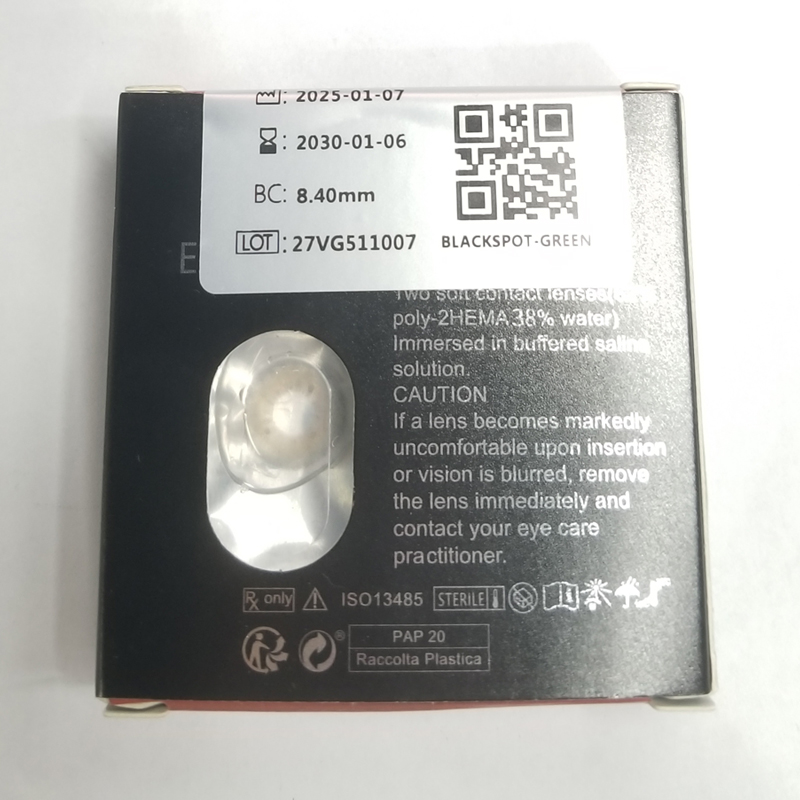
Custom Packaging Box & Paper Box Brand Finishing
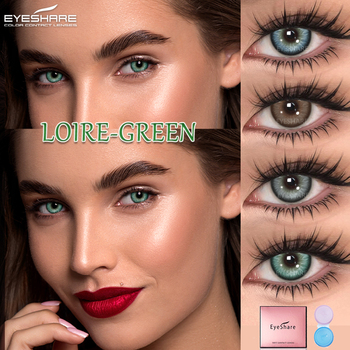
European Natural Style Blue-Grey Hydrophilic Lenses
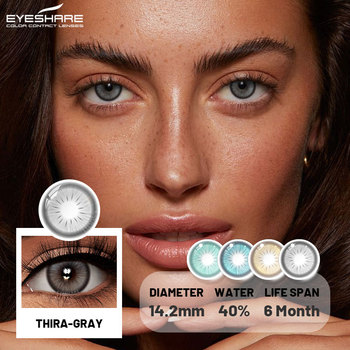
Precision Three-Tone Corrective Coloured Lenses
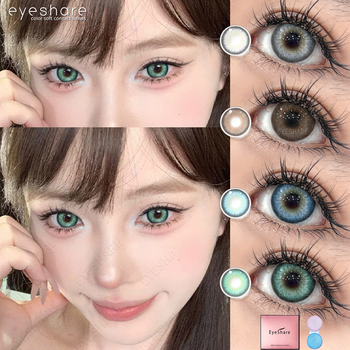
High Oxygen Transmissibility 14.5mm Natural Lenses
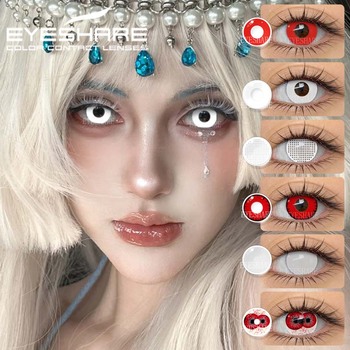
Special Effects Crazy Red-Yellow Halloween Series
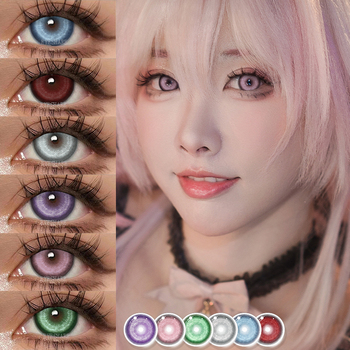
Full Pigment Block Sclera-Look Blackout Lenses
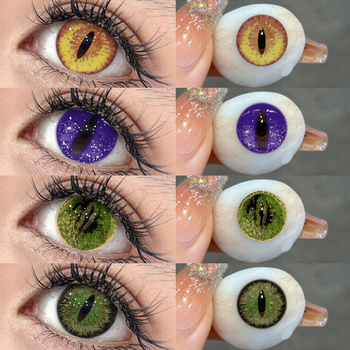
Weighted Pupil Cat-Eye Prismatic Yellow Lens
The Evolution of Colored Hydrogel Polymers: Manufacturing & Biomaterial Architecture
The manufacturing landscape of colored contact lenses has shifted fundamentally from basic aesthetic tinting to precision biomaterial engineering. Modern ocular prosthetics and cosmetic soft contact lenses must resolve a delicate physiological paradox: maximizing vibrant pigment density without inhibiting standard corneal oxygenation or creating surface shear stresses against the inner palpebral conjunctiva.
Historically, early cosmetic contact lenses utilized primitive surface printing or direct dye application techniques. These early methods exposed delicate epithelial cells directly to metal oxide pigments, occasionally leading to surface micro-abrasions, pigment leaching, and allergic hypersensitivity. In contrast, Shenzhen Eyesharelenses Co., Ltd implements advanced, double-encapsulated "Sandwich Printing" technology integrated into high-speed precision cast molding workflows.
Furthermore, our formulation achieves an equilibrium water content of ~38%, which represents the global golden ratio for half-yearly and yearly wear modalities. Unlike high-water hydrogels (which can desiccate the ocular surface over prolonged wear by pulling natural moisture from the pre-corneal tear layer), 38% water content polymers maintain exceptional dimensional stability, high tear resistance, and consistent base curve adherence (BC 8.5 mm - 8.6 mm) across volatile humidity levels.
Global Procurement Trends & Supply Chain Shifts (2025–2030)
Commercial buyers across North America, the UK, Europe, and Latin America are restructuring their sourcing paradigms to mitigate supply chain volatility and navigate escalating regulatory scrutiny. B2B procurement data identifies three dominant trends steering volume acquisition over the next five years:
Agile SKU Diversification with Low MOQ Barriers
E-commerce beauty brands no longer order single designs in 5,000-unit batches. The market demands curated, capsule collections spanning 20–30 shades (e.g., hazel-greens, soft graphite greys, and anime-inspired limbal rings) supported by agile MOQs starting as low as 10 to 20 pairs per SKU for factory sampling.
Demand for Turnkey Audit Readiness
In mature markets governed by strict statutory instruments (such as the UK Opticians Act 1989 and the EU Medical Device Regulation MDR 2017/745), retailers require full traceability. Wholesalers who cannot provide verified onsite assessment files, certified engineers' batch sheets, and standardized English IFUs face immediate customs refusal.
Hybrid Aesthetic-Cosmetic & Corrective Integration
The boundary between purely cosmetic lenses and ophthalmic medical correction is dissolving. Over 42% of global cosmetic inquiries now require dual-inventory support: zero-power plano lenses for fashion retail, alongside expanded dioptric powers (-1.00D to -8.00D) engineered on the identical color gradient matrix.
Future Engineering Paradigms: The Next Generation of Contact Lens Technology
Looking toward the next decade, market leadership will belong to manufacturers capable of integrating smart optical materials and dynamic iris optics. Three primary engineering vectors are currently active in our R&D pipelines:
1. Tunable Photochromic & Light-Filtering Matrices: Incorporating selective photochromic dyes that react reversibly to ultraviolet and high-energy visible (HEV) blue light. These lenses dynamically adjust light transmission while preserving rich, natural pupil pigmentation, combining ambient glare management with striking cosmetic depth.
2. Prismatic Axis Stabilization for Asymmetrical SFX: Historical cosplay lenses (such as vertical slit cat-eyes or segmented anime runes) were plagued by off-axis rotation during natural eye blinking. The upcoming generation of specialized SFX lenses implements dual-thin zone ballast and dynamic prism profiles, ensuring designs remain stabilized precisely at zero degrees throughout long-term wear.
3. Biocompatible Phosphorylcholine (PC) Coatings: By introducing biomimetic polymer coatings that simulate natural cell membranes, future lenses achieve drastically lowered bacterial adhesion and reduced lipid deposition, extending wear comfort even in arid, climate-controlled retail or convention environments.
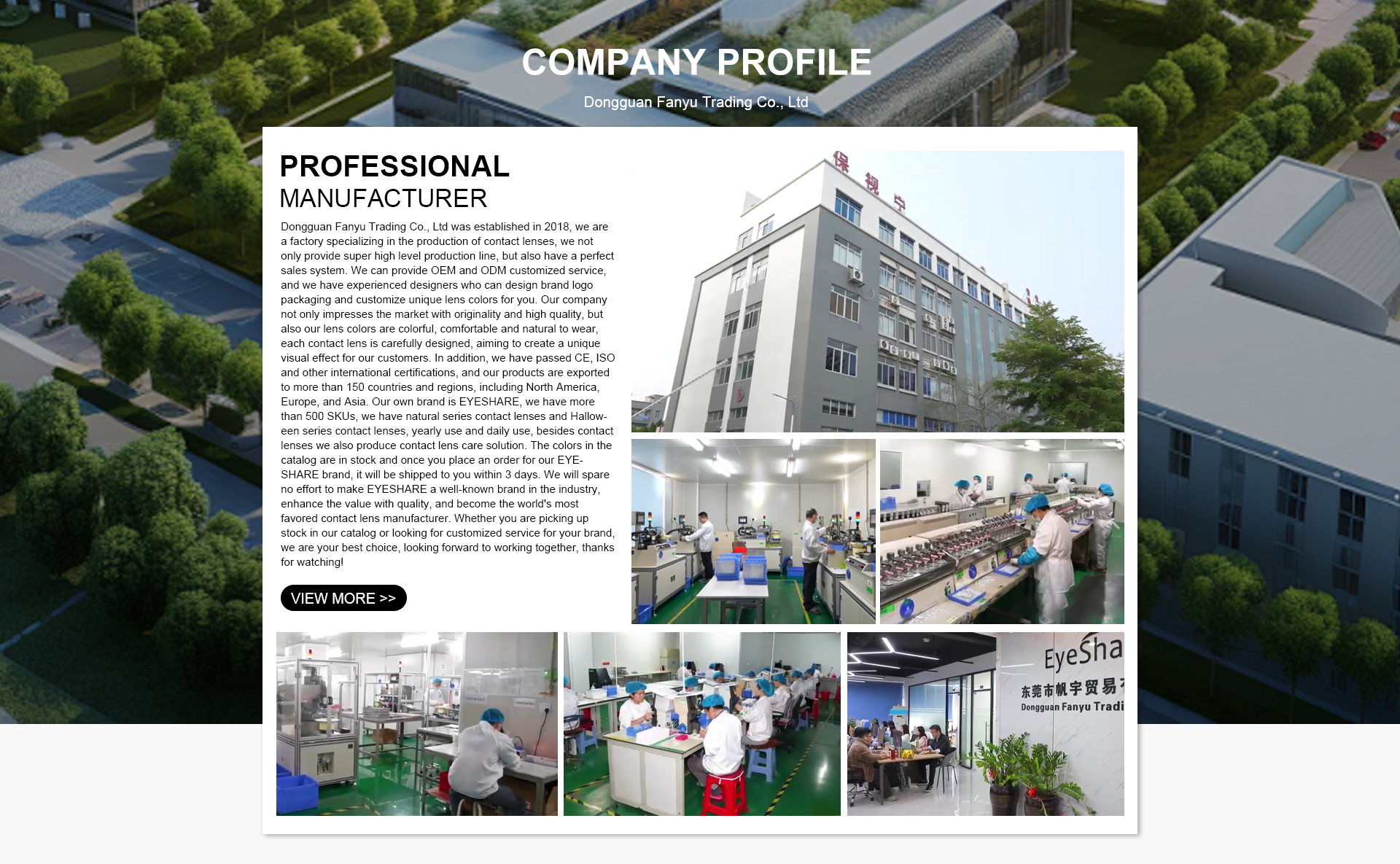

Verified Onsite: Fully audited testing, trade legitimacy, and production capacity by SGS Group.
Frequently Asked Procurement & Compliance Questions
Clear, direct answers regarding minimum order requirements, regional statutory frameworks, production lead times, and OEM specifications.
Can coloured contact lenses be distributed in regulated jurisdictions without professional oversight?
What are the standard Minimum Order Quantities (MOQs) for wholesale stock vs. private label OEM projects?
What biomaterial specifications and physical dimensions define your core product lines?
How is supplier manufacturing quality and batch consistency authenticated?
What is the recommended seasonal production timeline for Halloween, cosplay, and festival peak volumes?
Ready to Scale Your Contact Lens Product Portfolio?
Initiate direct communication with our commercial engineering team. Receive instantaneous access to full wholesale price sheets, custom packaging mockups, and regulatory compliance dossiers.
Contact Us