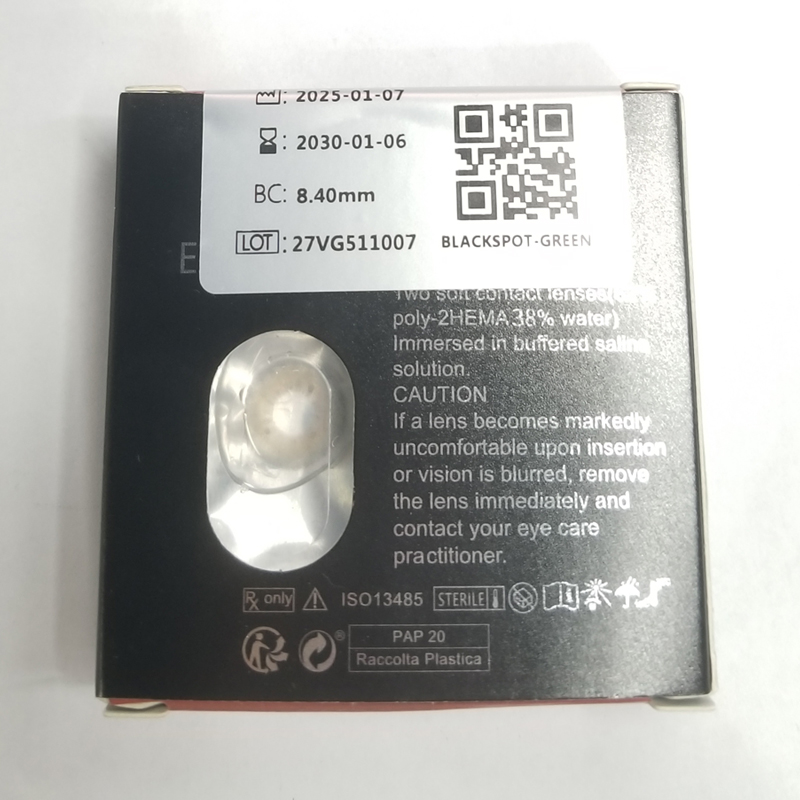
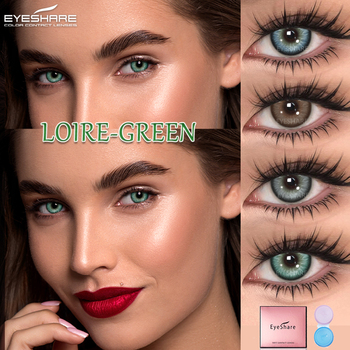
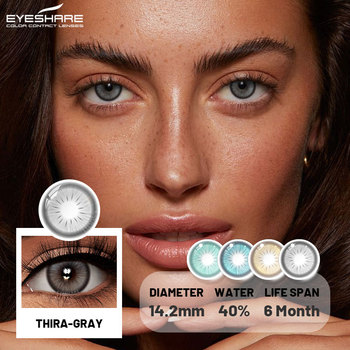
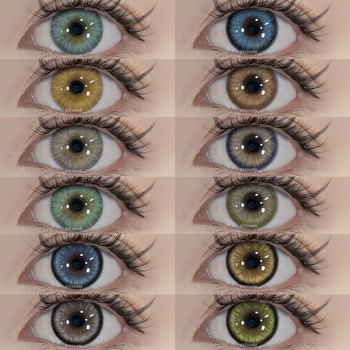
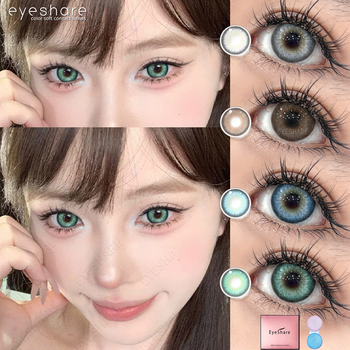
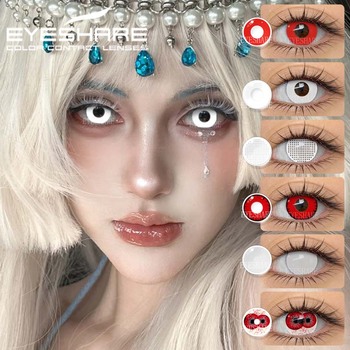
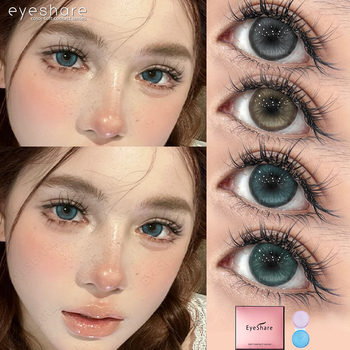
Engineered Precision, Class II/IIa Medical Device Compliance, and Turnkey Private-Label Manufacturing for Optical Chains, Cosmetic Importers, and Global Distributors.
Explore our export-certified soft contact lens formulations, fully customizable packaging configurations, and retail display assets designed for swift cross-border compliance.
The Global Contact Lens Manufacturing Landscape: Engineering, Biocompatibility, and Regulatory Standards
The manufacturing and international distribution of contact lenses represent one of the most rigorously supervised sectors in optical healthcare and aesthetic medical devices. Unlike generic consumer commodities, hydrogel and silicone-hydrogel lenses sit directly upon the precorneal tear film, interacting continuously with the corneal epithelium, limbal stem cells, and palpebral conjunctiva. For global optical brands, clinical procurement officers, and enterprise wholesalers, sourcing from a dedicated OEM partner requires deep due diligence into raw-material purity, automated polymer crosslinking, non-invasive pigment encapsulation, and multi-jurisdictional compliance.
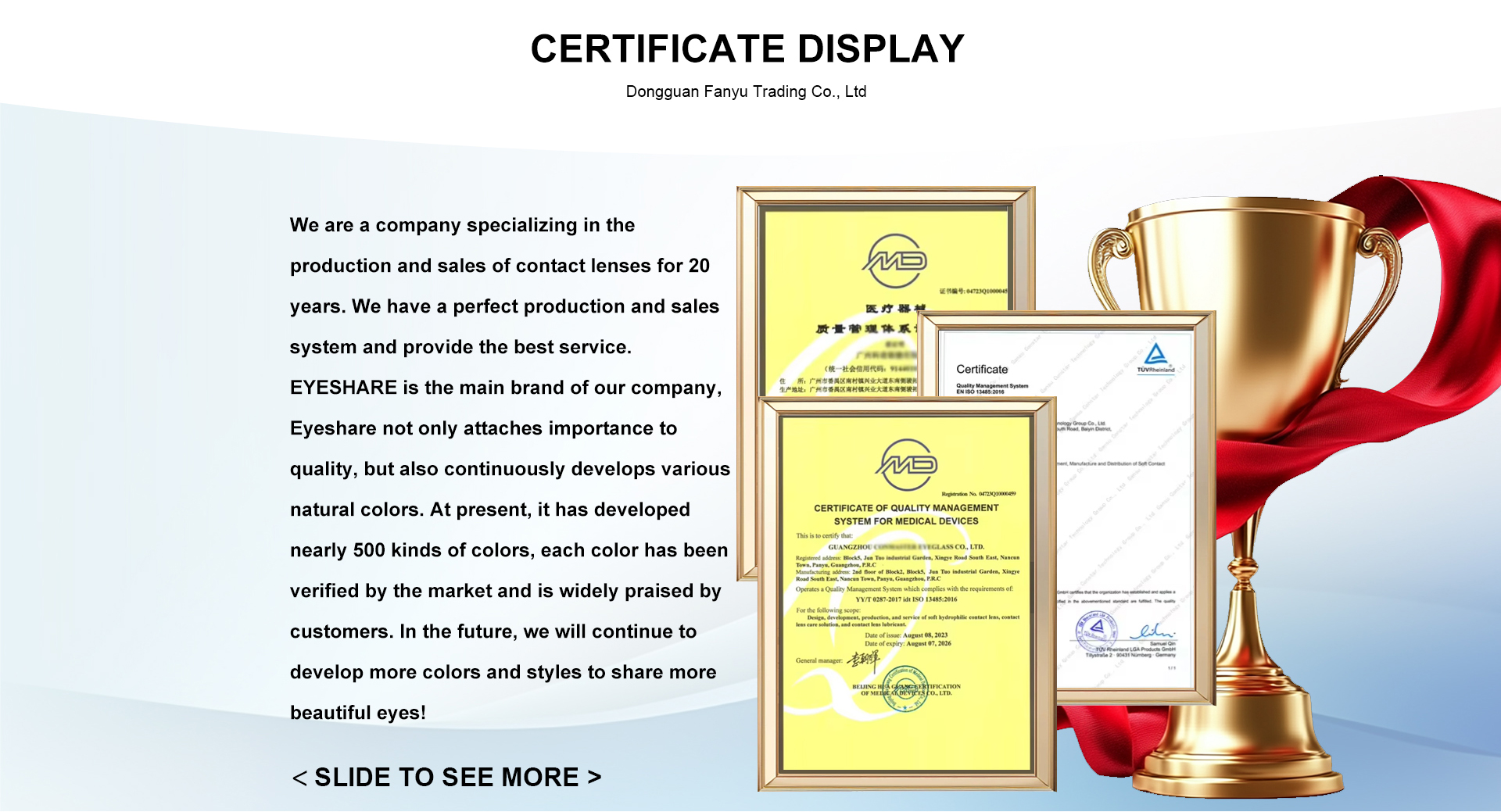
At Shenzhen Eyesharelenses Co., Ltd., our six-year export trajectory has been established upon strict biological safety baselines. Operating with onsite factory assessments verified by SGS Group, we bridge the technical gap between medical-grade cast molding and high-yield, aesthetic customized pattern printing. Whether serving UK opticians navigating the Opticians Act 1989 and MHRA transitional arrangements, or supplying cross-border brand incubators across North America and Southeast Asia, our manufacturing infrastructure delivers structural stability, batch consistency, and verified microbiological sterility.
1. Polymer Synthesis: Poly-HEMA vs. Next-Gen Silicone Hydrogels
The core determinant of ocular tolerance during long wear cycles is the formulation matrix of the contact lens polymer. Standard aesthetic lenses historically utilized 2-Hydroxyethyl methacrylate (p-HEMA) homopolymers. While highly flexible and stable, classical p-HEMA relies primarily on its interstitial water content (typically 38% to 42%) to facilitate passive oxygen transport via tear exchange.
Modern clinical OEM production demands optimized water-to-polymer balances. Maintaining a calibrated ~38% water content in soft HEMA prevents the lens from acting as a sponge that extracts moisture from the ocular surface, an issue frequently encountered in excessive 58%+ water formulations worn in dry environments. For premium private-label lines, our engineering group integrates hydrophilic co-monomers (such as N-vinylpyrrolidone, NVP, and Methacrylic acid, MAA) to enhance wettability, lower protein deposition rates, and improve tear film retention across full 8-to-12-hour wear durations.
A primary hazard identified in sub-standard cosmetic contact lenses is pigment leaching or surface-exposed printing, where heavy-metal inorganic colorants come into direct friction with the sensitive corneal epithelium. Our manufacturing pipeline enforces micro-encapsulated "Sandwich" or internal cast embedding:
Base Curvature Molding: The anterior optical layer is formed within high-precision optical steel molds via automated photopolymerization.
Bio-Pigment Pad Printing: Non-toxic, medical-grade colorants (titanium dioxide, iron oxides, phthalocyanine dyes) are printed precisely upon the intermediate layer, maintaining an unobstructed central optical zone (typically 3.8 mm to 5.5 mm) for visual acuity.
Polymer Sealing & Thermal Crosslinking: A protective outer film of pure biocompatible polymer is cast over the pigment matrix, hermetically locking all dyes inside the polymer crosslink structure. Clinical slit-lamp friction simulations confirm zero pigment migration and non-cytotoxic cell responses.
Global Sourcing Trends & Next-Generation Market Demands (2025–2030)
Procurement directors and venture-backed beauty brands must anticipate consumer demographic and regulatory shifts. Based on global import records and clinical consumption trends, four distinct vectors are reshaping the OEM contact lens supply chain:
The Shift to Daily Disposable (1-Day)
While yearly and half-yearly lenses retain robust market share in cosplay and budget retail, premium Western and Tier-1 Asian consumer markets are migrating towards single-use blisters. Daily disposables eliminate consumer compliance errors (cleaning solution contamination, improper case hygiene), substantially mitigating microbial keratitis risks.
Biomimetic Micro-Patterning
Cosmetic shoppers are shifting away from stark, unnatural, high-contrast block rings toward soft, multi-tonal, dot-matrix gradients that replicate human iris trabeculae. Incorporating subtle limbal fade rings allows standard 14.0 mm–14.2 mm lenses to achieve eye-enlarging aesthetic effects without creating mechanical limbal clearance issues.
Aesthetic Power Correction (Myopia + Plano)
Over 55% of cosmetic lens purchasers require refractive vision correction. Wholesalers stocking exclusively 0.00D (plano) lines leave significant retail revenue unrealized. Modern OEM procurement mandates integrated batch runs offering matched plano and diopter-corrected options (-1.00D through -8.00D in 0.25D/0.50D increments).
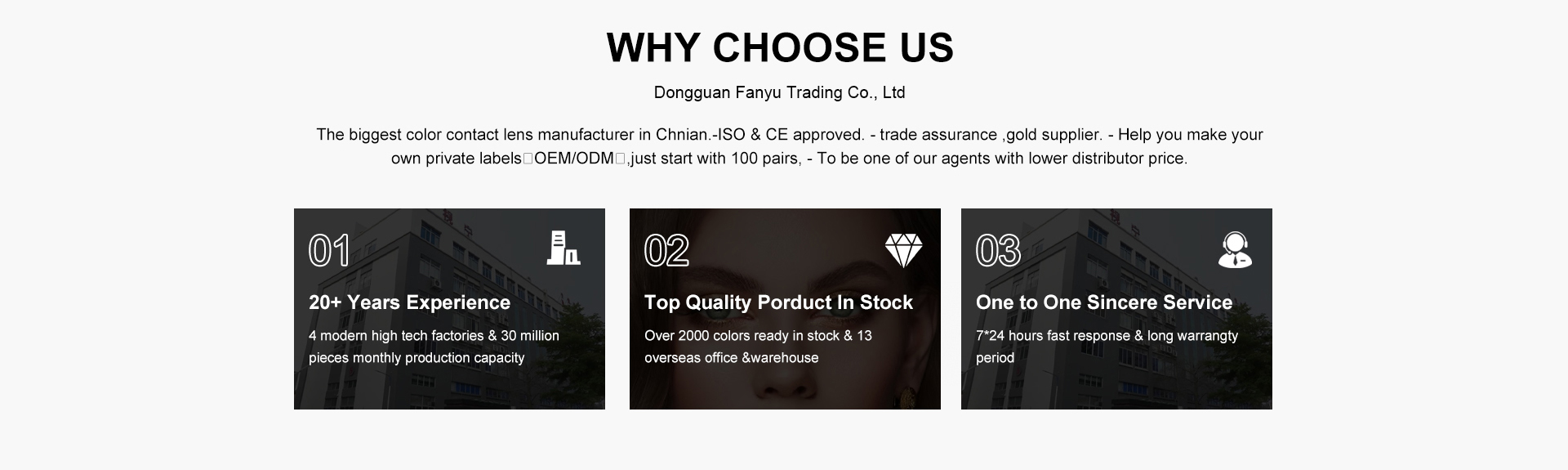
Selecting an OEM/ODM manufacturing partner demands verifiable operational scale, defensible quality-control checkpoints, and deep trade agility. As an assessed supplier verified on-site by SGS Group, we mitigate supply-chain vulnerabilities through transparent, documented processes:
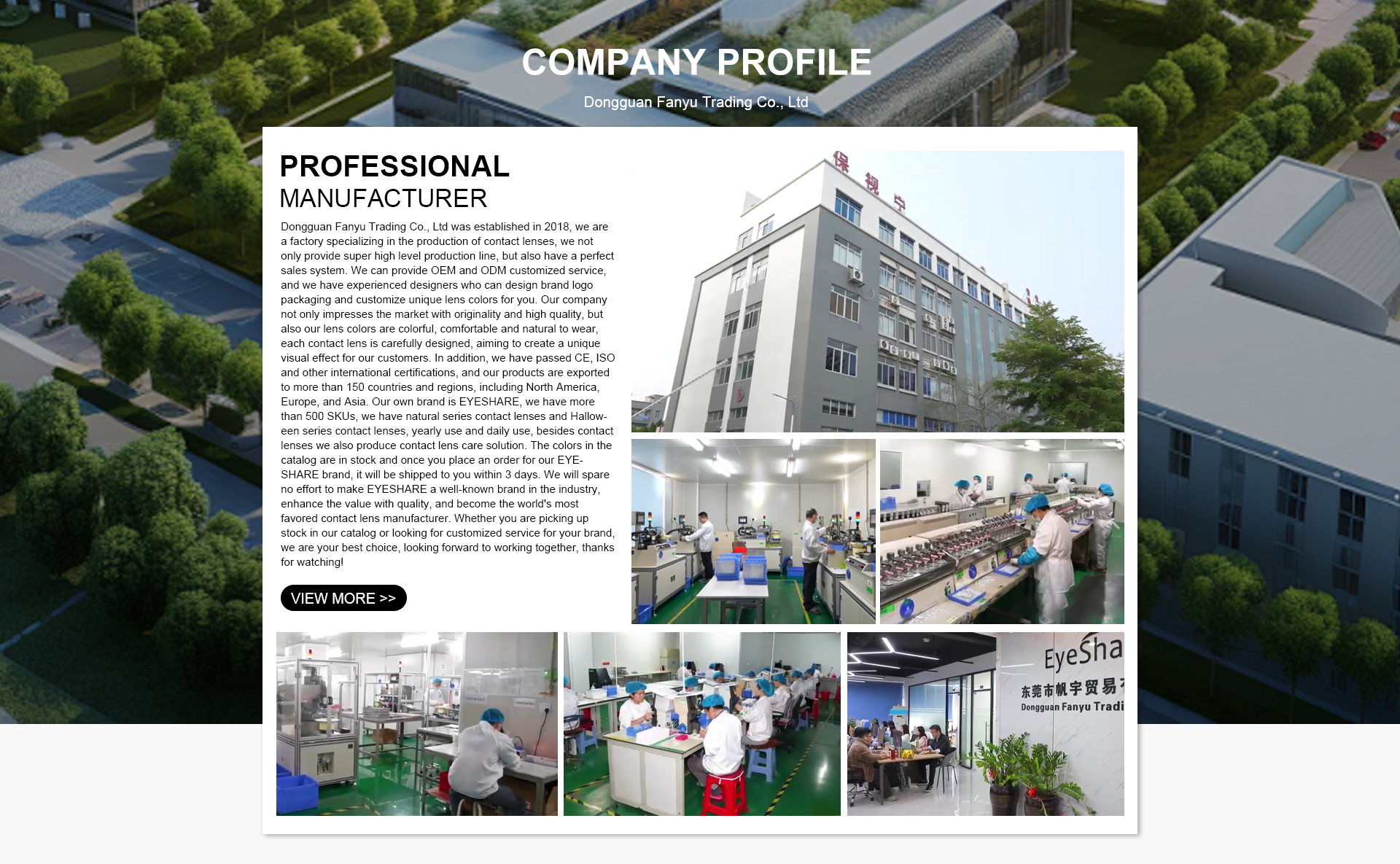
SGS Onsite Assessed Facilities
Physical plant conditions, mechanical asset ownership, corporate registration, and production capacities have undergone rigorous third-party audits. Inspection files and documentation are readily accessible for buyer verification files.
5+ Senior Optical Engineers
Our dedicated engineering department monitors polymer viscosity, mold shrinkage ratios, base-curve sphericity, and finished edge geometry. Each batch undergoes optical power verification and edge-tear resistance profiling.
Full OEM/ODM Packaging Agility
From initial brand conception to completed packaging, we deliver custom-branded boxes, medical-grade blister foil sealing, sterile glass vials, multi-lingual Instructions for Use (IFU), and point-of-sale display hardware tailored to your channels.
Procurement Knowledge Base
Frequently Asked Questions for Wholesale & OEM Sourcing
Critical regulatory, production, and shipping details compiled by our technical sales engineers for global optical buyers.
How do international medical device regulations affect importing cosmetic contact lenses?
Contact lenses—whether plano cosmetic, corrective, or theatrical cosplay—are classified as Class II (US FDA), Class IIa (EU MDR / UK MHRA), or equivalent medical devices in virtually every global jurisdiction. In the UK, the Opticians Act 1989 dictates that contact lenses must be supplied by or under the supervision of registered optical professionals. Distributors must hold appropriate medical device import registrations, maintain technical documentation files (including biocompatibility and sterility reports), and ensure labels comply with local language mandates and Medical Device Vigilance tracking. Shenzhen Eyesharelenses provides complete product technical sheets, certificates, and compliance dossiers to support institutional clearances.
What is the standard Minimum Order Quantity (MOQ) for custom private-label branding?
For in-stock catalog patterns, wholesale orders typically start from 10 to 50 pairs per color, supporting low-capital market trials and agile reorders. For custom-branded packaging (custom boxes, branded foil seals, localized IFUs), packaging MOQs typically begin at 500 to 1,000 units. For fully bespoke iris pattern development and dedicated cast molds, custom runs are quoted based on mold creation and polymer batch scales.
How is edge design optimized to prevent foreign-body sensation and epithelial chafing?
Poorly formed contact lenses typically fail at the junction of the peripheral edge. Our molds use a computer-calculated rounded bevel edge geometry. This structural profile promotes natural tear circulation beneath the lens during blinking, reduces mechanical friction against the delicate tarsal conjunctiva of the upper eyelid, and prevents localized hypoxic edge-seal against the limbus.
What are the standard lead times for custom production and peak-season planning?
Standard catalog wholesale dispatches occur within 3 to 7 business days. OEM private-label runs involving customized packaging, blister foil printing, and sterilization validation generally require 20 to 35 business days depending on order size. For the peak Halloween and retail holiday season (October), international buyers should finalize orders by late July to mid-August to account for ocean/air freight schedules and regional customs clearance.
What sterilization parameters and quality testing methodologies are utilized?
Finished products undergo high-pressure moist-heat steam autoclaving within validated cycles to ensure a Sterility Assurance Level (SAL) of 10^-6 without compromising polymer integrity. Physical inspection protocols cover optical power tolerances (via automated focalizers), base-curve and diameter verification (via optical comparators and sagittal depth gauges), water content equilibrium checks, and microbiological bioburden assessments.
Ready to Build or Expand Your Contact Lens Brand?
Connect directly with our engineering and export trade team. Access wholesale pricing tiers, technical compliance dossiers, custom packaging dielines, and physical evaluation samples.