Eight OEM/ODM Colored Contact Lens Products for Your Next Range
These eight products answer the most common commercial and presentation needs in a colored contact lens wholesale programme: retail display, custom paper-box packaging, natural three-tone lenses, high-oxygen 14.5 mm designs, myopia-friendly colour lenses, fashion blue styles and Halloween effects. Product links are preserved where available; where no product URL was supplied, the call to action opens the live inquiry channel.

Contact Lenses Display Shelf Contact Lens Prosthetic Eyes Glass Eye Ocular Prosthesis Lentilles De Contact De Couleur Display
A practical retail display and presentation fixture for optical counters, prosthetic eye demonstrations and coloured lens merchandising.
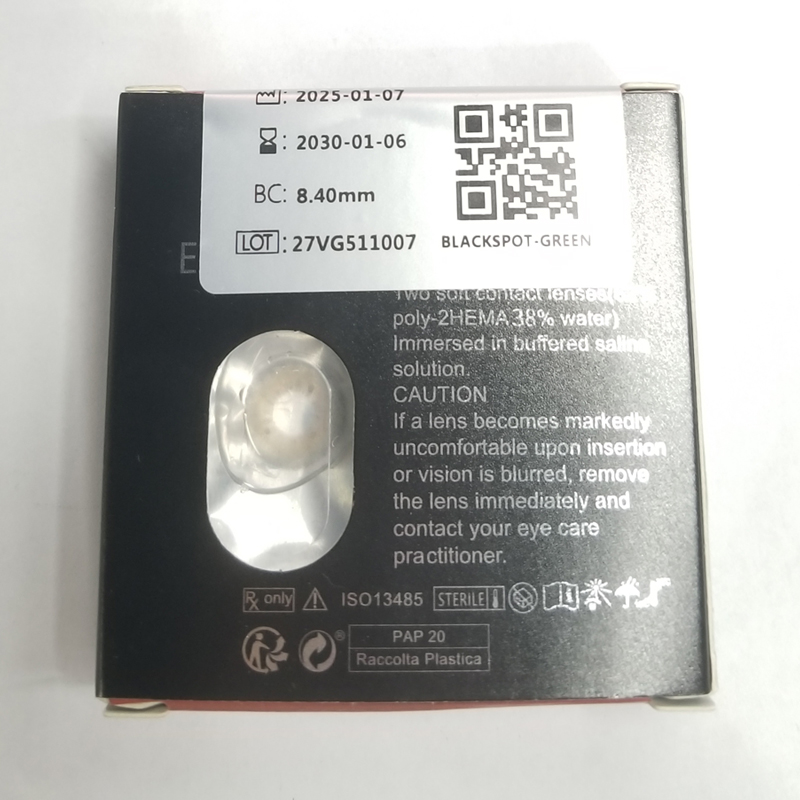
Eyeshare Wholesale Personal Brand Lentes De Contacto Paper Box Free Design Custom Eye Lens Packing Box Colored Contact Lenses
Custom branded packaging for private-label coloured lenses, supported by design mock-ups, English labelling and export-ready carton planning.
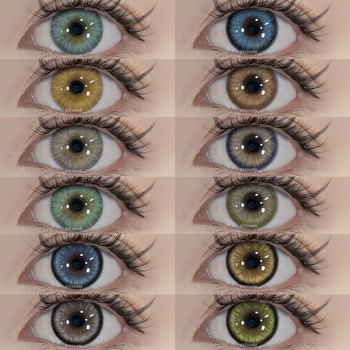
Natural Three-Tone CE HEMA Lenses
Everyday colour enhancement with a soft three-tone pattern, designed for optical retailers that need natural results and predictable reorder quality.
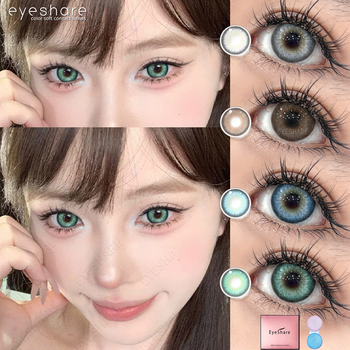
High-Oxygen Three-Tone 14.5 mm Lenses
A larger-diameter three-tone design for buyers targeting bigger-eye beauty trends while keeping the pattern wearable for daily fashion.
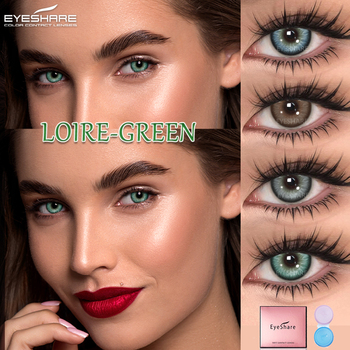
European Style Natural Blue Grey Lenses
Subtle blue-grey blending for buyers serving customers who want a polished, natural-looking colour change rather than costume effects.
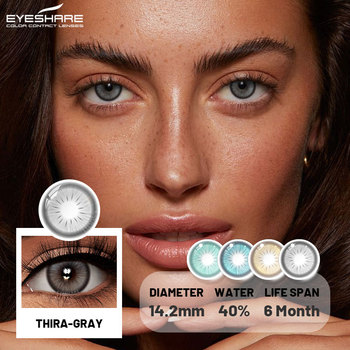
Three-Tone Soft Lenses for Myopia
Colour lenses with selected prescription powers, useful for opticians and distributors who want to combine fashion colour with vision correction.
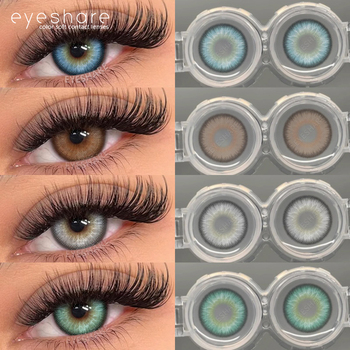
Fashion Blue Half-Yearly Lenses
A brighter blue fashion lens for social media, party and beauty channels, balanced with a wearable pattern for repeat retail sales.
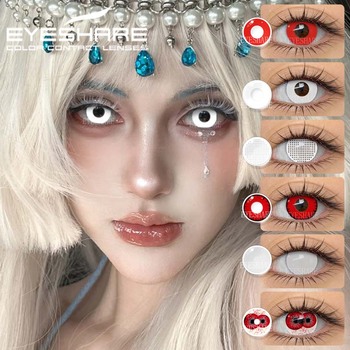
Halloween Crazy Red & Yellow Cosplay Lenses
High-impact crazy eye designs for costume retailers, convention sellers and seasonal promotional collections.
From Search Intent to Purchase Order: What “OEM/ODM Colored Contact Lenses Wholesale Supplier” Really Means
The search phrase “OEM/ODM colored contact lenses wholesale supplier manufacturers & exporter” combines several buying intents. One visitor may be a private-label founder looking for a factory that can make a unique lens pattern. Another may be an optical distributor checking MOQ, certificates and lead times. A third may be a beauty retailer sourcing stock colours for immediate resale, while a fourth may be a cosplay wholesaler preparing Halloween inventory. A useful supplier page must answer all four intents without confusing stock wholesale products with true custom manufacturing.
A genuine OEM/ODM colored contact lens manufacturer should be able to explain the material, lens geometry, colour pattern approval process, packaging format, labelling requirements, batch traceability and market-access documentation. This is where information gain matters: it is not enough to repeat “low MOQ” and “factory price.” Buyers need to understand why a low MOQ sample does not remove the need for on-eye approval, why water content alone does not guarantee comfort, why colour should be checked in daylight as well as studio lighting, and why packaging artwork must match the regulatory claims for the destination market.
Coloured contact lenses are regulated medical devices in many markets. In the United Kingdom, cosmetic or zero-powered lenses still sit within the Opticians Act 1989 and MHRA framework, and sale must generally be by or under the supervision of a GOC-registered optometrist, dispensing optician or registered medical practitioner. A responsible manufacturer or exporter should therefore support buyers with product technical information, English instructions for use, test reports, certificates where applicable, manufacturing details and reorder consistency records. Always verify current requirements with your own regulatory adviser for the specific market where you sell.
For procurement teams, the strongest supplier relationship is built around evidence. Ask for on-eye samples, check the lens edge and pattern against the approved reference, confirm the replacement cycle and power range, and request documentation before committing to a seasonal programme. Eyeshare Lenses works with wholesale buyers that value this process because it reduces returns, protects brand reputation and makes repeat orders easier to plan.
Wholesale buyer checklist
- Stock colours versus fully custom OEM patterns
- MOQ, sample cost and reorder tolerance
- HEMA material, water content, diameter and base curve
- Custom box, vial, blister and English IFU support
- SGS assessment, QC records and test reports
- Halloween and Christmas cut-off dates
Why Wholesale Buyers Shortlist Eyeshare Lenses
Shenzhen Eyesharelenses Co., Ltd has supplied soft coloured contact lenses to international wholesale buyers for six years. The company focuses on one category, so the trade team understands the details that determine whether a lens range sells consistently: pattern accuracy, edge blending, HEMA comfort, packaging quality, English labelling and realistic seasonal lead times.
SGS Onsite Assessed
Premises, legal status and capabilities have been assessed onsite by SGS Group, giving buyers an independent starting point for supplier due diligence.
6+ Years Exporting
Verified trade history, a 4.8/5 buyer rating and a dedicated export process for distributors, retailers and private-label brands.
Soft HEMA Lenses
Most models use soft HEMA materials with around 38% water content, 14.0 mm, 14.2 mm or 14.5 mm diameters and base curves around 8.5 to 8.6 mm.
OEM/ODM Customisation
Full, design-based and sample-based customisation for patterns, logo printing, paper boxes, vials, blister packs and English-language leaflets.
Finished Product Inspection
Dedicated testing instruments and certified engineers support appearance, diameter, base curve and finished-product checks before shipment.
Low MOQ Sampling
Stock colours are typically 10 to 20 pairs per design, with selected models available from 2 pairs for sampling. Custom projects are quoted individually.
Season-Ready Lead Times
Halloween and festival ranges can be planned around sample approval, bulk production, inspection, air freight and destination customs clearance.
Dedicated Trade Team
A 32-person operation with a 24-person trade team and 5+ certified engineers, each with more than five years of category expertise.
Colored Contact Lens Wholesale Procurement Trends for 2025–2030
Wholesale buying is moving away from one-off price comparisons and toward documented, repeatable supply. The strongest importers will not simply ask “what is your lowest price?” They will ask how quickly a new colour can be approved, how a seasonal drop is protected against stock-outs and how each SKU can be supported with the right documents.
Compliance-first sourcing
Buyers increasingly filter suppliers by documentation quality before discussing price. Certificates, test reports, English IFUs and traceability are becoming routine tender requirements.
Smaller private-label launches
Brands prefer to test a curated colour capsule before scaling. Low-MOQ sampling and flexible packaging runs reduce inventory risk while preserving a premium brand look.
Seasonal cosplay planning
Halloween, Comic Con and festival demand rewards early commitments. Smart buyers lock designs in summer and schedule inspection and freight before peak retail weeks.
Batch consistency as a KPI
Repeat purchase depends on colour matching, pattern alignment and predictable comfort. Approved golden samples and batch records help protect brand reputation.
Direct factory transparency
Distributors want fewer intermediaries. Understand who controls materials, production, inspection and packaging before accepting a “factory price” claim.
Digital buyer enablement
Catalogues, specification sheets, mock-ups and on-eye videos shorten the approval cycle. Rich product data also helps retailers create accurate listings and reduce returns.
Product Development Trends Shaping the Next Generation of Colored Lenses
Colour is still the first purchase driver, but repeat business comes from comfort, consistency and presentation. Buyers should evaluate product development trends not as fashion news, but as procurement risks and opportunities that affect approval, pricing and reorder planning.
Natural three-tone blending
Three-tone designs remain the backbone of everyday colour lenses. The next competition is in edge softness, limbal ring balance and how naturally the pattern reads in daylight.
Comfort engineering
Water content is only one factor. Buyers increasingly compare base curve, edge profile, surface quality and wearing schedule so that comfort claims match the intended replacement cycle.
Big-pupil and cosplay colour
14.5 mm enlarging designs and dramatic cosplay patterns continue to attract social-first audiences, especially when sold as limited seasonal capsules.
Plano and myopia in one range
Optical buyers prefer suppliers that can support both zero-power fashion colours and selected prescription powers without splitting the brand and packaging system.
Packaging as brand asset
Paper boxes, vials, blisters and leaflets are becoming part of the product experience. Strong packaging improves shelf presence and supports regulatory communication.
Traceable quality storytelling
Retailers want proof behind claims. Finished-product inspection, batch references and supplier assessment records help turn quality from a slogan into a sales asset.
Documents, Testing and Market Access Before You Place a Bulk Order
A certificate image alone is not a due diligence file. Responsible importers build a supplier pack that can answer product, quality, labelling and traceability questions before the first shipment and after every reorder.
- Company verification: business licence, SGS onsite assessment report, export history, credit overview and contactable trade record.
- Product technical file: material, water content, diameter, base curve, power range, replacement cycle, shelf life and sterilisation information.
- Test reports and certificates: request per SKU and confirm whether CE, UKCA or other market documentation is applicable and current.
- Labelling and IFU: English instructions, manufacturer details, warnings, UK Responsible Person information where required and artwork approval.
- Batch traceability: lot numbers, QC release checks, complaint handling and a process for comparing production against the approved golden sample.
- Sample approval: check the lens on-eye and in daylight, not only through a studio photo. Confirm pattern, diameter and colour before bulk production.
- Commercial terms: MOQ, sampling fee, lead time, Incoterms, packaging format, inspection method and reorder tolerance should be written into the quotation.
- Market rules: UK buyers should confirm Opticians Act, MHRA and GOC requirements with their adviser; EU and other markets may require different documentation.
Buyer readiness indicators
Typical areas that wholesale buyers score when comparing an OEM/ODM contact lens manufacturer.
Indicative buyer-readiness visualisation. Confirm actual service levels, documents and lead times for your specific order and destination market.
Common Procurement Questions About OEM/ODM Colored Contact Lenses
These answers cover the questions that brand owners, optical distributors and importers ask most often when they compare a colored contact lens manufacturer, supplier and exporter.
What is the difference between OEM and ODM colored contact lenses?
OEM usually means the buyer provides a brand or specification and the factory manufactures to that requirement. ODM typically means the manufacturer already has a developed design, pattern or packaging concept that can be branded for the buyer. In practice, the line is flexible: you may start with a stock ODM pattern, adjust the colour, then move to a custom OEM packaging or pattern project as volume grows.
What is the minimum order quantity for private label colored contact lenses?
MOQs vary by model and packaging format. Stock colours are commonly 10 to 20 pairs per design, with selected models available from 2 pairs for sampling. Private-label boxes, custom vials and custom patterns are quoted individually because they depend on artwork, materials and production planning. Always confirm the MOQ in writing against the exact SKU and packaging.
Can you customise packaging and print my logo?
Yes. OEM and ODM services can include custom paper boxes, vials, blister packs, English-language leaflets, logo printing and design-based or sample-based pattern customisation. Before mass production, approve the artwork, barcode area, ingredient and warning text, and the relationship between the packaging dimensions and the lens format.
Which lens specifications are available?
Most Eyeshare models are soft HEMA lenses with around 38% water content. Common diameters are 14.0 mm, 14.2 mm and 14.5 mm, with base curves around 8.5 to 8.6 mm. Many designs are offered in half-yearly or yearly replacement, with plano and selected myopia powers. Confirm the exact power range, replacement cycle and shelf life for each SKU before listing.
How do you control pattern consistency between batches?
Consistency starts with an approved reference sample and clear production instructions. Finished-product inspection checks appearance, diameter and base curve using dedicated testing instruments. For repeat orders, the buyer should keep a golden sample and request batch records or pre-shipment inspection photos where appropriate. Colour should be reviewed under controlled lighting and, ideally, on-eye.
How is supplier quality verified?
Eyeshare Lenses has been assessed onsite by SGS Group, and finished-product inspection is supported by dedicated testing instruments and certified engineers. Buyers can request the relevant assessment information, test reports and product documentation for the model under consideration. Use these documents as part of your own supplier approval process rather than as a substitute for it.
Can you provide documents for UK or EU market access?
We can supply product information, certificates where available, test reports and English IFU materials to support your compliance file. UK buyers should remember that contact lenses, including zero-powered cosmetic lenses, are regulated; sale must generally follow the Opticians Act and MHRA framework, and a UK Responsible Person may be required. Verify current requirements with your regulatory adviser before listing.
When should I order Halloween or seasonal cosplay lenses?
For October trading, confirm bulk orders by mid-August where possible so production, inspection, shipping and UK customs clearance can be completed before peak selling weeks. Select designs and request samples in June or July. Popular effects such as white-out, red vampire, yellow cat-eye and anime styles can tighten later in the season, so early approval protects availability.
Build a Better Contact Lens Range with a Verified OEM/ODM Partner
Share your target market, preferred colours, diameter, replacement cycle, MOQ, packaging format and branding requirements. The Eyeshare Lenses trade team will respond with a catalogue, sample options, quotation, lead-time plan and the documentation needed for your buying process.
Send an Inquiry