Precision-Molded Cosmetic Contact Lenses & Packaging Systems
Engineered via automated cast-molding technology with enclosed sandwich pigmentation. Formulated with high-biocompatibility HEMA polymer matrix for international optical chains, healthcare brands, and private labels.
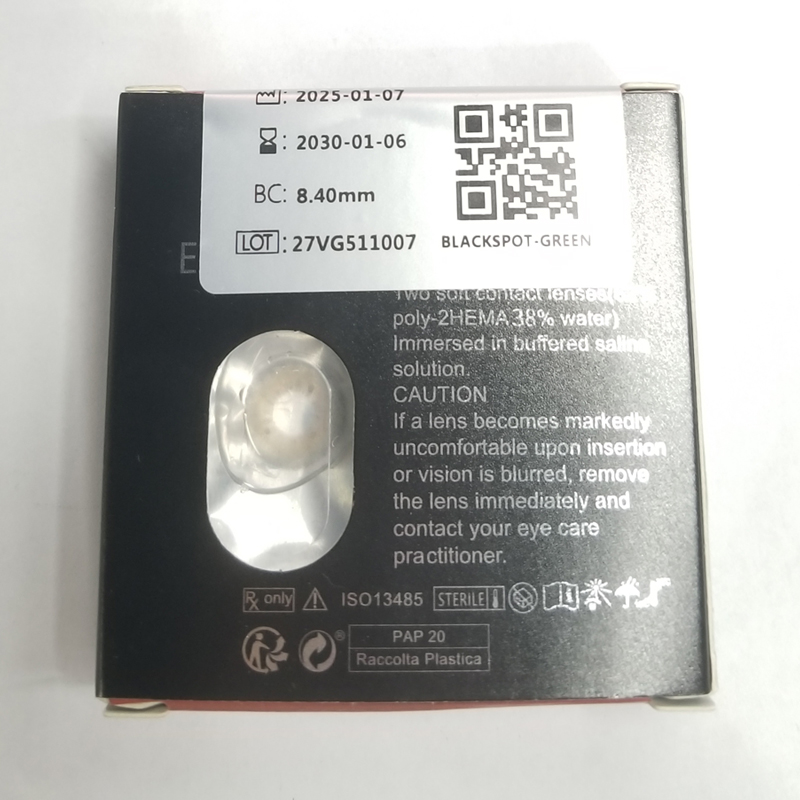
Eyeshare Wholesale Personal Brand Lentes De Contacto Paper Box Custom Eye Lens Packing Box

Contact Lenses Display Shelf Showcase Prosthetic & Cosmetic Colored Lens Counter Organizer
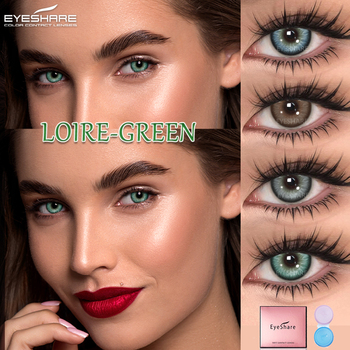
European Style Natural Blue-Grey Three-Tone Hydrophilic Cosmetic Contact Lenses
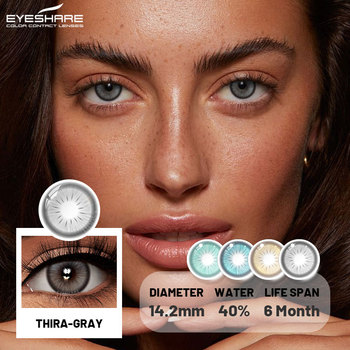
Three-Tone Corrective Prescription Cosmetic Contact Lenses (-0.00 to -8.00D)
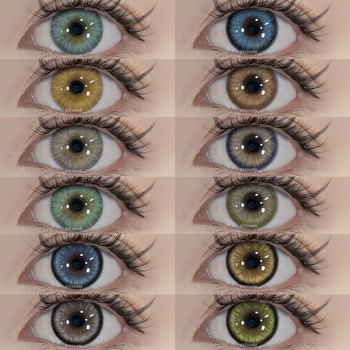
Medical-Grade Natural Three-Tone Hydrogel Cosmetic Lenses (Class IIa CE Conformity)
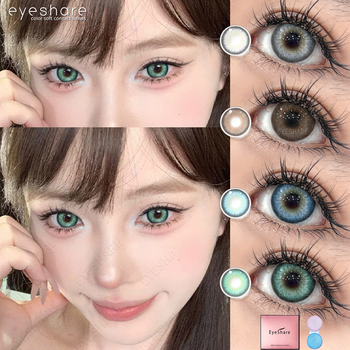
High Oxygen Permeability 14.5mm Enlarging Cosmetic Iris Lenses for Private Label
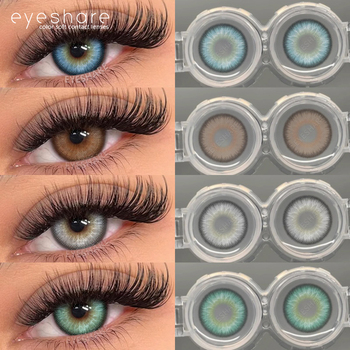
Fashion Vibrant Azure Blue Half-Yearly Replacement Color Lenses (Plano Optical Grade)
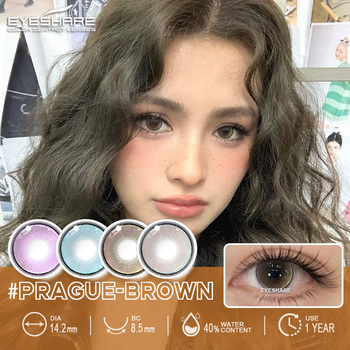
Full-Spectrum Soft Cosmetic Contact Lenses Batch Production for B2B Retail Distributors
Shenzhen Eyesharelenses Co., Ltd: Setting Global Benchmarks in Sterile Lens Manufacturing
Founded on rigorous ophthalmic engineering principles, Shenzhen Eyesharelenses Co., Ltd has operated as a specialized manufacturer and global exporter of soft cosmetic contact lenses for more than six years. Operating under comprehensive ISO 13485:2016 quality systems and assessed onsite by SGS Group, our integrated infrastructure handles everything from polymeric formulation and precision micro-molding to finished regulatory-compliant packaging.
Cosmetic lenses are medical devices subject to strict physiological tolerances. Our senior engineering squad, each with over five years of dedicated optical hydrogel experience, manages cleanroom manufacturing environments adhering to international Class 100,000 sterile guidelines. Unlike commercial novelty manufacturers who rely on surface tinting, our proprietary production line uses triple-layer sandwich encapsulation technology. This ensures color pigment granules remain completely locked within inert HEMA polymers, eliminating direct epithelial interaction and preventing corneal abrasion.
Every single batch undergoing international clearance is tracked through validated finished-product batch inspection. Using advanced automated interferometers, projection lensmeters, and base curve radius analyzers, our QA lab tests for water balance retention, center thickness concentricity, and tensile modulus integrity before issuing batch release documentation.
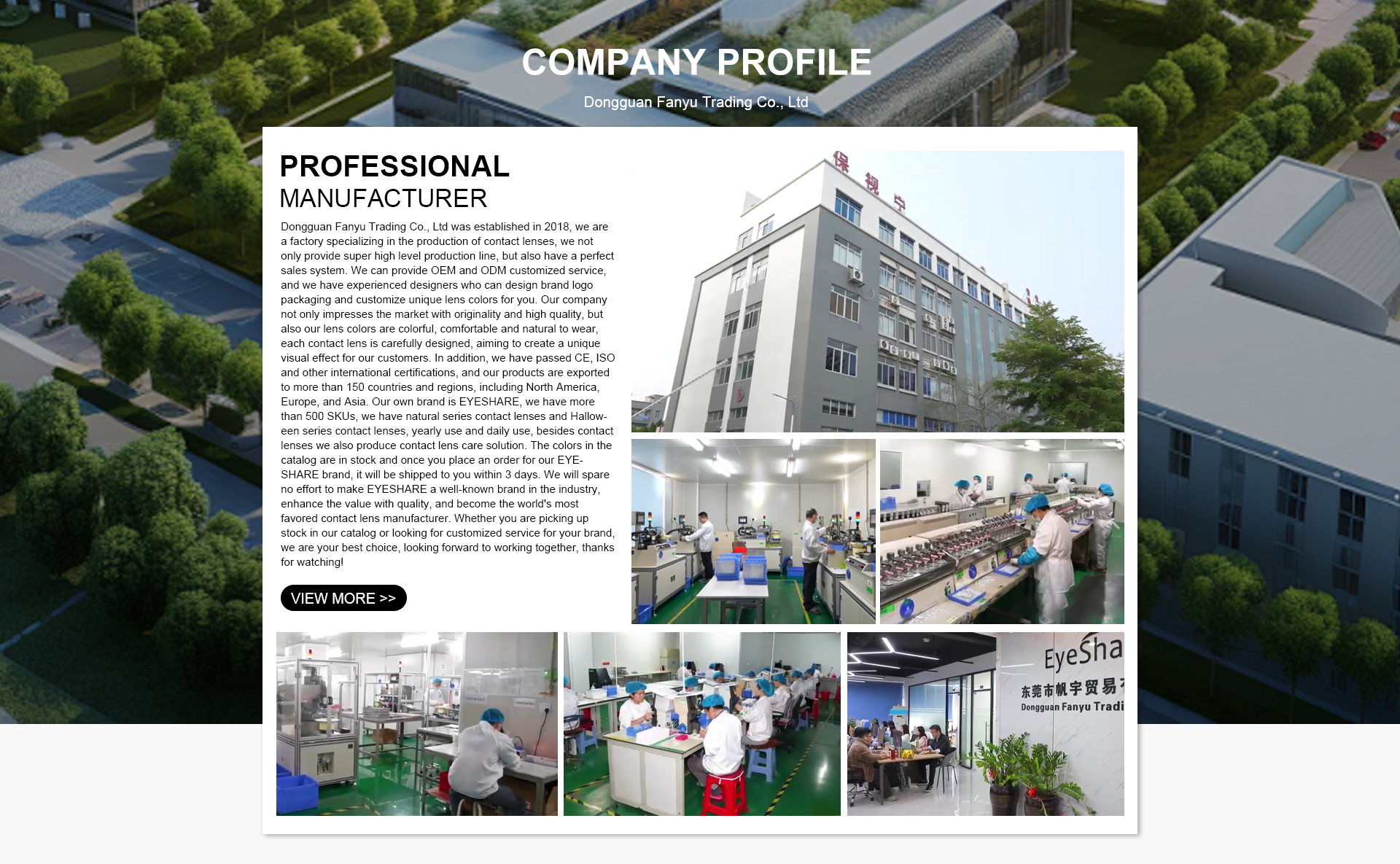
End-to-End OEM/ODM Contract Manufacturing Infrastructure
From initial design sketches and biological pigment compounding to automated sterile blister sealing, we offer fully turnkey manufacturing services tailored to corporate retailers, optical distributors, and private beauty brands.
Micro-Sandwich Encapsulation
Color pigments are precisely deposited onto the intermediate hydrogel layer and fully sealed between two clear protective layers of poly-HEMA. This guarantees that eye tissue never comes into direct contact with colorants, maintaining smooth tear-film dynamics and clinical optical safety.
Custom Pattern & Iris Geometry
We provide full design-based and sample-based custom color development. Whether your demographic requires hyper-natural three-tone limbal blends, enlarging Asian circle lens diameters (14.5mm), or vibrant costume effects, our computerized lathe and pad printing deliver unmatched reproducibility.
Turnkey Packaging & Labeling
Complete custom branding options, including multi-color secondary outer paper cartons, sterile sealed vials, polypropylene blister strips, tamper-evident security foil, multi-lingual Instructions for Use (IFU) leaflets, and localized GS1-compliant barcode management for swift retail distribution.
Global Compliance Documentation
We supply verified documentation dossiers for our buyers. These include complete certificates of analysis (CoA), biological compatibility test reports (ISO 10993 cytotoxicity and ocular irritation), sterility validation audits, and CE marking records under destination-market regulatory frameworks.
Flexible Sourcing & Low MOQs
Support your market entry with low Minimum Order Quantities on our popular in-stock formulas (from 10 to 20 pairs per SKU for catalog assortments). Scale seamlessly into high-throughput private label runs of 5,000+ units per custom formulation with predictable 15-to-25-day production cycles.
Direct Factory Pricing Stability
As a primary manufacturer based in the global optical hub of Shenzhen, we eliminate unnecessary middlemen markups. Our integrated supply of raw monomer inputs, automated casting equipment, and consolidated shipping logistics gives our B2B partners clear margin advantages across retail channels.
Future Procurement Trends: The Next Era of Cosmetic Lens Wholesale
A strategic overview for category managers, optical buyers, and brand developers navigating supply chain compliance, material shifts, and consumer demand evolution from 2025 to 2030.
1. Convergence of Vision Correction and Cosmetic Enhancement
Historically, cosmetic contact lenses operated as a niche segment focused almost entirely on zero-powered (plano) novelty or fashion items. Over the past three years, wholesale procurement data reveals a major structural shift toward corrective cosmetic lenses. Today's consumers expect cosmetic iris adjustments without sacrificing visual acuity.
Procurement teams are shifting stock keeping units (SKUs) toward balanced power ranges (from -0.50D down to -8.00D). This requires manufacturers to maintain tighter mold tolerances. Ensuring optical clarity across the pupillary aperture while keeping multi-tone iris printing aligned requires automated computerized centering during mold polymerization. Wholesale buyers should partner with suppliers that can supply full diopter ranges on consistent delivery timelines.
2. Tightening Regulatory Frameworks in Europe, UK, and North America
Regulatory scrutiny over colored contact lenses has increased around the world. In the United Kingdom, the Opticians Act 1989 establishes that all contact lenses—including non-corrective zero-powered fashion and Halloween lenses—are legally medical devices subject to registered optical supervision. In the European Union, the transition under MDR 2017/745 (specifically Annex XVI, which reclassifies non-corrective contact lenses under strict Class IIa medical device pathways) requires full technical documentation and clinical evaluations.
For international buyers, sourcing from unverified suppliers creates major border clearance and legal risks. Brand owners are focusing on Tier-1 suppliers that have passed onsite audits by groups like SGS, maintain updated ISO 13485:2016 certifications, and provide comprehensive compliance files for regulatory bodies like the UK MHRA and US FDA.
3. Shorter Replacement Cycles: Daily Disposables vs. Extended Wear
While yearly and half-yearly replacement cosmetic lenses remain strong wholesale volume drivers in developing retail markets due to unit economics, established Western markets are transitioning rapidly toward monthly and daily disposable cosmetic lenses. Driven by eye health awareness and convenience, the daily disposable color segment is growing at over 9.4% CAGR.
From an OEM perspective, manufacturing daily disposables requires high automated efficiency, sub-second casting cycle times, and automated blister packaging machines. Brands looking to build repeat customer loyalty are developing custom daily disposable lines to capture steady replenishment subscription sales.
4. Advanced Biocompatibility & Moisture-Lock Surface Formulations
Consumer expectations for ocular comfort have grown significantly, largely driven by longer screen times and digital eye strain. As a result, cosmetic lenses must maintain their wettability across 12-to-16-hour daily wear cycles. Modern polymer chemistry is evolving beyond standard 38% poly-HEMA matrices into hybrid formulations infused with N-Vinylpyrrolidone (NVP) and hydrophilic phosphorylcholine (MPC) surface treatments.
These advanced matrix innovations lower the water-contact angle (improving wettability), resist protein deposition from tears, and maintain oxygen permeability (Dk/t) levels that keep corneal tissue healthy. When negotiating contract manufacturing agreements, leading B2B buyers now look at dehydration rates, modulus stiffness, and edge bevel geometries alongside visual pattern designs.
| Performance Specification | Standard Novelty Grade Lenses | Eyeshare Medical-Grade OEM Matrix | Clinical Advantage for Resellers |
|---|---|---|---|
| Color Layering Technology | Surface Pad-Printed (Single layer) | 3-Layer Sandwich Encapsulation | Zero pigment-to-cornea contact; eliminates irritation risks. |
| Base Polymer Composition | Standard Industrial Grade HEMA | Ophthalmic Cast-Molded Poly-HEMA (NVP Blend) | Maintains oxygen transmissibility and flexible wear comfort. |
| Water Content Equilibrium | 35% - 36% (High dry rate) | 38% - 42% (Optimal equilibrium) | Reduces moisture draw from tear film, extending wearing comfort. |
| Edge Profile Engineering | Square, sheared cut edges | Smooth-curved, rounded taper edge | Facilitates natural tear exchange with each blink. |
| Sterilization Validation | Manual Batch Steam Sterilization | Automated 121°C Terminal Autoclave Cycle | Guarantees Sterility Assurance Level (SAL) 10⁻⁶ per ISO 17665. |
Emerging Technologies Shaping the Future of Cosmetic Lens Production
Continuous investment in cleanroom automation, digital printing, and advanced polymer synthesis is opening new possibilities for private label brand owners.
Variable Pupil Iris Blending
Traditional flat iris patterns can cause an unnatural "tunnel-vision" look. New gradient micro-dot layouts use progressive dot density fading inward toward the optical center. This allows the wearer's natural pupil dilation to transition smoothly without obstructive chromatic fringes.
Broad-Spectrum UV400 Filters
Modern cosmetic wearers are increasingly conscious of preventative ocular health. Integrating chemical UV absorbers directly into the liquid monomer mix blocks more than 85% of UVA and 98% of UVB radiation without altering iris color accuracy.
Aspheric Surface Geometry
By moving beyond spherical back-curve profiles to multi-curve aspheric geometries, our updated cast molds reduce spherical optical aberrations. This improves contrast sensitivity in dim lighting and stabilizes lens positioning on varied cornea shapes.
Eco-Responsible Packaging
Responding to international sustainability standards, packaging lines are moving away from heavy PVC materials toward 100% recyclable medical polypropylene blisters and reduced-weight sterile foil lids. This cuts plastic usage by up to 28% across volume shipments.
Frequently Asked Questions: Wholesale, Private Labeling & Compliance
Key answers to technical, commercial, and regulatory questions asked by optical chains, e-commerce brands, and global distributors.
What is the regulatory classification for cosmetic contact lenses in the UK and European Union?
How does sandwich printing technology prevent ocular complications?
What are the standard Minimum Order Quantities (MOQ) for catalog orders versus private-label OEM runs?
Can cosmetic contact lenses be produced with prescription power for myopia correction?
What is the standard production lead time and international shipping timeframe?
What is the recommended seasonal purchasing timeline for Halloween and cosplay lenses?
Launch or Expand Your Private Label Lens Portfolio
Partner with an SGS-verified manufacturer. Contact our Shenzhen engineering and export team today to receive a comprehensive product catalog, request evaluation samples, or schedule an OEM consultation.