Engineered to Surpass ISO 13485 & Global Regulatory Metrics
With 6+ years of global export discipline, Shenzhen Eyesharelenses Co., Ltd. integrates advanced micro-encapsulation technology with cleanroom automation to safeguard clinical ocular integrity.
6+
Years International Export
4.8/5
Verified Buyer Trust Score
5+
Senior QC Engineers
100%
Lot-by-Lot Finished Inspection
Onsite SGS Assessed Facilities
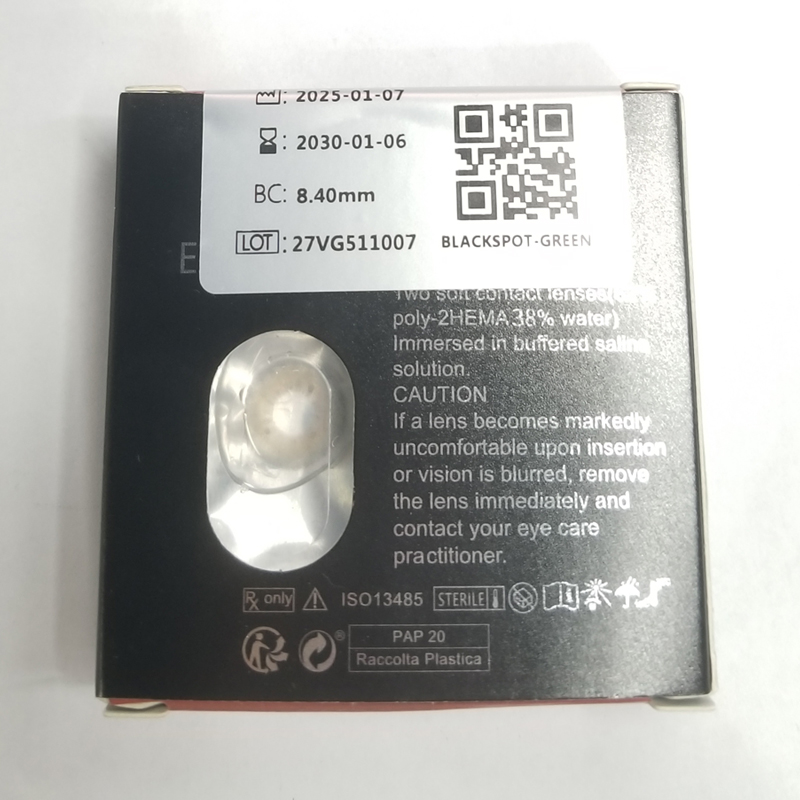
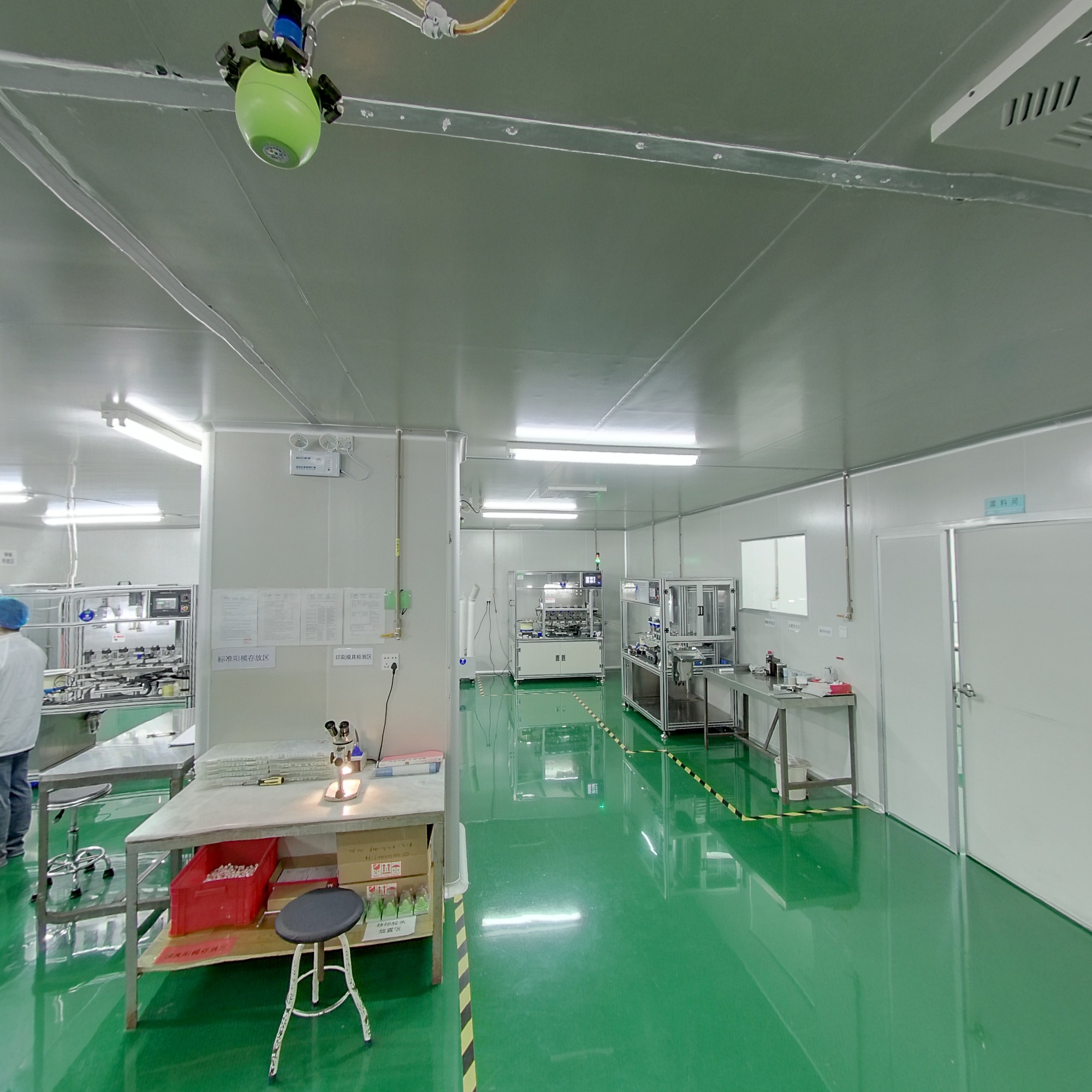
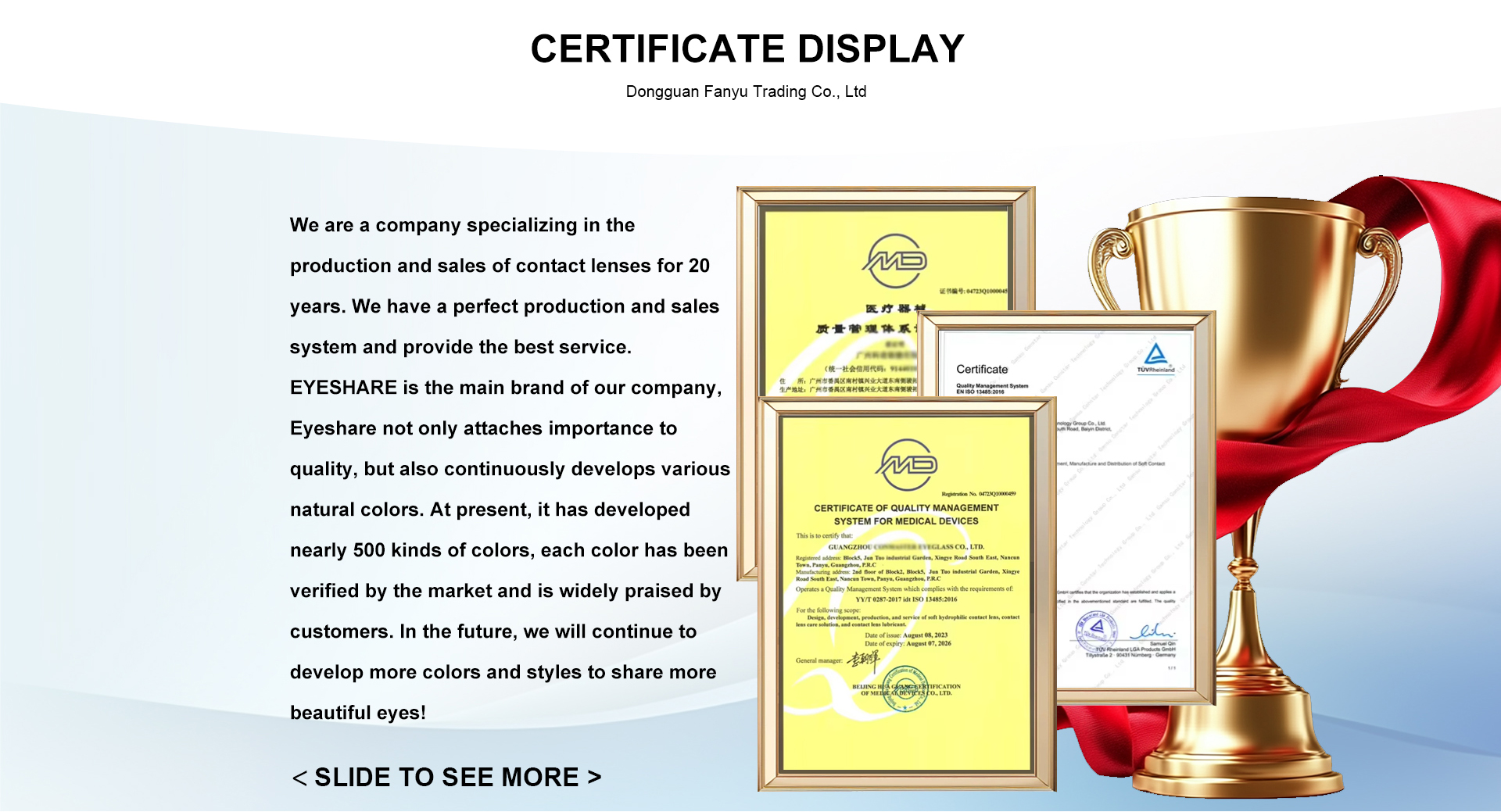
Our manufacturing framework is fully audited onsite by the SGS Group. We adhere strictly to ISO 13485 medical device quality systems, ensuring every production batch provides full traceability from raw monomer synthesis to sterile vial capping.
Cleanroom sterilization per Class 100,000 ISO specs
Complete audit trail with raw batch retention samples
Biocompatible Sandwich Embedding
To protect the corneal epithelium, our patented pigment isolation printing process embeds micro-colorants securely between double hydrogel substrate layers, guaranteeing zero pigment contact with ocular tissue while preserving maximum Dk/t oxygen flow.
Zero friction loss on the corneal surface
Hydrophilic HEMA composition maintaining ~38% water content
Agile OEM/ODM White-Label Suite
We provide end-to-end industrial private label incubation. From bespoke iris pattern rendering and custom base curve casting to MHRA/FDA compliant bilingual blister packaging, our low MOQ infrastructure scales effortlessly with emerging optical brands.
Sample proofing turnaround within 7-10 business days
Custom vial, blister pack, and multilingual IFU booklet integration
Primary Facility & Cast Molding Center
Sterile Automated Packaging
Quality Inspection Warehouse
Industry Whitepaper Analysis
Technological Trajectories in Contact Lens Engineering
Strategic insights into polymer advancements, precision optical molding, and the clinical evolution shaping modern therapeutic and cosmetic lenses.
Hydrogel to Silicone-Hydrogel Migration
Traditional p-HEMA (poly-2-hydroxyethyl methacrylate) materials have provided exceptional wettability and tactile softness. However, the international market is accelerating toward Silicone-Hydrogel formulations that boost oxygen transmissibility (Dk/t) far beyond 80 units. This technological shift virtually eliminates corneal hypoxia, extending safe continuous wear times from 8 to 14+ hours without desiccation.
High-Definition Edge Blending & Limbus Profiling
Legacy color stamping utilized rudimentary dot-matrix printing, resulting in visible pixelation and unnatural limbal rings. Modern OEM suppliers utilize nano-pigment laser jet dispersing. This achieves sub-micron dot dispersion mimicking real human stromal fibers, giving dark eyes natural transitions without impairing the peripheral field of view.
Broad-Spectrum HEV & UV Shielding
Ocular wellness criteria now mandate functional radiation defense. Modern formulations embed Class 1/Class 2 UV-blocking monomers directly into the polymeric matrix, absorbing over 90% of UVA and 99% of UVB rays. Concurrently, emerging iterations incorporate high-energy visible (HEV) blue-light filtering to reduce digital asthenopia across computer and smartphone users.
Global Procurement Dynamics
Strategic Sourcing Trends for B2B Optical Distributors
Navigating changing compliance protocols, SKU rationalization, and agile logistics across European, North American, and Asian import corridors.
Seasonal Forecasting for Theatrical & SFX SKUs
Procurement for peak retail periods—especially Halloween and cosplay conventions—requires precise scheduling. B2B buyers must finalize formulation validation and sample runs by late June, booking bulk shipments before mid-August to absorb maritime delays and customs clearance.
Tightening UKCA & EU MDR Compliance
With the EU Medical Device Regulation (MDR 2017/745) and UK MHRA frameworks fully enforcing zero-power cosmetic lenses as Class IIa/IIb medical devices, buyers must audit manufacturer technical documentation, including biocompatibility Cytotoxicity (ISO 10993-5) and Stability profiles.
Direct-to-Consumer Packaging & Low MOQs
E-commerce private label models demand flexibility. Modern procurement favors vendors offering tiered production models—starting from 10–20 pairs for rapid inventory turnover and scaling to 50,000 units with unified brand serialization and barcodes.
Eco-Responsible Packaging Substrates
Environmental regulations across Western Europe are driving procurement teams to phase out excessive blister plastics. Forward-thinking brands are switching to post-consumer recycled paper cartons, soy-based non-toxic inks, and polypropylene blister cups engineered for minimal landfill footprint.
Knowledge Base & Due Diligence
Frequently Asked B2B Procurement Questions
Comprehensive compliance, technical parameters, and ordering guidelines answered by our engineering and regulatory affairs team.
Can zero-powered cosmetic contact lenses be legally sold in the UK and EU without medical oversight?
No. Under the UK Opticians Act 1989 and EU MDR, cosmetic contact lenses (even plano zero-power lenses) are classified as medical devices. In Great Britain, sales must be supervised by a General Optical Council (GOC) registered optometrist, dispensing optician, or registered medical practitioner. Overseas manufacturers must designate a UK Responsible Person (UKRP) and secure CE or UKCA certifications before commercial import.
What is the standard MOQ structure for custom OEM private-label branding?
For stock designs and catalog shades, our minimum order quantity starts from just 10 to 20 pairs per SKU, facilitating rapid retail sampling. For full private-label manufacturing—including customized blister foil, brand carton design, and custom iris printing—MOQs typically range from 500 to 1,000 units per artwork, accompanied by complete quality validation reports.
How do you guarantee that colored pigments will not leach into corneal tissue?
We utilize a specialized sandwich encapsulation technology. Rather than printing dye directly onto the lens exterior, non-toxic FDA-approved cosmetic color pigments are hermetically sealed inside the core hydrophilic layer. The outer surfaces remain pure biocompatible HEMA polymer, ensuring zero friction on the cornea or conjunctiva.
What are the mechanical and physical tolerances of your soft contact lenses?
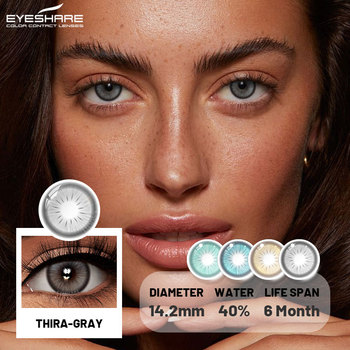
Our lenses maintain an average water content of 38% to 42%, preventing tear dehydration during extended wear. Standard base curves (BC) are calibrated to 8.5mm – 8.6mm with overall diameters (DIA) of 14.0mm, 14.2mm, and 14.5mm. Center thickness ranges around 0.08mm (-3.00D equivalent), optimized for oxygen exchange and structural stability during handling.
What regulatory documentation do you supply to support import customs clearance?
Every overseas commercial consignment is backed by our full compliance packet, including Certificate of Analysis (COA) per batch, ISO 13485 quality credentials, SGS onsite assessment certificates, CE declarations of conformity, and English Instructions for Use (IFU) leaflets complying with Destination Market Labeling directives.
Initiate Your Contact Lens Line with a Verified Factory Partner
Whether you require bulk inventory of proven three-tone cosmetic shades or bespoke OEM formulation with custom retail packaging, our engineering team is ready to scale your vision.