Display Fixture

Contact Lenses Display Shelf & Prosthetic Eye Showcase
Acrylic Display
Retail Optical
Turnkey POS
The transition of cosmetic circle lenses from an East Asian street-fashion subculture to a multibillion-dollar global medical-aesthetic category has elevated technical standards for international importers. Modern optical buyers no longer evaluate suppliers purely on aesthetic graphic diameters, but on bio-compatible polymer matrixes, Dk/t oxygen transmissibility, automated cast-molding yields, and full adherence to global MDR frameworks.
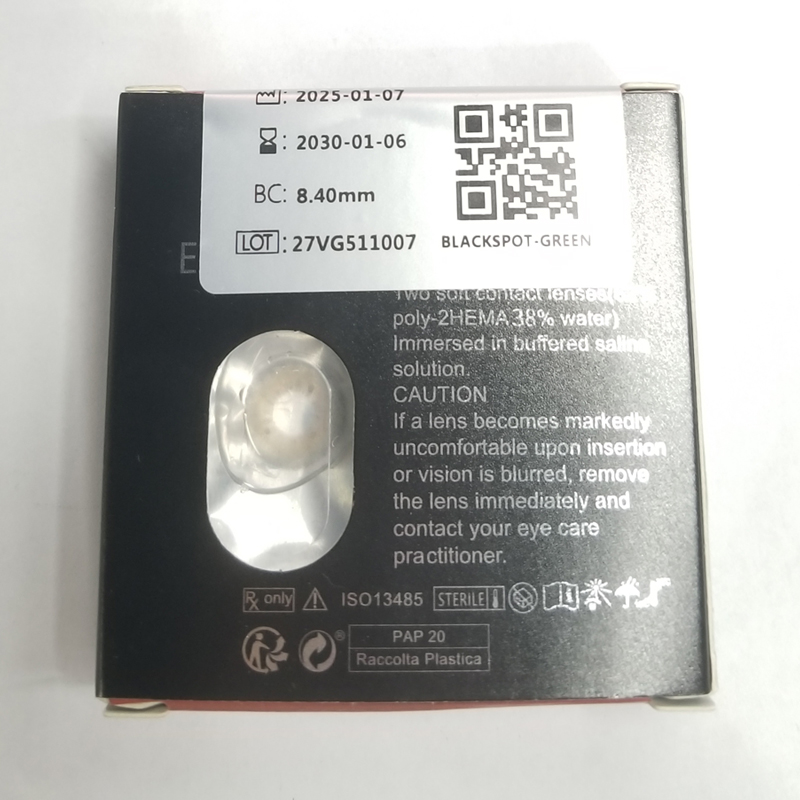
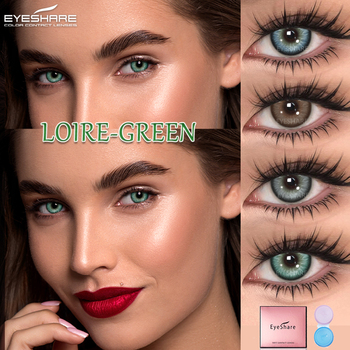
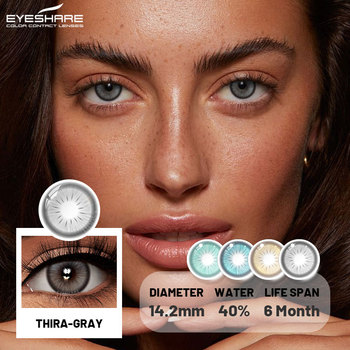
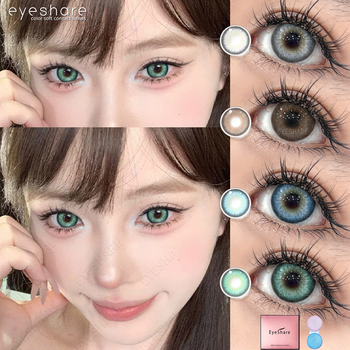
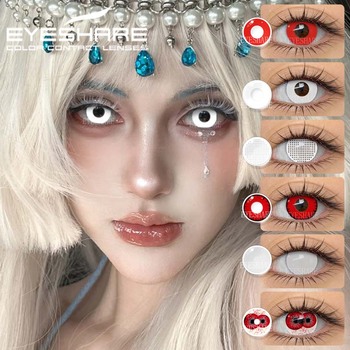
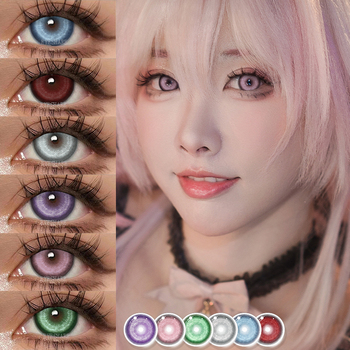
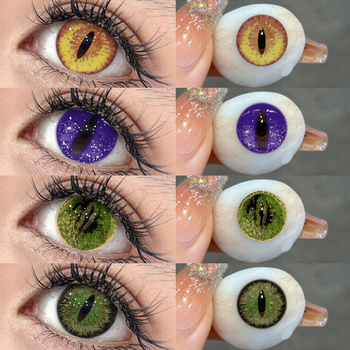
A comparative structural analysis of primary industrial factories providing circle lens manufacturing, OEM fabrication, and private-label contract packaging across the Asia-Pacific corridor and Western hubs.
| Manufacturer / Supply Partner | Primary Cleanroom Location | Core Polymer Formulation | Printing Technology | Quality Certifications | Typical OEM MOQ |
|---|---|---|---|---|---|
| Shenzhen Eyesharelenses Co., Ltd | Guangdong, China (Class 100k) | Poly-HEMA (38% Water Content) | Triple-Layer Sandwich Micro-Encapsulation | SGS Onsite Audited, CE, ISO13485 | 10–20 Pairs (Stock) / Flexible OEM |
| Geo Medical Co., Ltd | Jeollanam-do, South Korea | Polymacon / Cast Mold HEMA | Dual-Coating Cast Embedding | KGMP, KFDA, ISO13485, CE | 1,000 Pairs / Design |
| EOS Co., Ltd | Gwangju, South Korea | 2-HEMA Hydrogel Formulations | Pad Printing & Encapsulated Polymer | ISO13485, CE0120, KFDA | 500 Pairs / Shade |
| G&G Contact Lens (Dueba) | Daegu, South Korea | HEMA-NVP Copolymer | CIP (Color Insert Placement) System | ISO9001, CE, Health Canada | 500–1,000 Pairs |
| St. Shine Optical Co., Ltd | Taipei, Taiwan | Ocufilcon D / Methafilcon A | Automated High-Speed Spin Cast | FDA 510(k), CE, PMDA Japan | 10,000 Pairs / SKU |
| Pegavision Corporation | Taoyuan City, Taiwan | Silicone Hydrogel & HEMA | Automated Micro-Injection Sandwich | FDA, CE MDR, ISO13485 | 5,000 Pairs |
| Innovacon Co., Ltd | Gyeonggi-do, South Korea | MPC (Methacryloyloxyethyl phosphorylcholine) | Precision Pad Mold Printing | KFDA, CE, ISO13485 | 1,000 Pairs |
| Seed Co., Ltd | Tokyo, Japan | HEMA Non-Ionic Hydrogel | Internal Intercalation Process | MHLW Japan, CE Mark | High Volume Institutional |
| Belmore Contact Lens Co., Ltd | Chungcheongnam-do, South Korea | Poly-HEMA Biocompatible Matrix | Full Lathe-Cut & Cast Molding | ISO13485, CE, KGMP | 500 Pairs |
| MaxVUE Vision Sdn Bhd | Selangor, Malaysia | Hydrogel Terpolymer | Color Lock Sandwich Tech | CE Mark, ISO9001, CAMR | 500 Pairs |
The single most crucial factor separating clinical-grade circle lenses from high-risk cosmetic novelties is the pigment deposition technique. In past decades, unverified workshops printed color pigments directly on the posterior or anterior surfaces of the lens. Direct pigment contact with the cornea causes micro-abrasions, mechanical irritation, pigment migration, and hypoxic distress.
Modern production facilities utilize cast-molding injection where iron oxide and organic reactive dyes are trapped within the cross-linked poly-HEMA hydrogel layer. Zero pigment particles ever come into physical contact with corneal epithelial cells or the palpebral conjunctiva.
While daily medical clear lenses sometimes seek high water content (58%), cosmetic circle lenses achieve clinical stability at 38% water content. This ensures the lens does not leech tears from the ocular tear film, drastically minimizing end-of-day dryness for wearers in air-conditioned environments.
Traditional circle lenses relied on thick, pitch-black outer borders. Contemporary medical aesthetics prioritize multi-tonal dot-matrix pixelation. This creates an authentic iris expansion effect that blends seamlessly with the natural scleral junction rather than appearing artificial.
Operating over six continuous years as a specialized exporter and verified supplier, Eyeshare provides the global contact lens trade with robust production, consistent pattern fidelity, and rigorous regulatory compliance files.

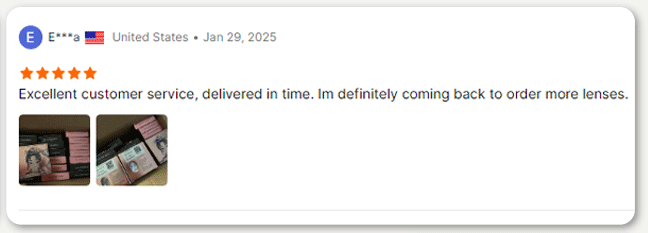
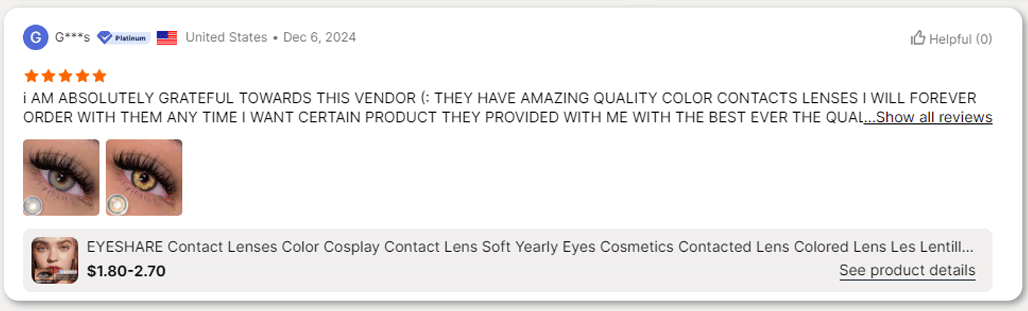
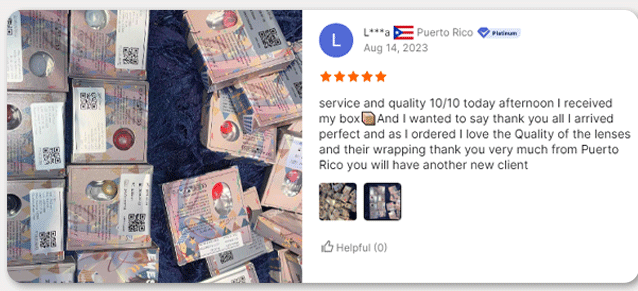
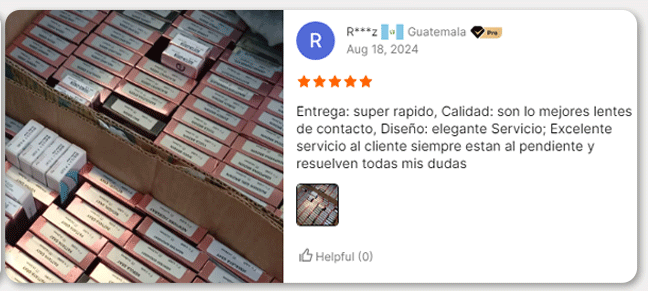
B2B importers, brand aggregators, and enterprise opticians must prepare for four tectonic shifts in manufacturing standards, consumer preferences, and international statutory controls.
While HEMA maintains the lion's share of colored lenses due to its pigment binding affinity, next-gen fluoro-silicone hydrogels are overcoming wettability hurdles. Expect Dk/t levels jumping from 15 to 80+, opening lucrative medical daily-disposable cosmetic markets.
Modern distributors reject high-friction supply setups. The standard is complete end-to-end delivery: sterile blister sealing, tamper-proof cartons, custom secondary boxes, barcoding, and pre-audited localized IFU leaflets ready for swift retail shelf display.
Regulatory scrutiny is intensifying globally. The European Union MDR 2017/745 (Annex XVI) and the UK MHRA now regulate zero-powered cosmetic lenses under the exact same stringent Class IIa/IIb medical standards as corrective surgical lenses.
Cosplay, anime pop culture, and short-term cosmetic trends are compressing product life cycles. Brands require manufacturers who maintain thousands of SKUs in stock for immediate 48-hour fulfillment at 10-pair MOQs, eliminating severe inventory depreciation risks.
Definitive answers covering clinical classifications, import licensing, quality verification protocols, and custom OEM manufacturing.