Engineered for Retailers, Opticians & Private Brands
Explore high-yield cosmetic formulations, certified cast-molding geometries, and bespoke packaging lines manufactured under ISO 13485 sterile cleanroom controls.
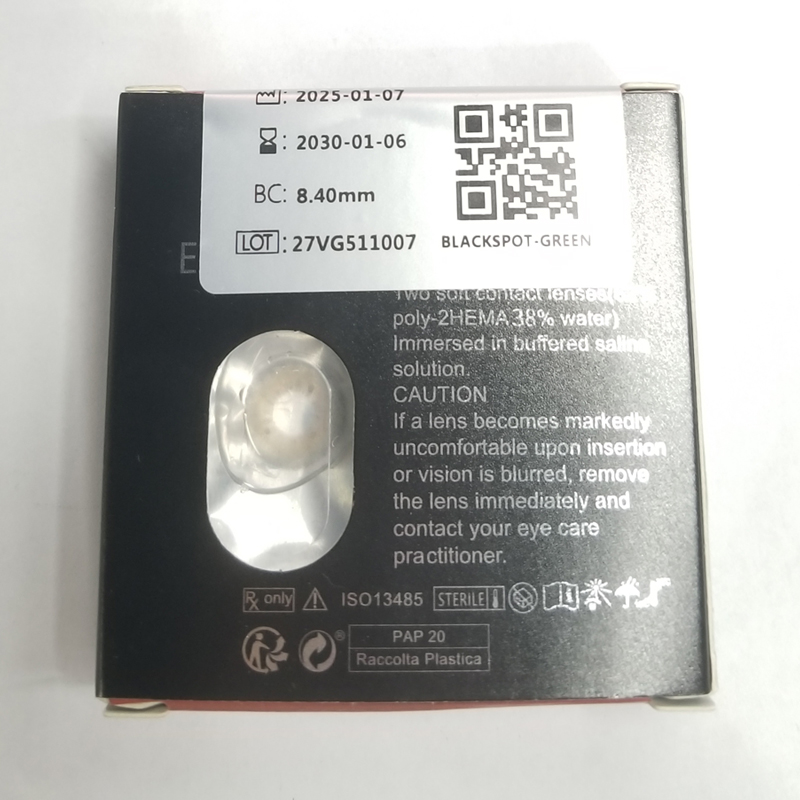
Eyeshare Wholesale Personal Brand Paper Packaging Box

Contact Lenses Countertop Display Stand & Fitting Kit
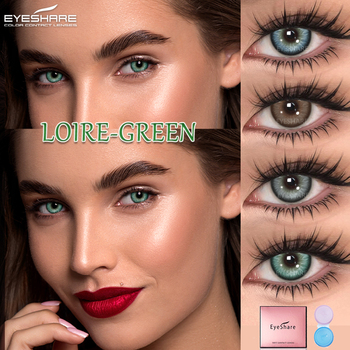
European Natural Tri-Tone Blue Grey Soft Contact Lenses
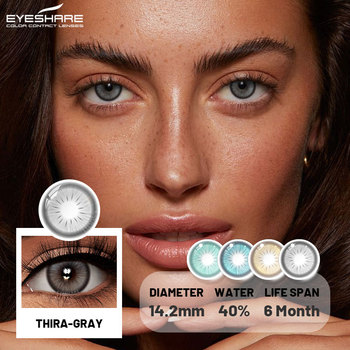
Prescription Aesthetic 3-Tone Corrective Cosmetic Lenses
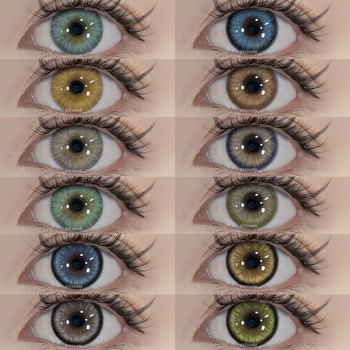
Medical-Grade Natural Three-Tone Hydrophilic Lenses
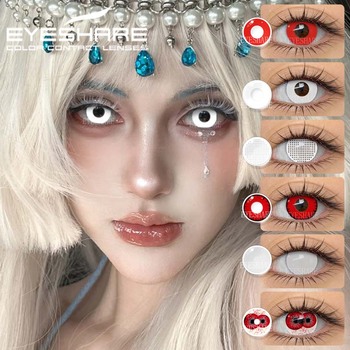
Opaque Pigment Vampire Red & Devil Yellow Cosplay Lenses
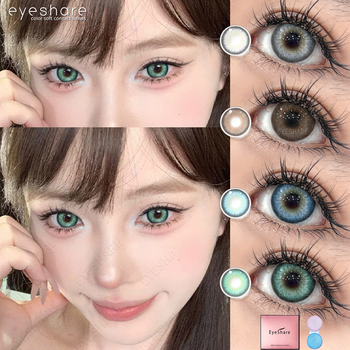
14.5mm Graphic Diameter Doll-Eye Circle Cosmetic Lenses
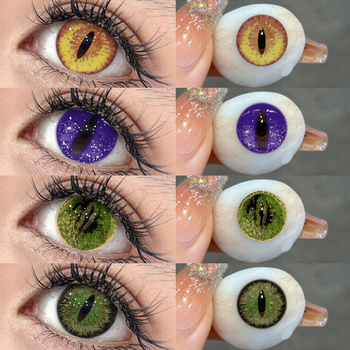
Prismatic Non-Rotating Vertical Slit Yellow Cat Eye Lenses
Global Manufacturing Matrix: Evaluating Tier-1 Contact Lens Facilities
The global colored contact lens market has shifted decisively from simple costume novelties to high-precision Class IIa / Class IIb medical devices. B2B optical buyers, clinical distributors, and direct-to-consumer (DTC) beauty conglomerates face stringent supplier vetting criteria. A verified manufacturer must excel in three core facets: precision polymer synthesis (HEMA vs. Silicone Hydrogel), bio-inert color encapsulation, and regulatory traceability across international health agencies.
When assessing the Top 10 colored contact lens wholesale manufacturers and factories worldwide, enterprise buyers evaluate production infrastructure against key performance indicators (KPIs) including edge taper consistency, oxygen transmissibility (Dk/t), automated defect screening, and compliance with the EU Medical Device Regulation (MDR 2017/745), US FDA 510(k), and UK Medical Devices Regulations 2002.
| Manufacturer Classification | Predominant Technology | Material Matrix | Typical B2B MOQ | Ideal Procurement Objective |
|---|---|---|---|---|
| Specialized Chinese OEM Hubs (e.g., Eyeshare) | Full Cast-Molding & Tri-Layer Sandwich Printing | HEMA + NVP Hydrophilic Polymer (38%-42%) | 10 – 50 Pairs (Stock) / 500 (Custom) | High agile beauty brands, fast SKU turnover, UK/EU omni-channel retail |
| South Korean Boutique Labs | Lathe-Cutting & Semi-Cast Hand Pad Printing | 2-HEMA, Phosphorylcholine (PC) Hybrids | 500 – 1,000 Pairs per SKU | Ultra-premium salon lines, niche natural beauty influencers |
| Taiwanese Fully Automated Hubs | High-Speed Automated Injection Cast Molding | Silicone Hydrogel (SiHy) & Hydrogel | 5,000 – 10,000 Pairs per SKU | Mass pharmaceuticals, global retail chain store daily disposables |
| Multinational Conglomerates | Proprietary Automated Lightstream Technology | High Dk/t Silicone Hydrogel Matrix | Contract Master Distributor Scale | Prescription-dominated hospital networks and optical clinic monopolies |
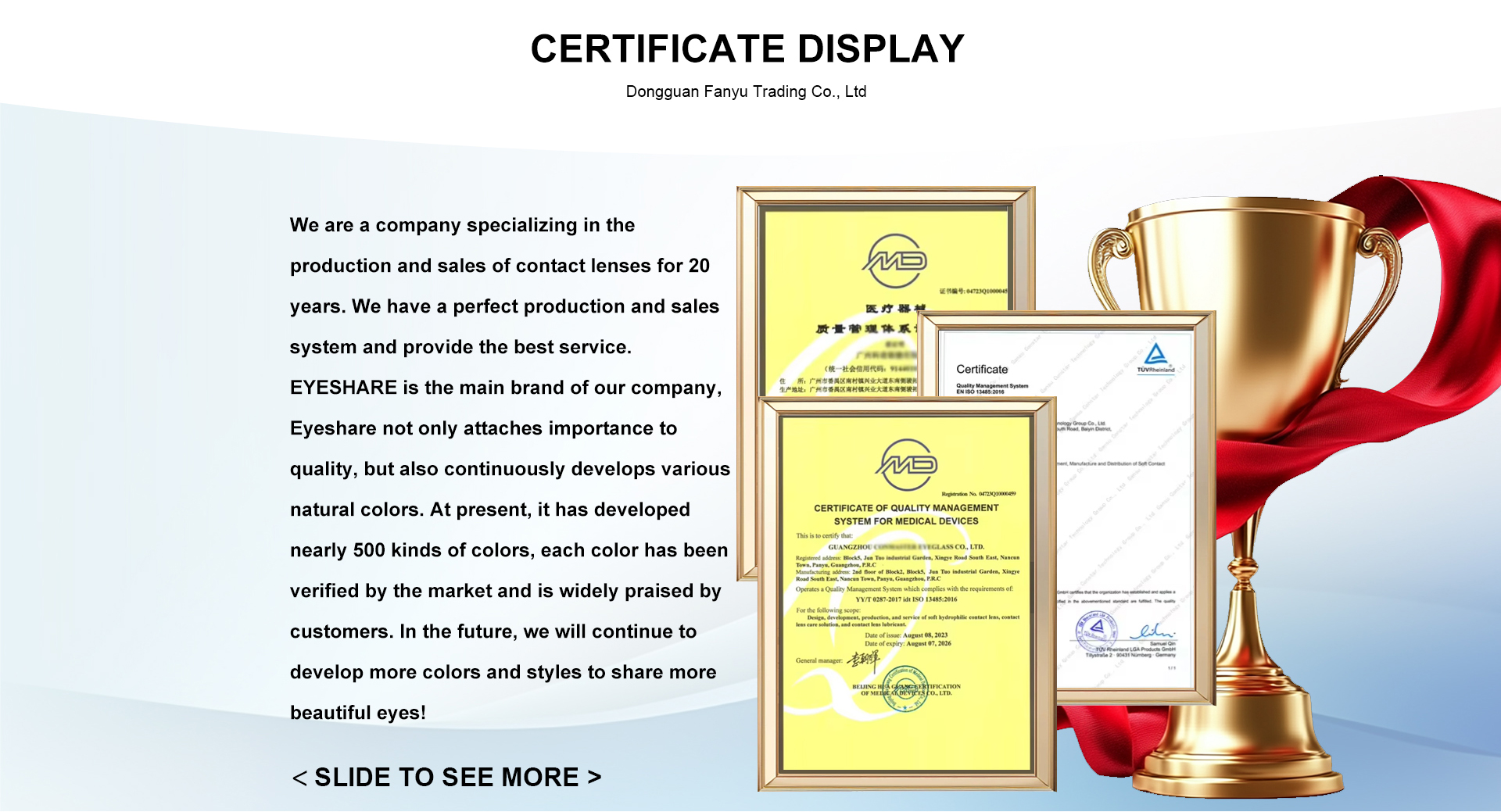
For independent brands, distributors, and optometry clinics, working directly with an agile, audited facility like Shenzhen Eyesharelenses Co., Ltd bridges the gap between commercial viability and clinical safety. By leveraging full cast-molding processes combined with SGS onsite inspection, brand founders obtain the same safety standards as high-volume conglomerates without being immobilized by multi-thousand-unit minimum order barriers.
Future Sourcing & Procurement Trends (2025–2030)
The colored contact lens industry is undergoing structural transformations driven by shifts in consumer wear patterns, material sciences, and clinical oversight. Resellers and brand owners must align their inventory strategies with three major forward-looking trajectories:
1. Accelerated Shift to Daily Disposables
While yearly and half-yearly lenses dominate costume and cosplay niches due to cost efficiency, daily disposable (1-Day) cosmetic lenses represent the fastest-growing commercial segment. Driven by ocular health awareness and non-compliance risks associated with lens cases, urban consumers demand sterile, single-use lenses with ultra-high moisture retention agents such as hyaluronic acid (HA) embedded in the saline matrix.
2. Silicone Hydrogel Cosmetic Hybrids
Historically, embedding colored micro-pigments into high-Dk/t silicone hydrogel presented challenges in surface wettability and lens stiffness. Next-generation plasma surface treatments and internal wettability agents now allow vibrant three-tone iris reproduction on silicone materials, unlocking 5x to 6x oxygen flow compared to legacy poly-HEMA polymers for prolonged cosmetic wearing cycles.
3. Digital Traceability & MDR Compliance
Regulatory bodies—including the MHRA in the UK, the FDA in the United States, and the EMA across the European Union—are enforcing strict Unique Device Identification (UDI) guidelines. Retailers can no longer import unverified white-label vials without risk of customs seizure. Procurement is consolidating around certified factories that provide localized batch analysis, technical safety files, and authorized in-country representative (UKRP/EC Rep) documentation.
Engineered Excellence: Shenzhen Eyesharelenses Co., Ltd
With over 6 years of specialized international export authority, Shenzhen Eyesharelenses has established a gold standard for cosmetic lens manufacturing. Operating verified cleanrooms, our facilities balance artisan color depth with high-precision medical casting.
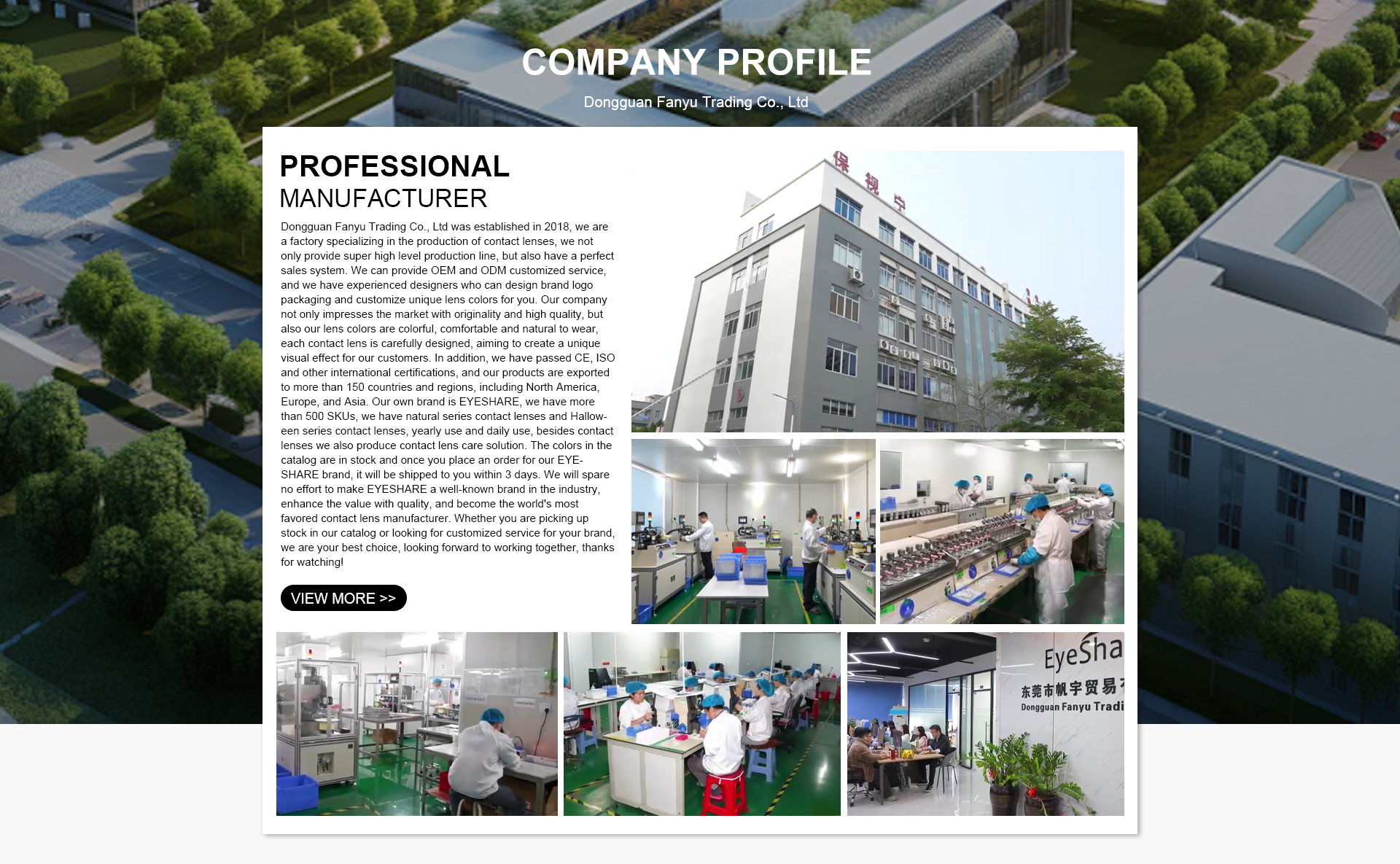 SGS Assessed Headquarters
 Automated Cast Molding
 Sterile Packaging Facility
Frequently Asked Questions for Wholesale Buyers
Essential compliance, manufacturing, and operational insights for international buyers, opticians, and private-label founders.
What is the true difference between Sandwich Printing and Surface Printing?
Can zero-powered (plano) colored lenses be sold in the UK and Europe without regulation?
What are the standard minimum order quantities (MOQs) for wholesale vs. OEM projects?
What physical lens parameters are most critical for universal commercial fitting?
How does Eyeshare guarantee batch-to-batch color repeatability for wholesale reorders?
Scale Your Optical & Cosmetic Brand with a Verified Factory
Consult with our international trade specialists today. Request our complete wholesale product catalog, technical specification sheets, compliance test reports, or customized OEM sample kits.
Send an Inquiry