Custom Packaging
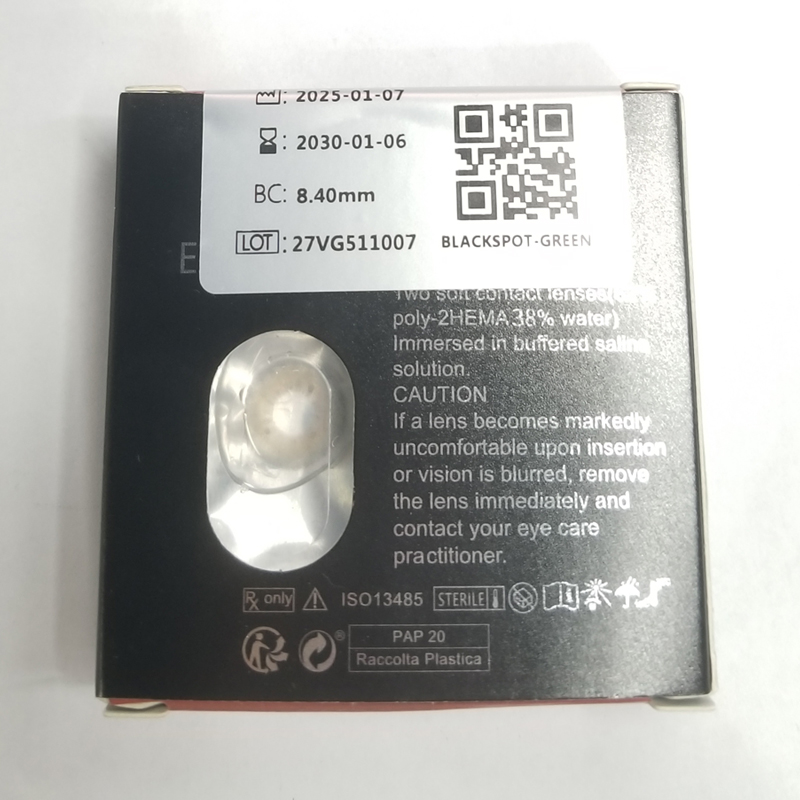
Eyeshare Wholesale Personal Brand Lentes De Contacto Box Free Design
Custom OEMPaper BoxFree Design
Engineered via automated sandwich lamination, offering balanced high water retention and strict corneal safety compliance.

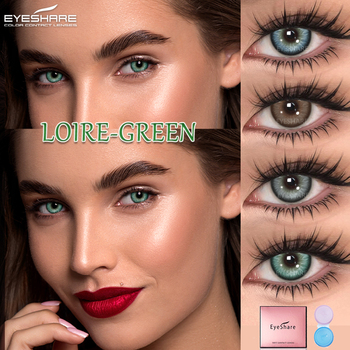
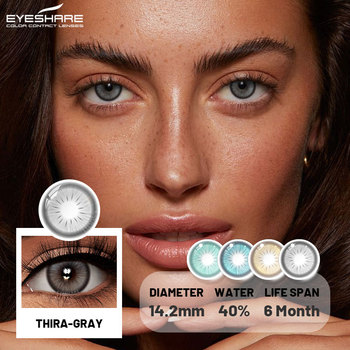
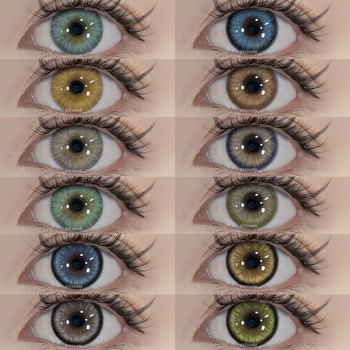
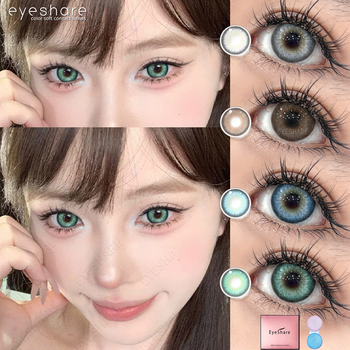
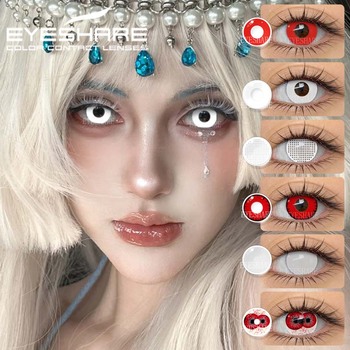
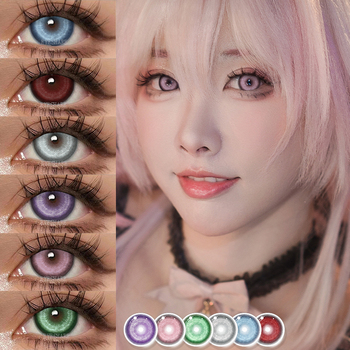
Combining cleanroom manufacturing, automated optical verification, and SGS audited supply chain governance.
Shenzhen Eyesharelenses Co., Ltd operates under stringent onsite facility assessments by SGS Group. Production cleanrooms, legal legitimacy, and sterilisation controls meet exacting global distribution standards.
Our sandwich printing methodology locks non-ionic, pharmaceutical-grade dyes completely between interior and exterior hydrogel layers, eliminating corneal abrasion hazards and preventing colour leeching.
From custom 14.0mm–14.5mm graphic pattern matrices to regional packaging localization (multilingual IFU inserts, sterile blister peeling seals, custom retail carton barcodes), we accelerate your time-to-market.
A data-backed comparative blueprint evaluating production capabilities across China’s premier manufacturing clusters.
| Manufacturer Profile / Cluster | Primary Production Tech | Compliance Tier | MOQ Threshold | Key Strengths & Limitations |
|---|---|---|---|---|
| Eyeshare Lenses (Shenzhen) | Automated Cast Moulding (HEMA) | SGS / CE Ready / ISO | 10–20 Pairs (Stock) | High pattern agility, responsive OEM private-label, low MOQ flexibility. |
| Jiangsu Optical Mega-Foundries | Spin Casting & Lathe-Cut | NMPA Class III / CE | 10,000+ Pairs | Exceptional economy of scale for clear plano lenses; slower custom colour iterations. |
| Zhejiang Cosmetic Specialized Hubs | Pad Printing & Sandwiched HEMA | NMPA / Export Verified | 1,000 Pairs | High cosmetic variety; variable batch-to-batch edge profiling. |
| Taiwan-Invested Mainland Plants | Full Cast High-Dk Silicone | US FDA / CE / ISO13485 | 50,000 Pairs | Superior oxygen transmissibility; high upfront tooling and mould tooling fees. |
The global contact lens landscape is undergoing seismic shifts driven by material engineering and heightened regulatory scrutiny. Sourcing professionals must adapt their supply chains to three core developments:
While conventional HEMA with ~38% water content remains the workhorse for aesthetic, costume, and yearly replacement lenses due to its pigment binding capability and cost performance, forward-looking brands are shifting toward daily disposable Silicone Hydrogels. Increasing Dk/t to over 80 ensures extended wearing comfort without hypoxic stress.
Precision edge profiling has replaced raw output volume as the standard of quality. Multi-cavity full cast moulding delivers exact base curve repeatability (±0.02 mm) and sagittal depth consistency across production lots, virtually eliminating consumer complaints regarding lens decentration and ocular dryness.
Cross-border customs authorities (including the UK MHRA, EU MDR, and US FDA) strictly categorize both plano cosmetic and corrective contact lenses as Class IIa/Class II medical devices. Leading suppliers integrate Unique Device Identification (UDI) marking, sterile barrier verification, and full bio-burden lot records.
When selecting an OEM partner among China contact lens manufacturers, wholesale buyers should avoid relying solely on unit price metrics. The total cost of acquisition is heavily dictated by non-conformity rates, regulatory rejection at port-of-entry, and delayed seasonal inventory turns. We recommend initiating pilot runs with stock inventories, evaluating packaging seal integrity through vacuum dye tests, and verifying that the manufacturer maintains dedicated QA labs staffed by certified optometric engineers.
Clear, compliance-backed resolutions to critical operational, clinical, and logistics inquiries.
Yes. In practically all major international jurisdictions (including the UK Opticians Act 1989, EU MDR 2017/745 Annex XVI, and US FDA Class II regulations), zero-powered (plano) cosmetic, novelty, and Halloween lenses are legally classified as medical devices. They must be manufactured in registered cleanroom environments and conform to equivalent biocompatibility, sterility, and labelling directives.
For existing structural carton dies and blister foils, artwork proofing and digital printing samples are typically turned around in 5–7 business days. Mass production of custom-branded cartons, multilingual instruction leaflets, and automated cartoning generally requires 15–25 working days following sample sign-off.
We deploy Sandwich Lamination Technology (encapsulated matrix). The colour pigments are pad-printed onto the base curve layer and sealed permanently beneath an anterior hydrogel barrier layer. The pigment never makes contact with corneal tissues or palpebral conjunctiva, completely preventing surface wear and mechanical irritation.
Because Halloween accounts for the single largest demand spike in decorative lenses, distributors should initiate sample selection in June–July and place definitive purchase orders by mid-August. This guarantees production clearance, terminal sterilization validation, and smooth sea/air customs clearance before retail demand peaks in October.
Connect directly with our engineering and export trade team for OEM quotations, certificate verification, and physical production samples.