Featured Circle Lens & Optical Packaging Solutions
Engineered using biocompatible HEMA polymer blends, micro-encapsulated color matrices, and certified sterile packaging. Available for fast dispatch and OEM brand customization.
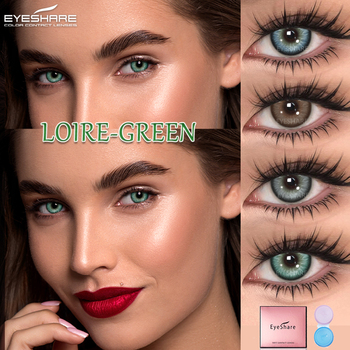
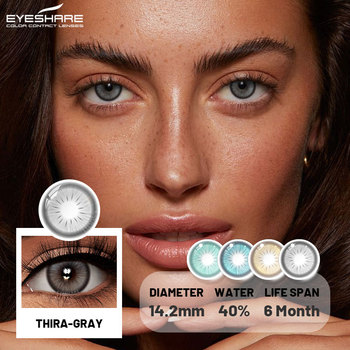
Three-Tone Soft Circle Lenses for Myopia Correction
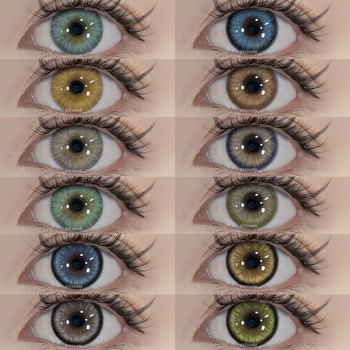
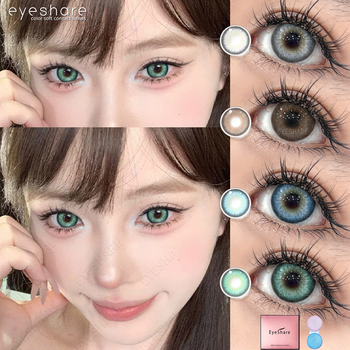
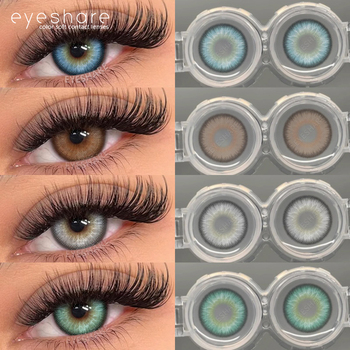
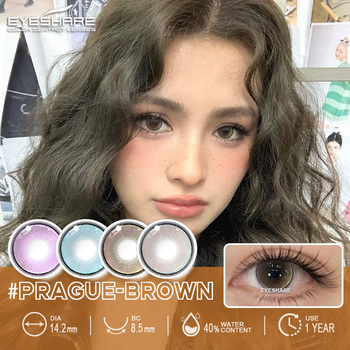
Precision Diopter Tinted Aesthetic Contact Lenses

Contact Lenses Countertop Display Shelf & Ocular Prosthesis Rack
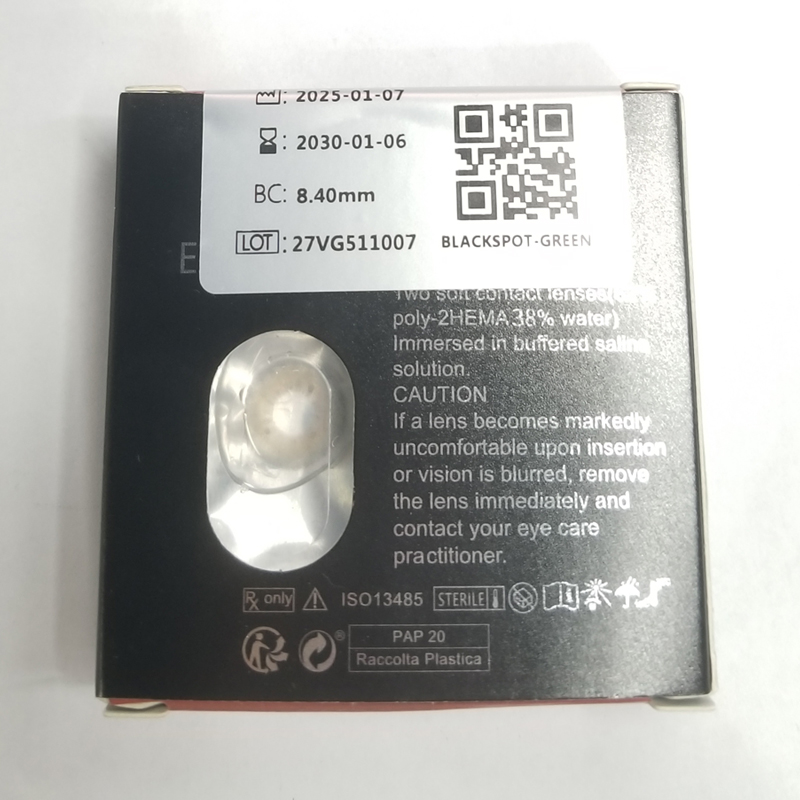
Eyeshare Custom Personal Brand Paper Packaging Box
The Korean Circle Lens Manufacturing Paradigm
South Korea is internationally regarded as the epicentre of aesthetic contact lens engineering, having pioneered the dark limbal ring and multi-tonal cast moulding technologies that dominate global beauty markets.
Circle lenses—distinguished by a dark, exaggerated outer limbal ring that creates an optical illusion of an enlarged iris—originated as an aesthetic phenomenon in South Korea in the early 2000s. Today, the Republic of Korea represents one of the world's most concentrated clusters of advanced ophthalmic polymer chemistry and automated cast moulding facilities. For optical distributors, retail chains, and private-label e-commerce brands, sourcing directly from or partnering with Korean-spec manufacturing lines offers decisive advantages in pigment safety, biocompatibility, and nuanced cosmetic pattern rendition.
Sandwich Pigment Encapsulation
Korean factories utilize double-coating cast moulding where cosmetic colorants (iron oxides, titanium dioxide, phthalocyanine) are hermetically micro-encapsulated between two sterile layers of HEMA/hydrogel material, guaranteeing zero pigment-to-cornea contact.
Edge Profile Precision
Unlike rudimentary lathe-cut lenses, Korean automated cast moulding yields hyper-thin, bevelled peripheral curves. This reduces lid interaction, stabilizes pre-corneal tear film circulation, and enables comfortable 12+ hour daily cosmetic wear.
Chromatic Dot Density (DPI)
Korean pad-printing and high-definition photolithography matrices utilize micro-dot dispersion down to 15 microns. This eliminates artificial pixelation on the iris and creates realistic tonal depth matching human stroma pigmentation.
Top 10 Korean Circle Lens Manufacturers & Exporters Matrix
An objective engineering and supply capability audit of premier South Korean contact lens manufacturing organizations.
| Manufacturer / Brand | HQ / Production Base | Core Proprietary Tech | Material Speciality | Certifications | Export Markets | OEM Flexibility |
|---|---|---|---|---|---|---|
| 1. Geo Medical Co., Ltd. | Gwangju, South Korea | Dual Layer Coating (Image Craft) | Polymacon / HEMA | KGMP CE 0120 US FDA | Global (90+ Countries) | High MOQ / Enterprise |
| 2. NEO Vision Co., Ltd. | Gyeonggi-do, South Korea | Sandwich Casting Method | 2-HEMA Hydrogel | KGMP ISO 13485 CE | Japan, SEA, Europe | Medium to High MOQ |
| 3. Interojo Inc. | Pyeongtaek, South Korea | High-Definition Aspheric Cast | Silicone Hydrogel / HEMA | KGMP CE US FDA 510(k) | North America, EU, Asia | Large Volume OEM |
| 4. Dueba Contact Lens | Gyeongsangbuk-do, South Korea | Plusier Process Encapsulation | HEMA / NVP Terpolymer | KGMP CE ISO | EU, Middle East, Asia | Flexible ODM / Mid MOQ |
| 5. Vassen Co. | Daegu, South Korea | Micro-encapsulated Limbal Dotting | Soft HEMA 38%-42% | KGMP CE KFDA | Worldwide Resellers | Cosmetic Brands |
| 6. Dreamcon Co., Ltd. | Yangsan, South Korea | Pluarl Process Technology | Silicone Hydrogel & HEMA | KGMP US FDA CE | Americas, Japan, EU | Private Label Dedicated |
| 7. Bescon Co., Ltd. | Seoul, South Korea | Cast-Moulding Aspheric Cast | HEMA / GMA Blends | KGMP ISO 9001 CE | UK, Europe, Asia | Full Contract Run |
| 8. Belmore Contactlens | Gwangju, South Korea | Color Enclosure Fusion | HEMA Conventional | KGMP CE | Southeast Asia, LatAm | Medium Scale Runs |
| 9. Polytouch Chemical | Chungcheongnam-do, South Korea | Polymeric Surface Grafting | Silicone / MPC Polymer | KGMP ISO 13485 | East Asia, North America | High-Dk/t Specialized |
| 10. G&G Contact Lens | Gyeongsangnam-do, South Korea | Full Mould Cast Printing | Soft Hydrogel | KGMP CE Mark | Middle East, Asia-Pacific | Classic Circle Specialist |
Emerging Sourcing & Technology Trends (2025–2030)
Where international consumer demand is heading and how forward-thinking buyers must structure their procurement pipelines.
1. Transition to Silicone Hydrogel (SiHy)
While traditional poly-HEMA continues to dominate price-sensitive fashion lines, tier-one circle lens lines are adopting fluorosilicone-hydrogel polymers. Buyers can expect oxygen transmissibility values climbing from 15–20 Dk/t to over 65–80 Dk/t, mitigating corneal hypoxia during prolonged daily wear.
2. Daily Disposable Dominance (1-Day Modality)
International regulatory authorities (such as the UK MHRA and US FDA) are advocating shorter replacement modalities. Daily disposable circle lenses packaged in sterile blister strips eliminate compliance friction with disinfecting solutions and reduce microbial keratitis incidence by over 80%.
3. Hybrid Biocompatible Monomers (MPC & Hyaluronic Acid)
Formulations infused with 2-Methacryloyloxyethyl phosphorylcholine (MPC) and locked-in Sodium Hyaluronate (HA) inside the blister matrix provide artificial tear film buffering. This attracts hydrophilic moisture, lowering protein deposition rates for digital-screen users.
Bridging K-Beauty Aesthetics with Resilient Supply Chains
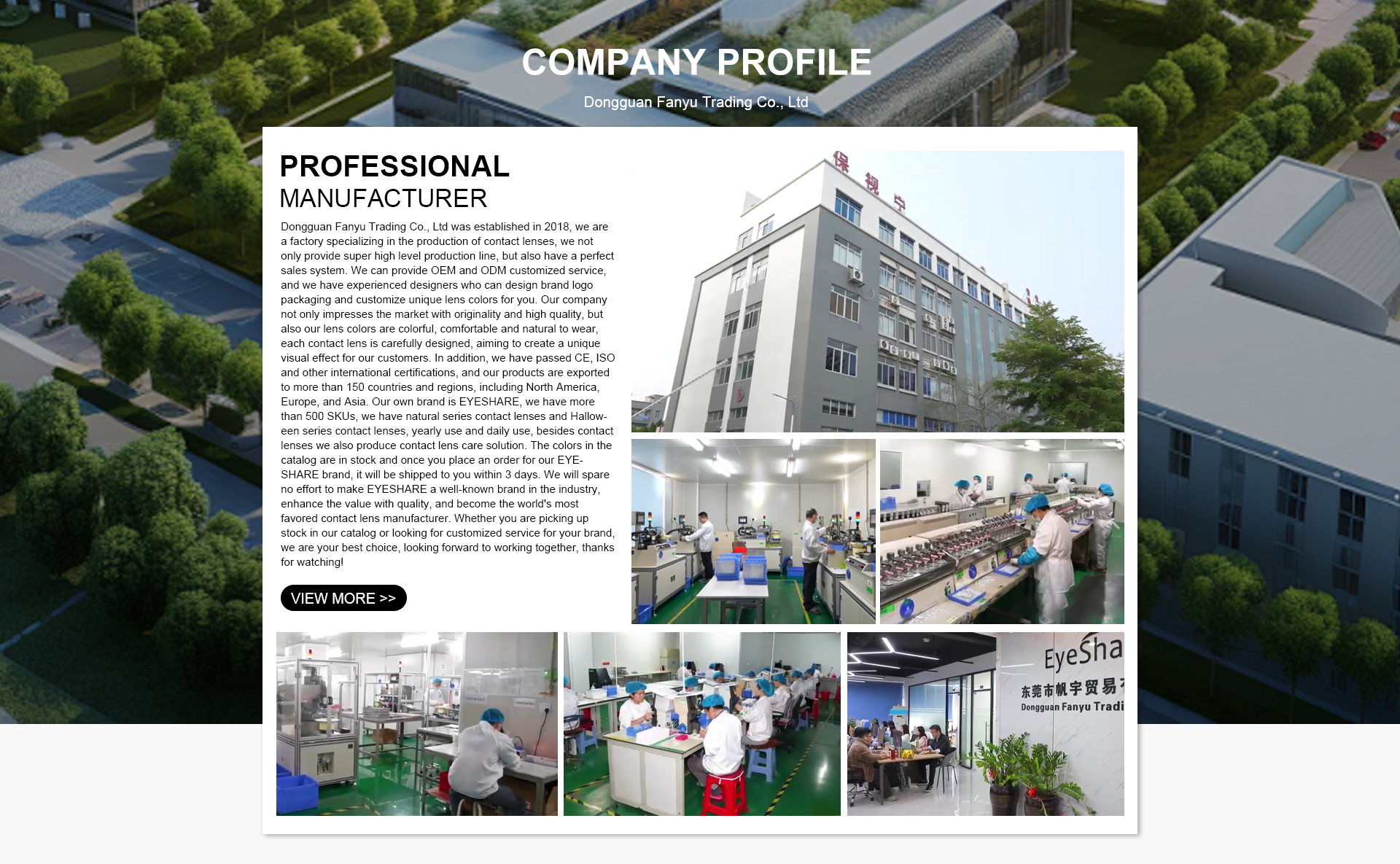
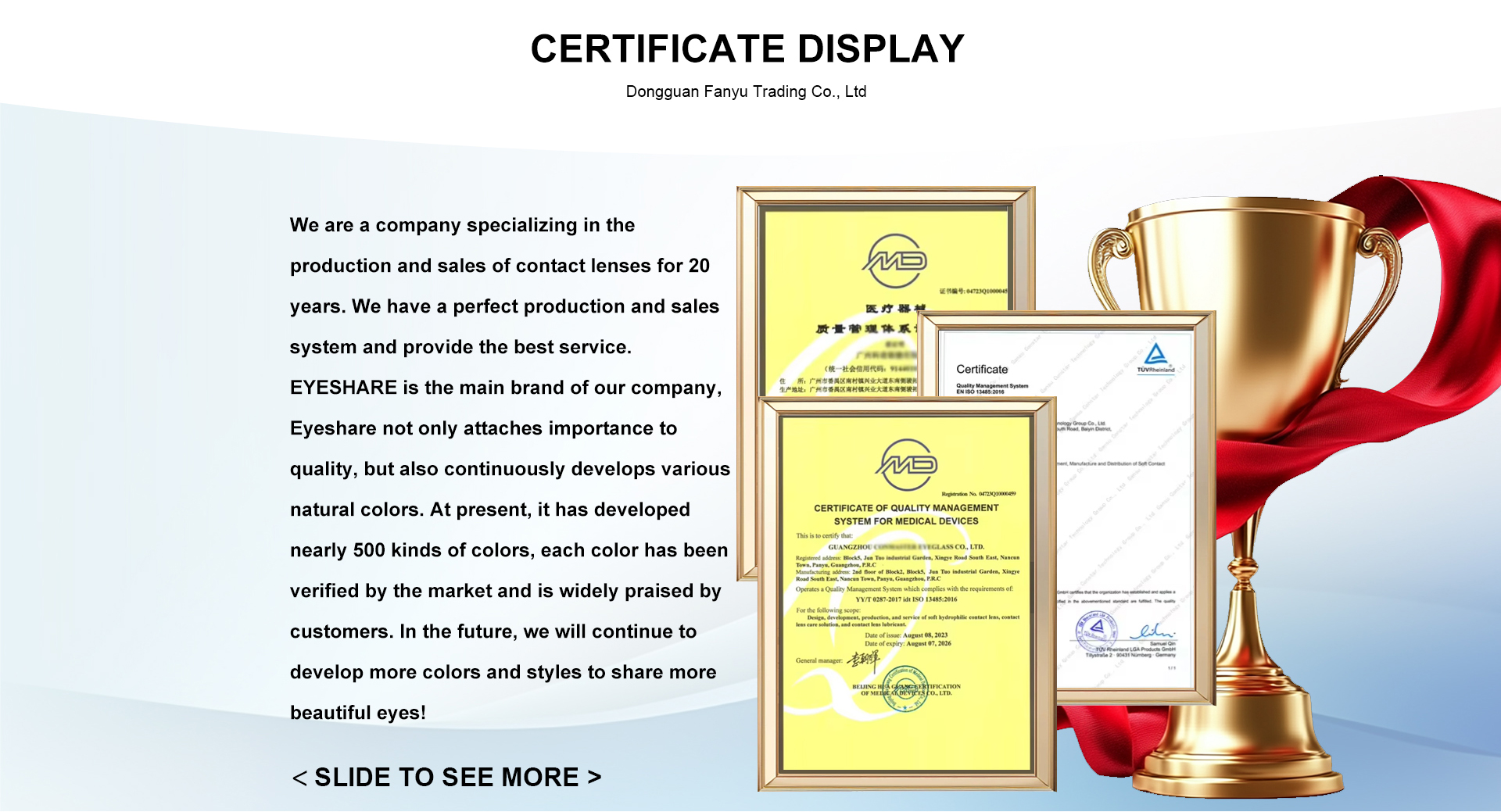
Shenzhen Eyesharelenses Co., Ltd. combines advanced aesthetic design principles inspired by Korean circle lens culture with high-capacity, cost-efficient precision manufacturing. Our SGS-audited infrastructure provides international distributors and optical retailers with institutional-grade reliability, compliance verification, and agile private-label execution.
-
✓
SGS Group On-Site Verified Facility: Operating under rigorous production auditing with certified QA/QC protocols and dedicated measuring projectors for diameter and base curve verification.
-
✓
5+ Certified Senior Optical Engineers: Over half a decade of proprietary experience in tri-tone dot matrix printing, limbal ring feathering, and lathe-free cast-moulding tooling.
-
✓
Turnkey OEM/ODM Private Label System: Comprehensive support covering customized medical-grade blister foils, custom printed carton packaging, and localized English IFU (Instructions for Use) leaflets.
-
✓
Low MOQ Sampling & Inventory Scalability: Flexible sampling from as low as 2 to 20 pairs for stock cosmetic lines, accelerating market testing without large capital commitments.


Frequently Asked Questions for B2B Importers
Critical insights on technical specifications, optical regulations, customs clearance, and private-label production runs.
Accelerate Your Circle Lens Brand with Certified Manufacturing
Connect directly with our international trade and engineering division. Request full physical sample swatches, factory auditing reports, and customized OEM/ODM pricing tiers tailored to your commercial jurisdiction.