Packaging Solution
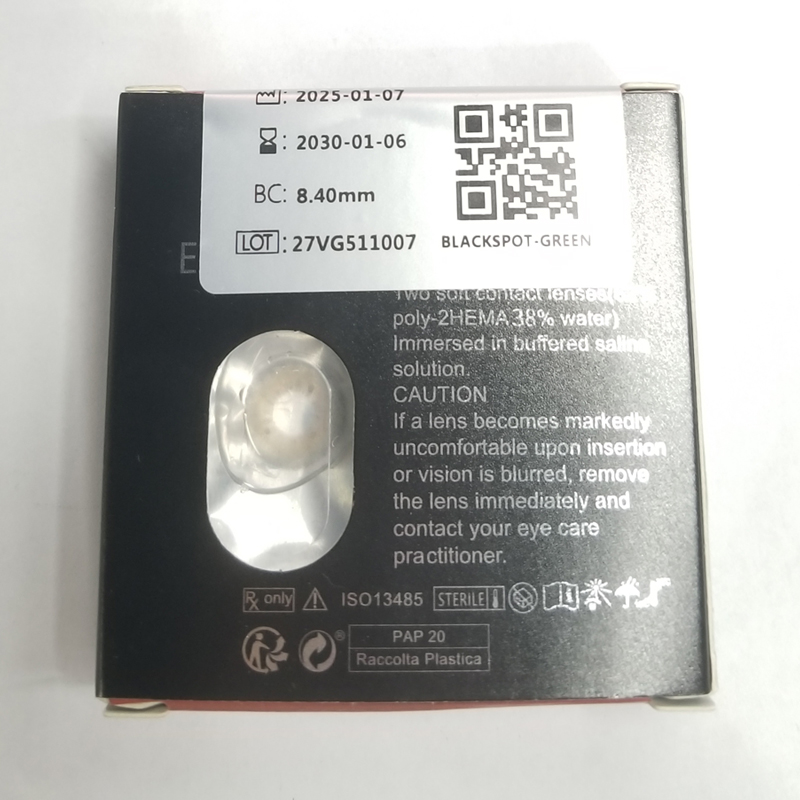
Eyeshare Personal Brand Lentes De Contacto Packing Box
Free DesignOEM CustomPaper Box
MOQ: Custom
View Details
Explore high-turnover hydrogel matrices and display units tailored for global distributors, medical-grade opticians, and fast-fashion beauty retail chains.

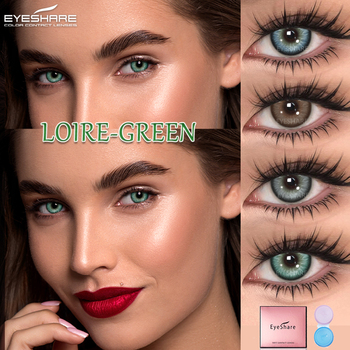
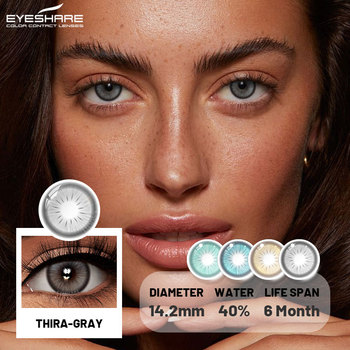
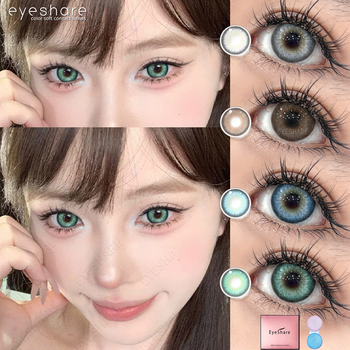
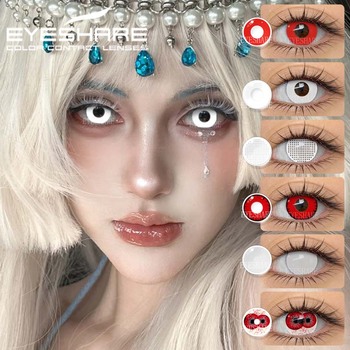
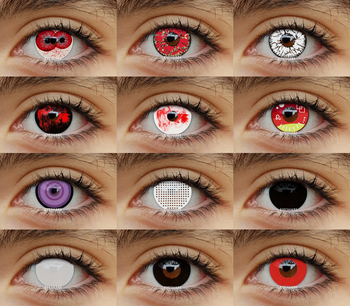
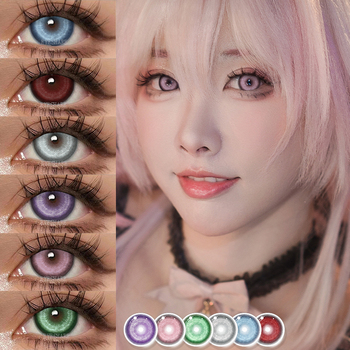
The global colored contact lens market has witnessed a paradigm shift toward East Asian manufacturing standards, historically led by the South Korean optical clusters in Daegu and Gyeonggi-do. Known globally as the cradle of cosmetic "circle lenses," Korean suppliers set international benchmarks in delicate iris textures, micro-encapsulated coloration, and biomimetic graphic diameters (G.DIA).
For B2B procurement officers, private-label directors, and licensed optical distributors in North America, the European Union, and the United Kingdom, partnering with a Korean contact lens supplier or an equivalent certified OEM partner requires rigorous scrutiny beyond catalog aesthetics. Buyers must weigh critical operational variables: regulatory dossiers (CE MDR 2017/745, US FDA 510(k), UKCA), hydrogel hydration equilibrium, and pigment sandwiching architectures that eliminate corneal micro-abrasions.
| Supplier Archetype / Tier | Manufacturing Focus | Material Engineering | Typical OEM MOQ | Regulatory Readiness |
|---|---|---|---|---|
| Tier 1: Established Daegu Foundries | Cast molding, automated high-volume daily circle lenses | Silicone Hydrogel (Si-Hy) / MPC polymers | 5,000+ pairs / SKU | FDA 510(k), CE MDR Class IIa, MFDS |
| Tier 2: Specialized Boutique Korean Labs | Intricate 3-tone artistic designs, multi-layer dot matrices | Classic Poly-HEMA (38%–42% water) | 1,000–3,000 pairs / SKU | MFDS, ISO 13485, select CE SKUs |
| Tier 3: Agile OEM/ODM Hybrid Suppliers (Eyeshare) | High-trend iteration, integrated private label, custom packaging | Refined HEMA & Bio-compatible hydrogels | 10–50 pairs (Stock) / Low OEM | SGS Inspected, CE compliant models, UK compliant |
While South Korea remains celebrated for pioneering graphic prints, agile cross-border wholesalers have optimized the supply chain by bridging Korean cosmetic aesthetics with vertically integrated, high-capacity cleanroom production. This hybrid framework empowers overseas beauty distributors to acquire authentic "K-Style" aesthetic circle lenses without enduring the prohibitively rigid MOQs and 90-day lead times typical of legacy South Korean manufacturing foundries.
Procurement directors must look beyond immediate demand cycles to align their inventories with emerging clinical safety standards, material sciences, and digital consumer preferences.
While poly-HEMA remains the undisputed workhorse for vibrant cosmetics due to stable pigment suspension, the B2B sector is pivoting toward breathable silicone-hydrogel substrates. Buyers are targeting materials with Dk/t values exceeding 80 units to cater to users wearing contact lenses past the 12-hour threshold.
Hyper-realistic visual depth is displacing blocky limbal rings. Modern retail buyers are seeking 3D micro-layering printing architectures that mimic real human stroma textures, utilizing asymmetric gradient patterns to allow natural iris tones to blend seamlessly with cosmetic pigments.
Customs authorities worldwide—notably the UK MHRA, US FDA, and EU Notified Bodies—are strictly policing cross-border cosmetic optics. Importers now actively avoid unverified traders, opting exclusively for facilities holding independent onsite verifications (such as SGS Group audits) to avoid border seizures.
The progression of cosmetic contact lens manufacturing reflects a relentless commitment to safeguarding corneal physiology while delivering unmatched pigment fidelity.
Early cosmetic lenses printed dye onto the inner concave surface, exposing ocular tissue to abrasive pigments. Modern manufacturing binds non-toxic cosmetic iron oxides and copper phthalocyanines entirely between two inert polymerized hydrogel layers, guaranteeing absolute pigment-to-cornea isolation.
Replacing traditional lathe-cutting techniques, modern foundries employ robotic optical cast-molding. This yields uniform edge bevel profiles (0.05 mm thickness) that facilitate smooth tear exchange with each blink, maintaining tear film continuity and drastically reducing foreign body sensations.
Formulations with an optimized 38% equilibrium water content balance dimensional lens durability with physiological corneal hydration. Controlled hydrophilicity reduces matrix dehydration rates under arid conditions, protecting wearers from end-of-day dryness and mechanical friction.
Direct manufacturer capabilities engineered to minimize supply chain volatility and accelerate market entry for international brands.
Our facility, production integrity, and trade credentials undergo meticulous physical assessment by SGS Group, verifying authentic ISO/CE quality management frameworks.
Staffed by 5+ certified optical engineers with over 5 years of domain expertise, supported by a 24-member dedicated export advisory team for prompt technical clearance.
From design-based packaging concepts to custom dot-matrix tint matching, we offer private-label branding with flexible, low-threshold MOQs for startup and enterprise brands alike.
Every SKU is backed by detailed inspection reports, baseline CE parameters, sterile blister batch tracing, and compliant English-language labelling tailored for strict Western customs.
Direct technical answers addressing the legal, physical, and contractual nuances of international contact lens wholesale.
Consult with our senior technical advisors on wholesale pricing tiers, custom private-label box mockups, and regulatory compliance files.
Inquire Now