Navigating Modern Hydrogel Architecture & International Device Compliance
The global contact lens landscape has evolved from a simple commodity market into a high-precision medical-device ecosystem. For international importers, clinical optical distributors, and direct-to-consumer (DTC) brands, selecting an original equipment manufacturer (OEM) in China is no longer merely an exercise in arbitrage. It is a calculated deployment of supply chain resiliency, polymer biometrics, ocular physiology safety, and multi-jurisdictional regulatory alignment (such as the UK MDR, EU MDR 2017/745, and US FDA 510(k)).
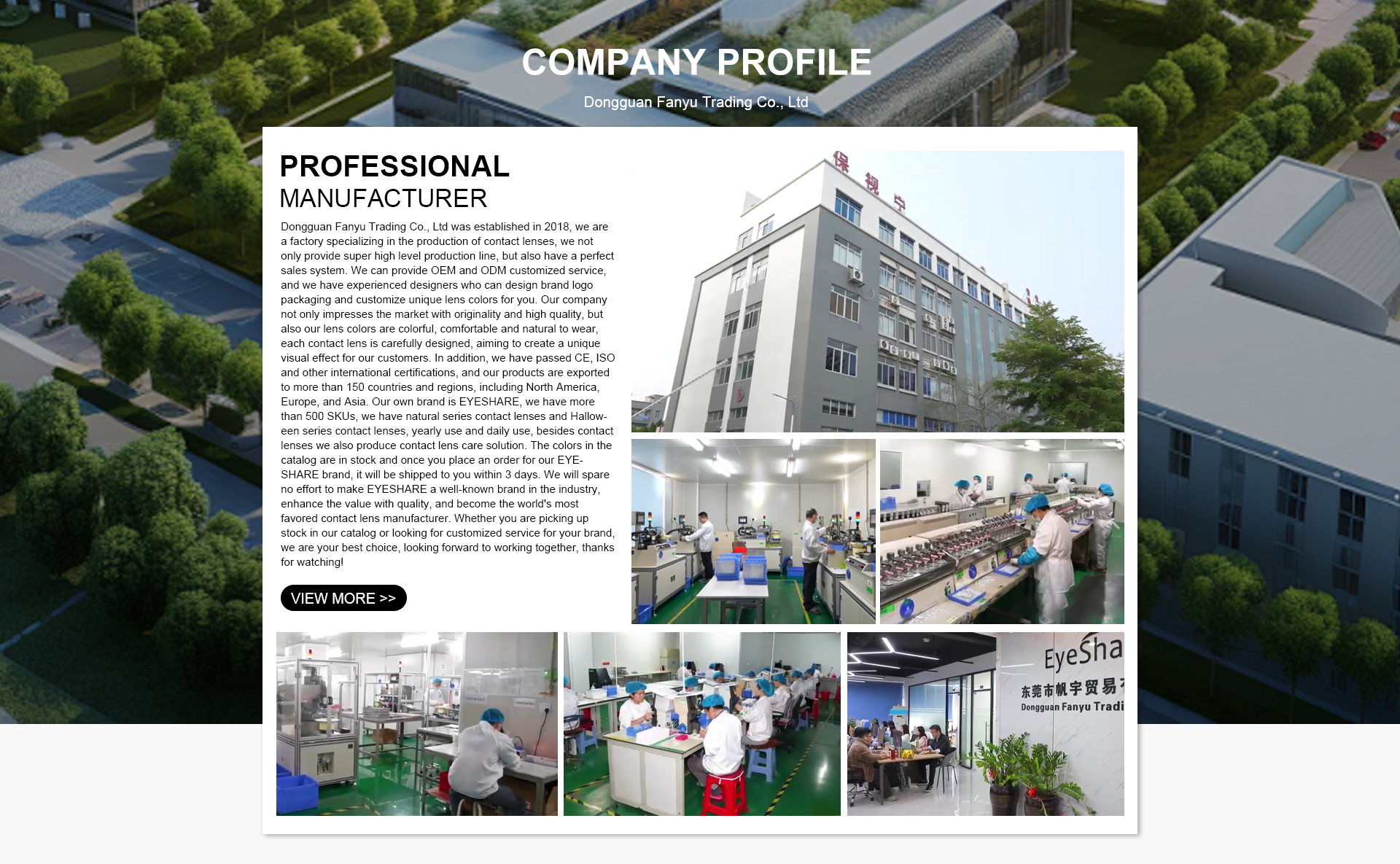
Shenzhen Eyesharelenses Co., Ltd. leads this transition by bridging advanced polymer casting processes with high-velocity private-label personalization. With audited cleanroom production facilities, in-line robotic optical inspection, and full technical documentation files, we serve established retailers and growing optical entities across the UK, Europe, North America, and Southeast Asia. This technical procurement report outlines our primary production portfolio, future material roadmaps, production verification standards, and actionable procurement insights.
Recommended Manufacturing Programs & Clinical Portfolios
Engineered for high tear exchange, biocompatible pigment isolation, and consistent edge profile geometries.

Contact Lenses Display Shelf & Prosthetic Visual Merchandiser
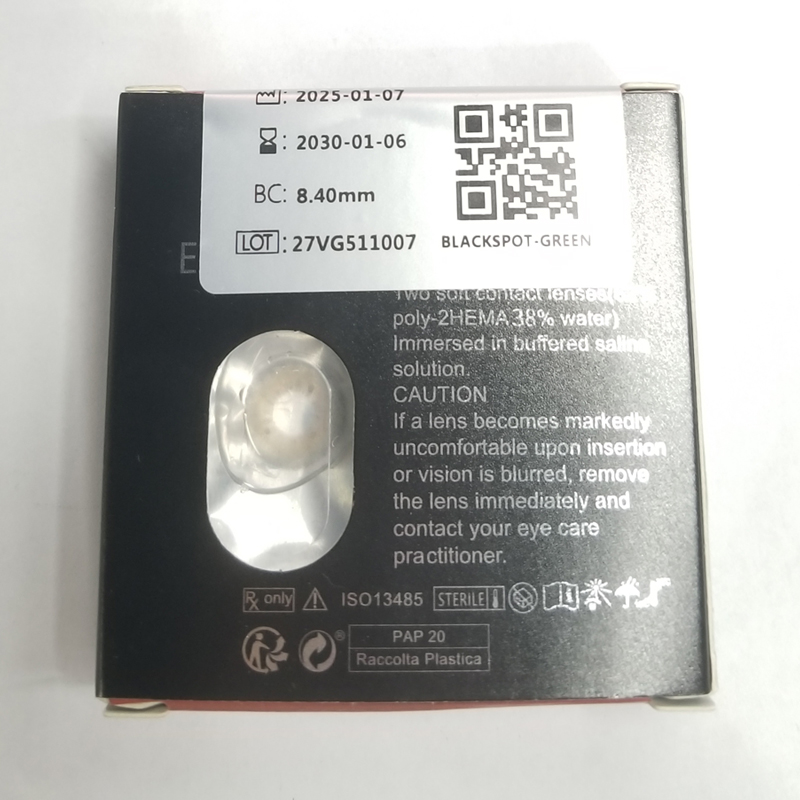
Custom Brand Packaging Box & Structural Sterile Cartons
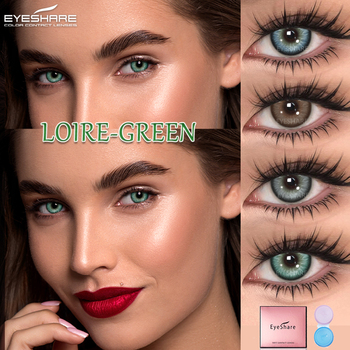
European Style Multi-Tone Iris Hydrogel Lenses
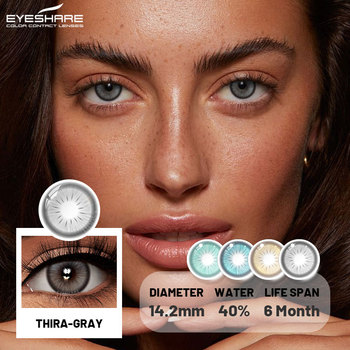
Three-Tone Functional Optical Correction Contact Lenses
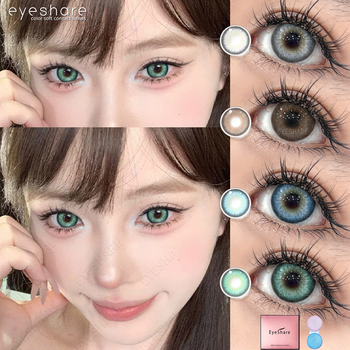
High-Oxygen Permeability 14.5mm Graphic Aesthetic Lenses
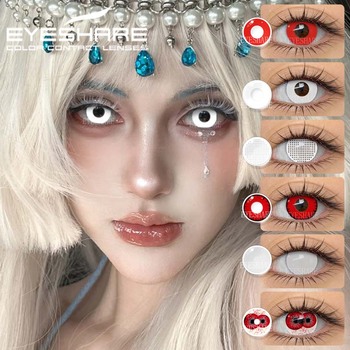
Theatrical SFX Character & High-Pigment Opaque Lenses
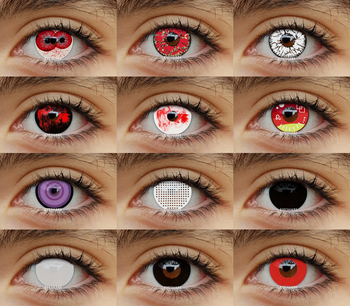
Micro-Gradient Colorimetric Soft Aesthetic Lenses
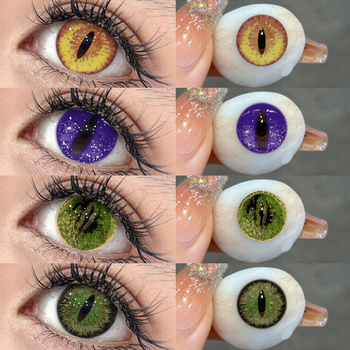
Prism-Ballasted Special Effect & Vertical Pupil Lenses
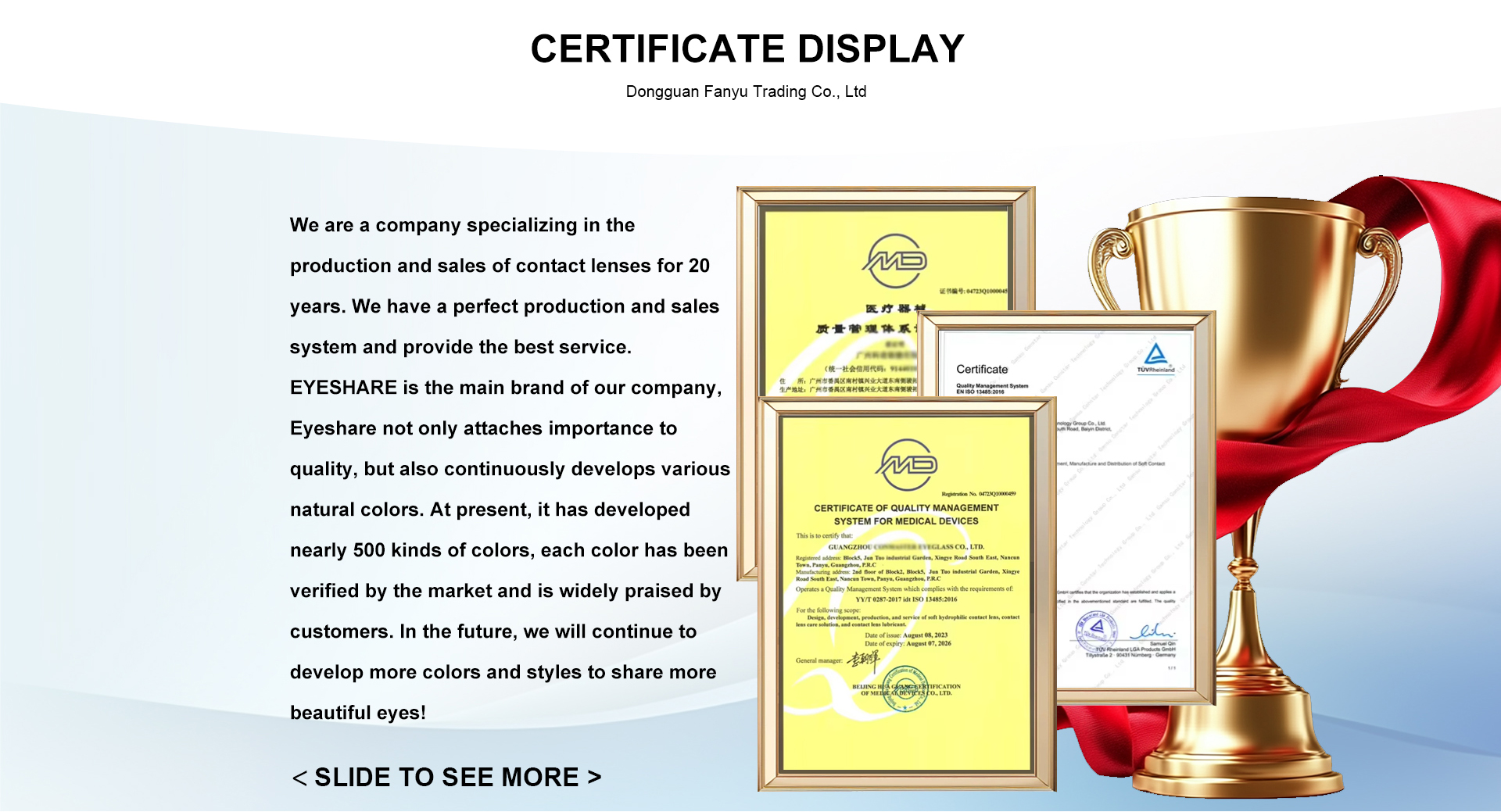

Global Sourcing Trends: 2025–2030 Optical Supply Chain
How progressive medical buyers and consumer brands optimize inventory velocity, lead times, and regulatory defense.
Agile Micro-Batch Replenishment
The era of committing to 50,000-unit production runs for a single SKU is declining. Global retailers now favor distributed manufacturing programs with stock-keeping unit flexibility. By leveraging agile tooling systems, distributors order core stock runs at low MOQs (from 10 to 50 pairs for inventory testing) and scale into dedicated seasonal bulk replenishment ahead of Q3/Q4 demand spikes.
Regulatory Traceability & UDI Integration
Border compliance agencies (such as the UK MHRA and the European Medicines Agency) require end-to-end device traceability. Sourcing frameworks are shifting toward manufacturers providing pre-formatted Unique Device Identification (UDI) barcoding, sterile lot tracking numbers, and localized Instructions for Use (IFU) in multi-language European packaging formats.
Hybrid Beauty-Optical Convergent Portfolios
The boundary between refractive vision therapy and cosmetic beauty is blurring. Sourcing managers increasingly require balanced portfolios offering plano zero-power cosmetic options alongside consistent -0.50D to -8.00D corrective ranges. This eliminates supplier fragmentation by letting cosmetic brands offer clinical-grade corrective options directly to consumers.
Contact Lens Engineering & Material Evolution
Pioneering biocompatibility: From conventional polymers to advanced hydrogel matrices and non-leaching color encapsulation.
Molecular Pigment Sandwich Encapsulation
Historical cosmetic lenses used surface printing techniques, which presented risks of abrasive contact with corneal epithelia. Modern manufacturing uses high-precision molecular encapsulation. Organic, non-cytotoxic pigments are locked between twin outer layers of clear poly-HEMA hydrogel, preventing chemical and mechanical pigment migration onto the eye.
Biomimetic Tear-Film Retention Chemistry
Digital eye strain and reduced blink frequency require improved hydration properties. Next-generation HEMA formulations integrate moisture-retention agents such as Hyaluronic Acid (HA) and Poloxamer into the saline storage solution. This reduces protein and lipid accumulation, stabilizing the pre-lens tear film for improved all-day wear comfort.
Ultra-Precision Aspheric Edge Geometry
Corneal conjunctival friction often stems from inconsistent, squared edge profiles. Advanced cast tooling uses sub-micron lathe polishing to generate tapered, aspheric edge profiles. This design promotes smooth tear exchange beneath the contact lens optic zone during each blink, supporting conjunctival health and lens stability.
Why International Brands Choose Eyeshare Lenses
Certified supply stability, engineering depth, and transparent quality assurance built for private-label scale.
SGS Onsite Verified Facility
Assessed and certified onsite by SGS Group. Production premises, cleanrooms, and testing facilities meet strict international medical distribution requirements.
Specialized R&D Engineering
Supported by 5+ senior optical engineers, each with over five years of dedicated polymer hydrogel research experience, overseeing precision cast tooling and QA workflows.
Full-Spectrum OEM / ODM Scope
From custom iris colorimetry and bespoke graphic development to complete blister pack sealing, multi-lingual folding cartons, and point-of-sale display racks.
Predictable Lead Times
Strategic inventory holding of standard optical base curves and popular pigment blanks allows fast order turnaround and reliable shipping schedules for peak retail seasons.
Rigorous In-Line Batch Testing
Every batch undergoes optical projector checks for diameter and base curve, center thickness validation, bioburden testing, and seal seal integrity checks before release.
Targeted Regulatory Support
Experienced in international shipping compliance, supporting custom blister foil documentation, batch certificates of analysis (CoA), and export clearance paperwork.
Frequently Asked B2B Procurement Questions
Direct technical answers regarding regulatory compliance, MOQ structures, customization, and quality control.
Q1: Can cosmetic lenses be legally distributed without clinical oversight?
Regulatory requirements depend on the target market. In jurisdictions such as the United Kingdom (under the Opticians Act 1989), all contact lenses—including non-corrective cosmetic and theatrical lenses—must be supplied by or under the supervision of a registered medical practitioner, dispensing optician, or optometrist. In contrast, other markets classify plano lenses under consumer cosmetic categories with specific registration rules. Importers must establish distribution workflows that comply with local medical device regulations.
Q2: What are the standard baseline Minimum Order Quantities (MOQs)?
For stock designs, our MOQs start from 10 to 20 pairs per SKU, facilitating low-risk market testing and trial sampling. For bespoke private-label packaging (custom designed blister foils, exterior folding cartons, multi-lingual IFUs), custom minimums begin around 500 to 1,000 units, while entirely custom graphic iris patterns are quoted based on tooling development scale.
Q3: What manufacturing process prevents pigment migration onto the eye?
We employ full sandwich-structure cast molding. Rather than applying surface inks onto finished polymers, biocompatible colorants are embedded between layers of hydrophilic polymer material (poly-HEMA). This locks the pigments entirely inside the lens structure, ensuring that colorants never touch the corneal surface or the palpebral conjunctiva.
Q4: How do you assure base curve and diameter precision across batches?
Our facilities use automated optical non-contact projectors and laser interferometry to measure sagitta height, base curve (typically 8.5mm to 8.6mm), and overall diameter (14.0mm to 14.5mm). Wet-state automated imaging systems check each lens for edge micro-fractures, voids, and inclusion defects to preserve batch-to-batch consistency.
Q5: What replacement schedules and wear modalities do you offer?
We supply daily disposable (1-day wear), monthly, half-yearly, and yearly replacement lenses. The majority of our wholesale colored portfolio is optimized for half-yearly and yearly wear using durable poly-HEMA polymers with ~38% water content. This profile delivers structural stability, tear-film compatibility, and low dehydration rates over extended wear periods.
Q6: What lead-time planning is recommended for peak seasonal volumes?
For major seasonal peaks—such as theatrical, festival, and Halloween costume periods (September–October)—orders should be confirmed by late June or mid-August. This window allows adequate time for custom packaging production, cleanroom casting, sterilization cycles, batch QA release, and international air or sea freight customs clearance.