Certified Wholesale Contact Lenses & Optical Displays
Engineered with high-purity Poly-HEMA material, 38% equilibrium water content, and multi-layer sandwich pigment entrapment for exceptional ocular comfort and optical clarity.

Contact Lenses Display Shelf & Prosthetic Eye Showcase
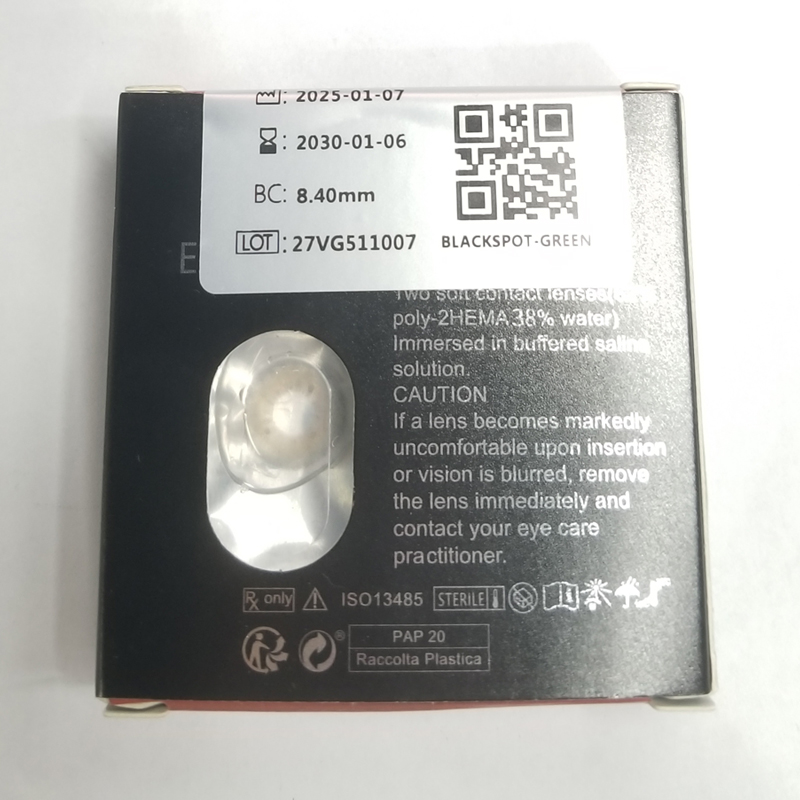
Custom Personal Brand Packaging Paper Box & Blister Sets
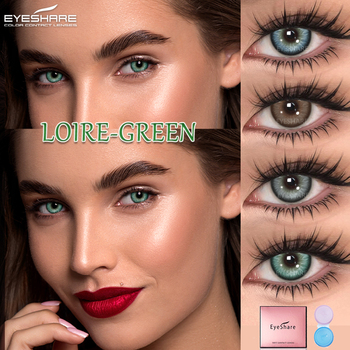
European Style Big Size Natural 14.5mm Soft Lenses
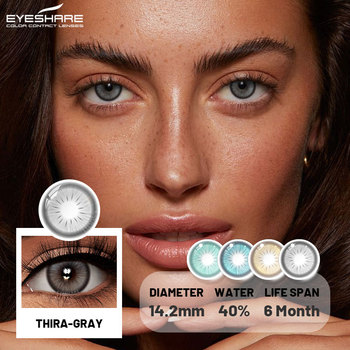
Three-Tone Multi-Focal Aesthetic Soft Contact Lenses
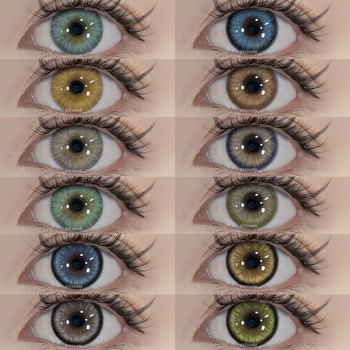
Natural Three-Tone European CE Standard HEMA Lenses
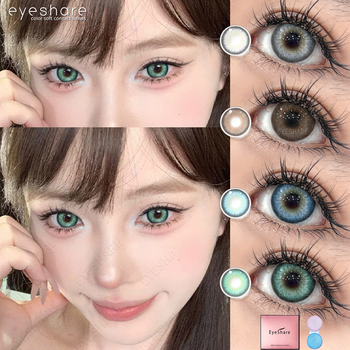
High Oxygen Transmissibility 14.5mm Daily/Yearly Lenses
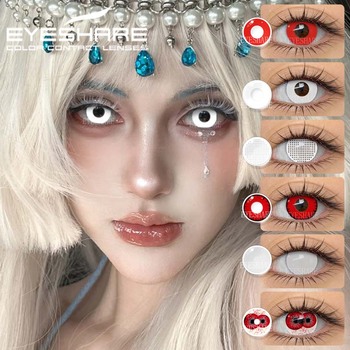
Opaque Theatrical Crazy Red & Yellow FX Contact Lenses
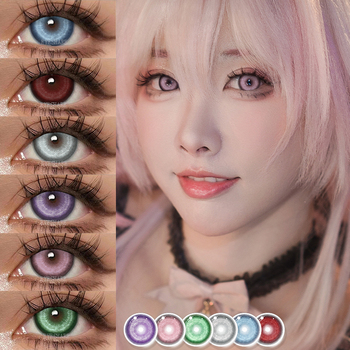
Total Sclera Black-Out & Anime Special Effects Lenses
Shenzhen Eyeshare Lenses Co., Ltd Industrial Capabilities
Operating as a world-class contact lens factory and global OEM/ODM supplier, Shenzhen Eyeshare Lenses Co., Ltd specializes exclusively in high-grade hydrophilic soft contact lenses, custom packaging engineering, and specialized clinical display systems. With more than 6 years of international market supply, our production lines bridge the critical gap between medical-grade optical stability and cutting-edge fashion cosmetics.
Every production batch manufactured within our Class 100,000 cleanroom environments adheres strictly to ISO 13485 medical device quality management protocols. Our facility has undergone rigorous, non-biased onsite assessment by SGS Group, validating our production capacity, trade authenticity, and finished product inspection rigor. We assist international procurement managers, British GOC-registered opticians, European private labels, and US distribution chains in securing reliable supply lines free from regulatory bottlenecking.
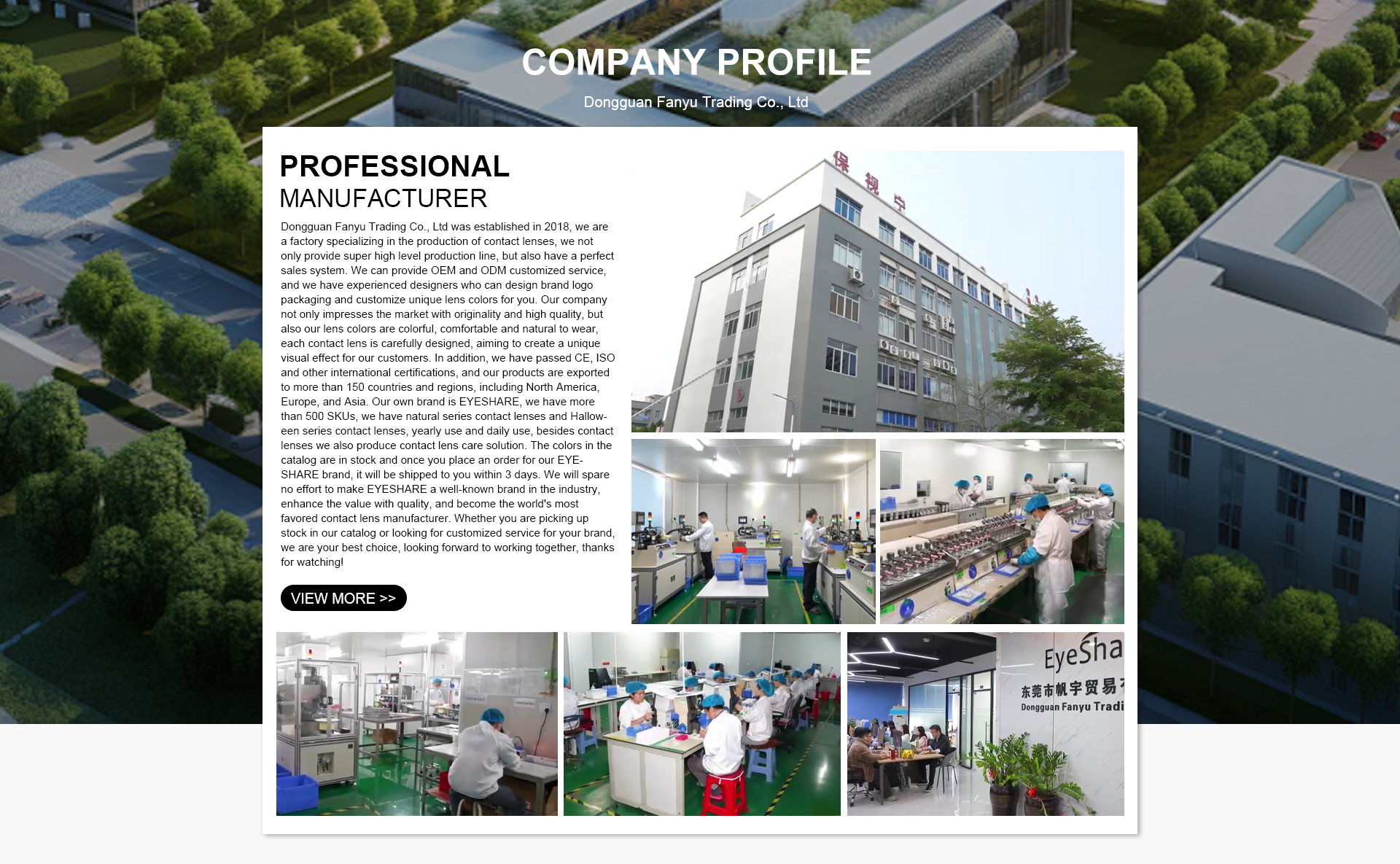

Factory Verified Onsite: Full transparency across precision measurement apparatus, projection vertexometers, edge profile monitors, and biostability testing.
Contact Lens Technological Breakthroughs & Manufacturing Evolution
The cosmetic contact lens manufacturing sector has shifted from basic decorative tinting to advanced biomaterial synthesis and micro-engineered ocular optics. Understanding these technical nuances guarantees compliance and high consumer retention.
Advanced Cast-Moulding Technology
Unlike antiquated lathe-cutting methods that leave microscopic striations causing mechanical eyelid abrasion, our facility employs precision injection cast moulding using micro-machined quartz and copper alloy matrices. This achieves mirror-smooth edge contours (less than 0.05mm margin tapering), significantly reducing mechanical friction across the limbus and conjunctiva.
- Ultra-smooth bevelled edge geometry
- Uniform sagittal depth (0.01mm tolerance)
- Automated optical bench inspection
Sandwich Color Layer Encapsulation
Consumer safety hinges directly on non-cytotoxic pigment retention. Our proprietary 3-layer pad printing inserts medical-grade iron oxide and titanium dioxide pigments between two non-permeable cross-linked Poly-HEMA films. This guarantees zero dye elution even when exposed to modern multipurpose hydrogen peroxide contact lens cleaning systems.
- 100% cellular detachment protection
- Zero direct epithelial contact
- UV-400 broad-spectrum monomer integration
Equilibrium Water & Oxygen Permeability
Balancing moisture evaporation and corneal oxygen delivery is essential for ocular health during 8 to 12-hour continuous wear. By formulating Poly-2-hydroxyethyl methacrylate with targeted hydrophilic cross-linking agents, we maintain a 38% water content that prevents lens dehydration and avoids draining tear film from the precorneal space.
- Stable Dk/t prevents corneal neovascularization
- Resistance against lipid/protein deposition
- High tensile tear strength for extended handling
Technical Specification Matrix: Standard vs. Eyeshare Enterprise Grade
Detailed manufacturing tolerance comparative data for engineering compliance review.
| Parameter / Quality Index | Conventional Market Standard | Eyeshare Lenses Factory Grade | Procurement Benefit for Retailers |
|---|---|---|---|
| Color Encapsulation Technique | Surface pad printing or semi-sublimation | True 3-Layer Intercalated Sandwich | Eliminates consumer cornea irritation risk; passes ISO 10993 cytotoxicity assays. |
| Water Content Equilibrium | 42% - 45% (pronto-drying in dry climates) | 38% Optimized Low-Dehydration HEMA | Prevents dry-eye complaints in air-conditioned offices and indoor venues. |
| Edge Contour Margin | Square cut or rough bevel (lathe) | Full Cast Radial Cast-Moulded Contour | Near-zero foreign body sensation during blinking; rapid consumer adaptation. |
| Sterilization Profiling | Basic chemical bath or non-validated steam | Moist Heat Steam Autoclave (121°C, 30 min) | Guarantees Sterility Assurance Level (SAL) 10-6; documented batch autoclave charts. |
| Corrective Power Options | Plano (0.00) only | Plano (0.00) through -8.00D (in 0.25D/0.5D steps) | Expands sales to the 60%+ of contact lens wearers requiring refractive correction. |
Global Contact Lens Procurement Trends (2025–2030)
Sourcing directors who monitor regulatory shifts, changing consumer wear frequencies, and environmental packaging trends retain superior market positioning and margin defense.
Regulatory Hardening & Compliance
National health watchdogs—including the UK MHRA, EU Medical Device Regulation (MDR 2017/745 Class IIa), and the US FDA—are strictly classifying cosmetic zero-powered lenses under medical device frameworks. Procurement teams are consolidating orders with manufacturers who provide traceable technical files, audit reports, and certified English IFU leaflets.
The Shift Toward Shorter Replacement Cycles
While yearly disposable lenses continue to dominate budget retail channels, global consumer preference is migrating toward daily disposable and monthly replacement formats. Daily blisters reduce user contamination hazards and eliminate the ongoing purchase of chemical disinfection solutions, fueling recurring monthly replenishment subscription models.
Micro-Customization & Private Labeling
Generic wholesale inventory is experiencing price compression. High-growth beauty and optical retailers are commissioning proprietary iris patterns, personalized packaging boxes, and custom-tinted limbal rings. Modern suppliers must support lower Minimum Order Quantities (MOQs) on custom packaging to accelerate branded dropshipping and omnichannel launches.
Full-Stack Contact Lens Brand Incubation
From custom optical pattern rendering to final sterile blister sealing and carton packaging, we manage your complete product lifecycle.
Pattern Engineering & Sampling
Select from our catalogue of over 300 natural, multi-tone, and theatrical FX patterns, or provide your custom color artwork. On-eye pre-production samples delivered within 10 to 14 business days.
Sterile Primary Packaging
Encapsulate lenses in pharmaceutical-grade glass vials with tear-off aluminium crimp seals or PP sterile blisters sealed with medical-grade multi-layer foil resistant to puncture and moisture loss.
Secondary Packaging & Compliance
Complete custom paper folding boxes with embossed, matte, or holographic finishes. Includes batch-coded lot numbering, expiry stamping, GS1 barcodes, and localized multi-lingual user instructions (IFUs).
Frequently Asked Questions for B2B Importers
Critical legal, clinical, and logistical solutions designed for opticians, commercial distributors, and e-commerce brand founders.
What are the strict legal prerequisites for selling coloured lenses in the UK?
Under the Opticians Act 1989, all contact lenses—including zero-powered cosmetic, novelty, and Halloween lenses—are legally defined as medical devices. They must be dispensed by or under the direct supervision of a General Optical Council (GOC) registered optometrist, dispensing optician, or registered medical practitioner. Overseas manufacturers must appoint a UK Responsible Person (UKRP) to register medical devices with the MHRA. We provide full technical dossier support to ensure your distribution network complies seamlessly.
What are your standard Minimum Order Quantities (MOQs) across stock vs OEM?
For in-stock catalog models, our standard MOQ is exceptionally low at 10 to 20 pairs per colorway, enabling optical practices and boutique retailers to trial small collections without holding excess inventory. For customized OEM projects (including personalized foil blisters and branded packaging paper boxes), our custom packaging MOQ starts at 500 units, with scalable price brackets for high-volume container shipments.
How does Eyeshare Lenses verify microbiological safety and batch sterility?
Sterilization takes place in specialized computerized industrial autoclaves utilizing high-temperature moist steam at 121°C for 30 minutes, achieving a Sterility Assurance Level (SAL) of 10-6. Each production batch undergoes rigorous 14-day incubation bioburden checks, endotoxin testing, and pH buffer stabilization before warehouse release. Complete Certificates of Analysis (COA) accompany every export manifest.
Can we order colored contact lenses with corrective prescription (myopia) powers?
Yes. While cosmetic plano (0.00 diopter) lenses represent our highest volume in Halloween FX, our standard natural three-tone collections can be manufactured with spherical correction ranging from -1.00D to -8.00D (in 0.25D increments up to -6.00D, and 0.50D increments thereafter). Base curves are calibrated at 8.5mm to 8.6mm with optical diameters between 14.0mm and 14.5mm.
What is the optimal purchasing timeline for seasonal Halloween inventory?
Global consumer demand for cosplay and Halloween theatrical lenses surges drastically from September through late October. Because custom factory production requires 20–30 days and international air/sea freight with customs clearance adds another 7–25 days, corporate buyers should complete sample approvals in June or July and confirm bulk orders no later than mid-August to ensure store shelves are stocked by late September.
How do you safeguard against pigment migration and dye toxicity?
Our factory utilizes a micro-encapsulated sandwich manufacturing methodology. Medical-grade pigments are intercalated between polymerized layers of Poly-HEMA, meaning the pigment matrix is physically isolated inside the hydrogel mesh. This design passes rigorous swab rub tests, acetone wash tests, and corneal epithelial cytotoxicity trials, completely eliminating the risk of dye leaching onto the ocular surface.
Initiate Your Contact Lens Supply Partnership
Connect directly with our senior optical engineering and export division. Request complete product catalogs, wholesale pricing schedules, and compliance validation dossiers today.