Top China Cosmetic Contact Lens Factory China Manufacturers & Wholesaler
Precision Engineering, Verified Medical-Grade HEMA Production & Strategic Global B2B Supply Chains
Curated Wholesale Portfolio
Engineered for High Retention: Top Contact Lens Lines
Source industry-compliant cosmetic, natural, and prosthetic eye contact lenses designed to satisfy the rigorous technical thresholds of global optometrists, clinical retailers, and high-growth beauty distributors.
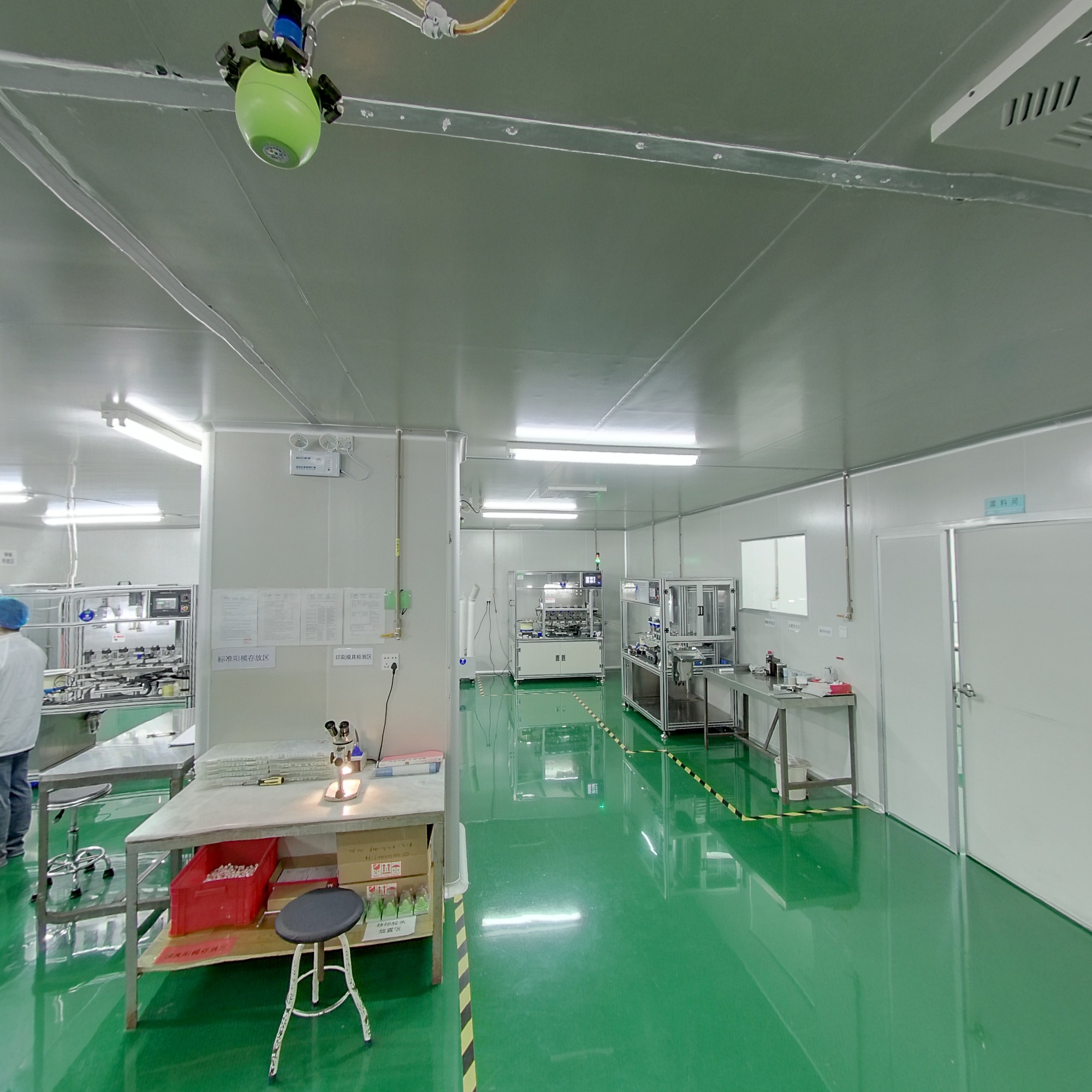
Shenzhen Eyesharelenses Co., Ltd. operates at the intersection of medical device compliance and advanced ocular aesthetics, delivering uncompromised quality audited onsite by global inspection leaders.
6+Years Dedicated Exporting
4.8/5Audited Supplier Rating
100%Finished Batch Optical Testing
5+Senior Optical Engineers
SGS Onsite Verified Audits
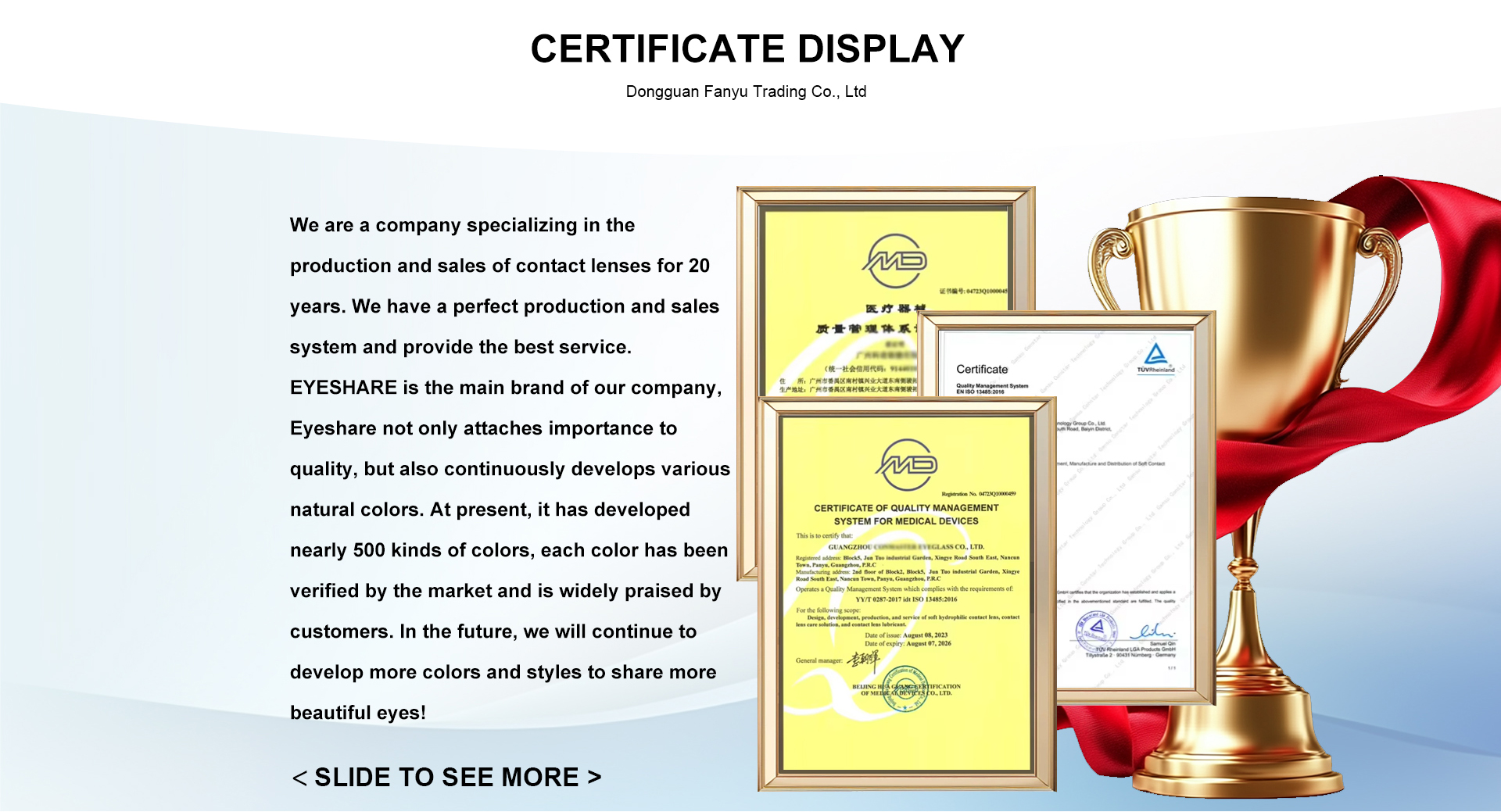
Our complete facility, cleanroom standards, business entity registration, and trade integrity undergo strict SGS Group onsite inspections, ensuring zero regulatory risk for international brand owners and clinical importers.
Encapsulated Sandwich Micro-Color
Colorants are permanently sealed between two biocompatible layers of poly-HEMA hydrogel. Pigment particles never contact the corneal epithelium, guaranteeing high lubricity, physiological breathability, and zero toxicity.
Turnkey OEM/ODM Localization
From English-compliant Instruction-For-Use (IFU) leaflets and barcode tracking to customized blister sealing and boutique paper boxes, our engineering team manages complete private-label creation with rapid prototype turnaround.
Strategic Procurement Shift: The Evolution of China's Contact Lens Manufacturing Hub
The global marketplace for cosmetic and corrective contact lenses is undergoing a seismic reallocation of manufacturing dependencies. Historically centered within regional optical pockets in Western Europe and South Korea, wholesale procurement directors are increasingly centralizing their supply contracts with premium Chinese medical-grade facilities. This structural transition is driven not merely by competitive labor economics, but by substantial capital reinvestment into fully automated cast-molding lines, robotic automated optical inspection (AOI) systems, and vertically integrated supply ecosystems.
Modern Chinese contact lens manufacturing operates under high-standard medical device quality management frameworks conforming to ISO 13485:2016. At Shenzhen Eyesharelenses Co., Ltd., technical performance is audited across every production stage. Utilizing advanced cast-molding methodologies, we achieve sub-micron tooling precision, eliminating edge inconsistencies and irregular surface topography that traditionally caused peripheral corneal staining and physical lens intolerance. Our poly-HEMA formulation maintains an equilibrium water content of ~38%, perfectly calibrated to prevent secondary tear-film dehydration while optimizing oxygen transmissibility (Dk/t) for stable tear exchange throughout long wear cycles.
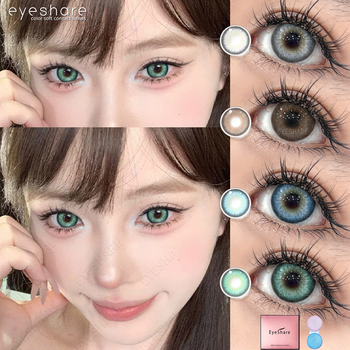
Moreover, the integration of advanced three-tone color layering mimics the intricate radial architecture of the human iris. Our proprietary micro-encapsulation techniques prevent reactive oxidative pigment leaching, allowing clinical B2B distributors in tightly regulated markets—such as the UK, the European Union, and North America—to confidently satisfy local health authority verifications without sacrificing visual vibrancy or tactile consumer comfort.
For wholesale category buyers, opticians, and e-commerce brand aggregators, maintaining an agile supply chain requires anticipating market trajectories over a 24-to-36-month horizon. Sourcing data highlights three dominant procurement shifts impacting cosmetic contact lens distribution:
1. Regulatory Traceability & The Transition to Stricter Certification: Compliance frameworks such as the UK Medical Devices Regulations (MDR) and the EU MDR 2017/745 have fundamentally changed international imports. Buyers can no longer rely on unverified intermediary brokers. Direct partnership with audited factories capable of providing complete Technical Files, Stability Testing Data, Cytotoxicity Assessments, and English IFU documentation is paramount. Sourcing strategies now prioritize verified manufacturers with existing SGS onsite assessments to insulate supply channels against port delays and regulatory border halts.
2. Replacement Cycle Modernization: While half-yearly and yearly replacement lenses remain significant profit drivers in emerging markets and costume/theatrical segments, developed markets are demonstrating accelerated transition toward quarterly, monthly, and single-use daily disposable cosmetic modalities. B2B purchasers must align with manufacturing partners possessing adaptable high-speed blister packing machinery capable of scaling daily disposable volumes without disproportionate tooling costs.
3. Dual-Purpose Aesthetic & Optical Prescription Convergence: The bifurcation between purely decorative cosmetic lenses and refractive vision correction is collapsing. Modern consumers demand high aesthetic sophistication combined with accurate sphere (-0.50 to -8.00) and toric astigmatic correction. Procurement directors must secure factory contracts that offer expansive in-stock power ranges within the same artistic colorways, drastically reducing SKU complexity and order-fulfillment latency.
The next iteration of cosmetic lenses is being defined by structural material science and sophisticated bio-mimetic pigment printing:
Silicone Hydrogel Composite Materials: While conventional HEMA polymers dominate the color contact lens sector due to their superior wettability and dimensional stability during printing, next-generation research is prioritizing modified silicone hydrogel (SiHy) matrices. SiHy formulations yield exponentially higher oxygen permeabilities (Dk values exceeding 80–100), effectively removing hypoxic barriers and supporting longer wearing regimens for digital lifestyle users.
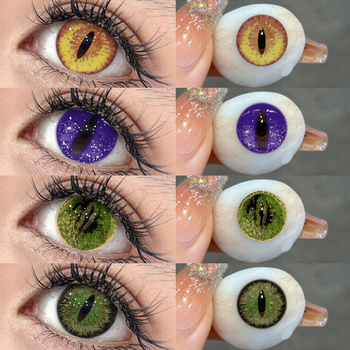
High-Definition Photorealistic & Theatrical Pigment Micro-Arrays: Traditional dot-matrix printing is being replaced by high-definition digital micro-plate stamping. This creates ultra-fine gradient transitions from the pupillary aperture to the outer limbal ring. In the cosplay, theatrical, and SFX spheres, innovations like prism-ballast non-rotational weighting ensure that specialized slit-pupil cat-eye designs and complex geometric anime motifs remain vertically stabilized on the cornea regardless of involuntary ocular saccades.
Integrated Surface Barrier Treatments: Advanced plasma oxidation surface treatments and hyaluronic acid (HA) hydrating agent infusions directly within the storage matrix reduce protein and lipid bio-adsorption. The result is a smooth, lubricious surface that repels debris, reduces mechanical friction against the palpebral conjunctiva, and supports fresh, comfortable wear from insertion to removal.
Knowledge Base & Diligence
Frequently Asked Questions for Wholesale Sourcing
Critical operational, regulatory, and logistics answers designed to streamline your vendor evaluation process.
What are the standard lens technical specifications manufactured at your facility?
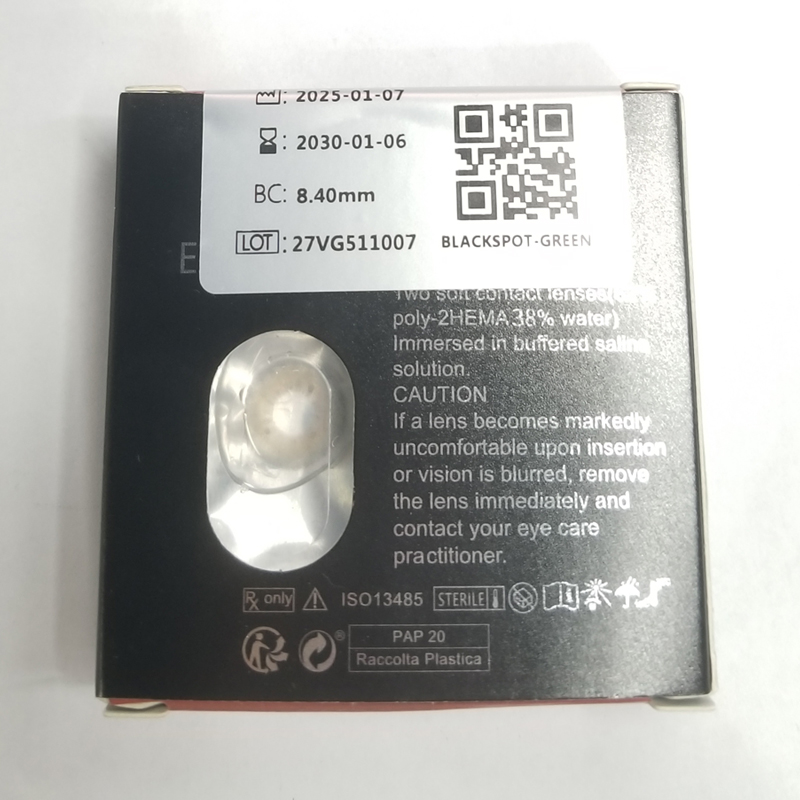
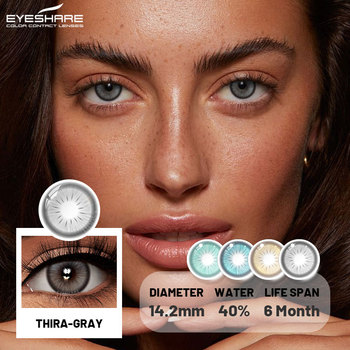
Our core cosmetic and prosthetic lines are engineered using medical-grade poly-HEMA hydrogel, featuring a water content balanced at ~38% for structural durability and long-term hydration. Lens diameters range from standard natural diameters (14.0 mm, 14.2 mm) to dramatic enlarging and costume circle sizes (14.5 mm). Base curves are calibrated to 8.5 mm – 8.6 mm to achieve comfortable anatomical fit profiles across diverse demographic patient groups. Lenses are offered in Plano (0.00 power) and extended myopia power runs (-1.00 to -8.00).
How does the factory prevent pigment toxicity and guarantee eye safety?
We strictly employ a semi-cast sandwich encapsulation process. Bio-inert cosmetic pigments are permanently locked inside an inner cavity surrounded entirely by purified hydrogel material. At no point do the pigments contact either the corneal epithelium or the inner tarsal conjunctiva. Every batch undergoes strict finished-product extraction, cytotoxicity testing, and slit-lamp surface integrity analysis to eliminate concerns regarding dye leaching or friction trauma.
What is the minimum order quantity (MOQ) for standard wholesale versus custom private-label runs?
For cataloged in-stock SKUs, our wholesale entry thresholds are designed for retail agility: stock orders typically begin at 10 to 20 pairs per colorway, with select trial and sampling programs available from 2 pairs. For full OEM/ODM brand deployment—including custom-designed outer folding boxes, tailored blister foil stamping, unique multi-tone iris printing, and targeted IFU inserts—MOQs are quoted flexibly based on overall SKU composition and packaging complexity.
How do you assist international importers with local regulatory compliance?
Contact lenses are classified worldwide as Class II medical devices (e.g., under the UK MHRA, EU Medical Device Regulation, and US FDA). As a verified manufacturer audited onsite by SGS Group, we supply complete technical files, Certificate of Analysis (COA) per production lot, sterilization validation documents, and English-language labeling packages. For buyers in jurisdictions requiring appointed local representatives (such as a UK Responsible Person or EU Authorized Representative), we assist your regulatory affairs team with the necessary compliance dossiers.
What is the optimal ordering timeline for seasonal surges such as Halloween?
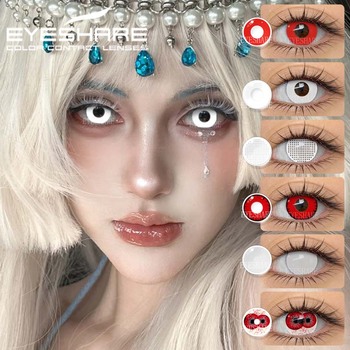
Halloween, theatrical, and convention seasons account for massive global consumer retail spikes in September and October. To manage overseas air/ocean transit, customs clearance, and local shelf-stocking buffers, we strongly advise placing wholesale seasonal production orders no later than mid-August. Early summer bookings (June–July) guarantee priority access to high-demand theatrical models such as white-out, mesh, vampire red, and toric-stabilized cat eyes.
What are your quality control procedures before shipment dispatch?
Our QC department, supported by certified optical inspection engineers, executes a multi-point verification protocol on 100% of finished lots. This includes automated optical measurement of center thickness, sag height, base curve radius, and total diameter; high-magnification edge inspection to verify clean edge geometry; and sealed-vial autoclave sterilization validation at 121°C. Inspection reports accompany high-volume commercial dispatches.
Launch or Scale Your Contact Lens Line With a Verified Manufacturer
Connect directly with our engineering and B2B trade specialists to review product catalogs, request sample pairs, or engineer a custom private-label packaging program tailored to your target territory.