Prosthetic Tech

Contact Lenses Display Shelf & Prosthetic Optical Showcase
Custom Acrylic
Point-of-Sale
Modular Unit
Verified medical-grade manufacturing pipelines delivering micro-pigmentation encapsulation, optical stability, and bespoke commercial presentations.
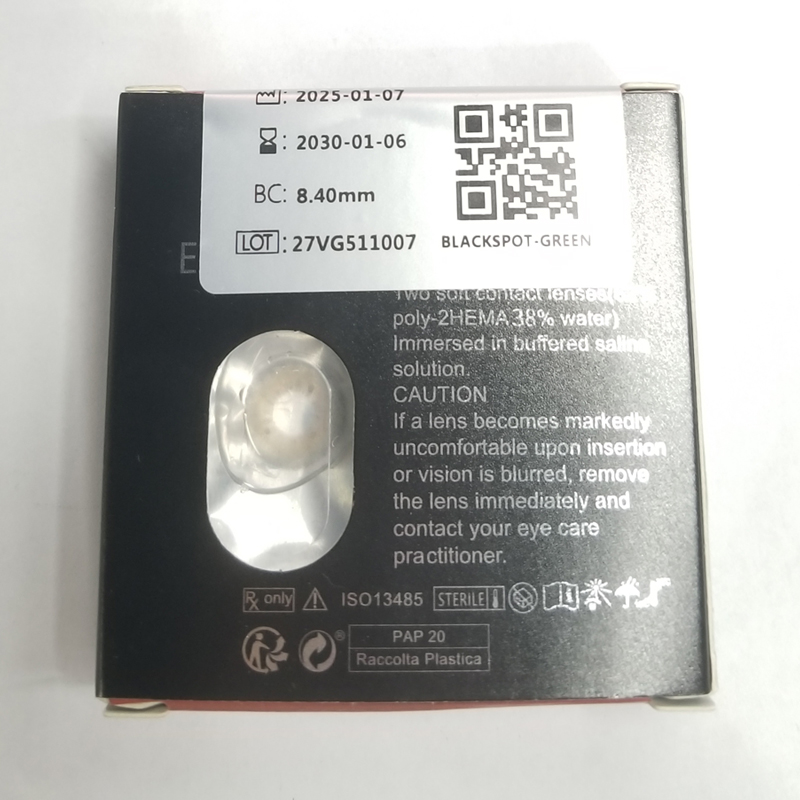
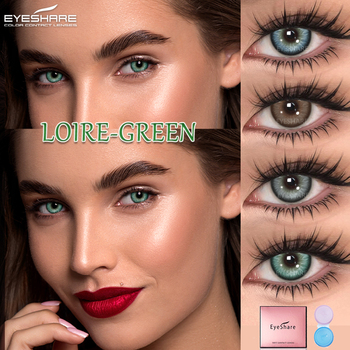
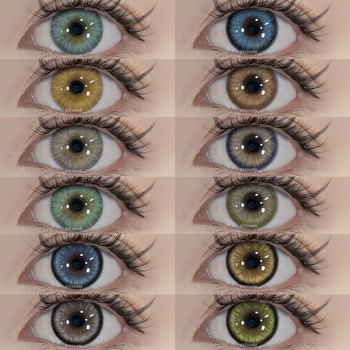
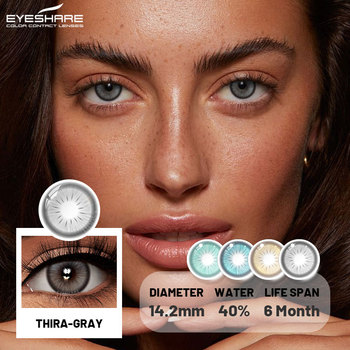


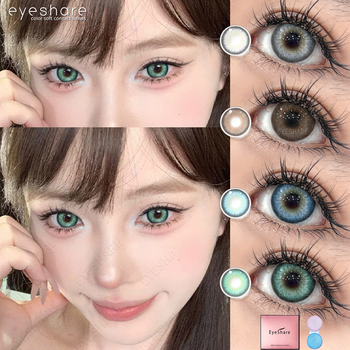
Shenzhen Eyesharelenses Co., Ltd. operates state-of-the-art contact lens production ecosystems verified onsite by SGS Group, catering to regulated global medical device supply chains.
Onsite physical audit by SGS Group. Full operational transparency covers cleanroom sterilization protocols, production trace logs, and compliance verification.
Colorants are molecularly embedded between inner and outer polymer layers. Zero pigment migration contacts corneal tissues, ensuring medical-grade safety.
Automated optical coherence metrology and projection edge-check instruments inspect edge geometry, sagittal depth, base curve (8.5–8.6mm), and power tolerances.
Turnkey brand integration: from customized dot-matrix iris layouts and primary blister barrier packs to multi-language compliant instruction leaflets (IFUs).
Years Global Exporting
Verified Buyer Score
Certified Optical Engineers
Batch Sterilization Tracing
The global contact lens manufacturing market in China has transitioned rapidly from basic homopolymer Poly-HEMA (2-hydroxyethyl methacrylate) solutions into engineered high-oxygen transmissible composite formulations. While conventional HEMA lenses maintain an established benchmark around 38% water content and balanced tear film retention, international regulatory environments—such as the UK MHRA, EU Medical Device Regulation (MDR 2017/745), and the US FDA—are increasingly highlighting corneal oxygen consumption metrics (Dk/t values).
The manufacturing frontier incorporates Silicone Hydrogel (SiHy) macromer technology. By blending fluorosilicone monomers with hydrophilic segments, China's Tier-1 cleanroom production lines produce lenses that achieve oxygen transmissibility surpassing 80 to 120 Dk/t, substantially preventing hypoxia-induced corneal edema during prolonged wear. Concurrently, surface engineering methods such as gas-plasma coating and internal wetting agents (like Polyvinylpyrrolidone, PVP) permanently diminish hydrophobicity without altering lens edge profiles or optical centering.
Procurement teams auditing Chinese suppliers should evaluate the distinction between historical spin-casting mechanics and state-of-the-art fully automated cast-molding systems. Modern cast-molding implements high-precision optical steel toolings machined to nanometer-scale tolerances. Liquid monomers are dispensed into disposable male and female polymer molds, clamped under controlled hydraulic force, and thermally or photochemically cured via UV radiation tunnels.
Cast molding delivers critical batch-to-batch consistency. It maintains sagittal height stability, precise multi-curve posterior zones, and optimized peripheral edge chamfers that guarantee smooth tear exchange underneath the lens. For cosmetic and prosthetic lenses, this robotic process permits inline micro-pad printing where biocompatible, heavy-metal-free dyes are encapsulated inside the lens body before polymerization occurs.
Global optical retail procurement has shifted away from massive single-SKU container commitments toward agile, algorithmic replenishments. Brands now test consumer response across a matrix of 50 to 100 color variations, demanding low Minimum Order Quantities (MOQs as low as 10 to 50 pairs for catalog designs) and swift cycle turns. This shift requires suppliers to maintain massive sterile finished-good inventories alongside custom private-label packing pipelines.
Furthermore, sustainable packaging compliance is accelerating. European and North American buyers require biodegradable or FSC-certified outer paper cartons, recyclable polyolefin blister trays, and reduced-aluminum foil seals. Manufacturers must demonstrate complete lot-level traceability, validating medical blister seal integrity via vacuum dye leak testing conforming to ASTM D3078 benchmarks.
Technical file documentation ready for CE under EU MDR, UK Responsible Person (UKRP) registration, and international device import permits.
Industrial moist heat autoclaving cycles achieving SAL 10⁻⁶ benchmarks, eliminating spore formers while safeguarding pigment and polymer chains.
Precision spectrophotometry ensures exact luminous transmittance, Class II UV blocking (UVA/UVB filtration), and optical pupil clearance.
Essential guidance covering technical tolerances, regulatory obligations, and order fulfillment parameters for professional buyers.
Connect with our technical optical trade specialists to receive full product catalogs, SGS audit documentation, technical specifications, or to review OEM private-label requirements.
Contact Us