High-Velocity Wholesale Formulations & Merchandising SKUs
Pre-validated optical matrices featuring biocompatible HEMA hydrations, micro-pigment sandwich locks, and commercial point-of-sale display assets ready for private labeling.

Contact Lenses Display Shelf Prosthetic Ocular Display
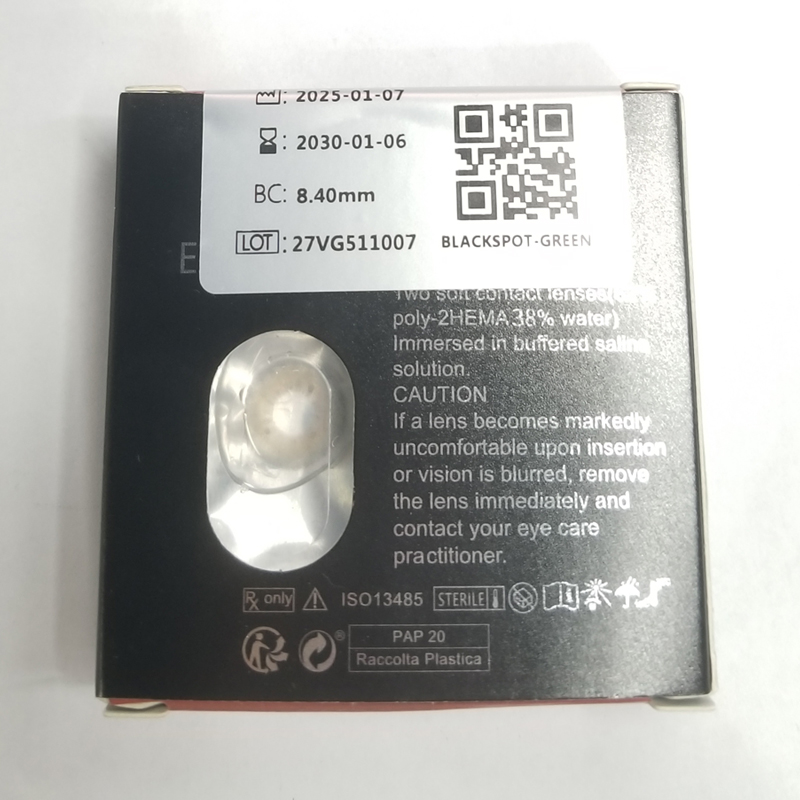
Eyeshare Personal Brand Custom Lens Packaging Box
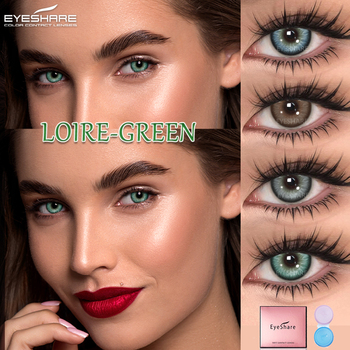
European Style Natural Blue-Grey Cosmetic Lens
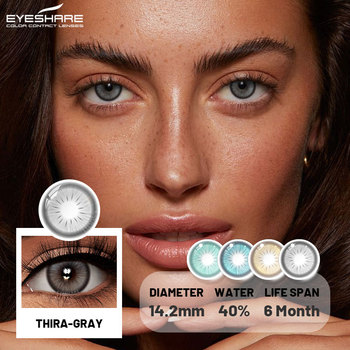
Three-Tone Graded Corrective Myopia Lenses
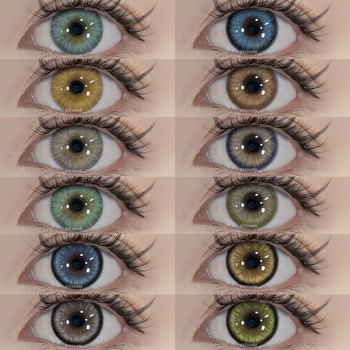
Natural Tri-Tone Biocompatible Daily/Yearly Lenses
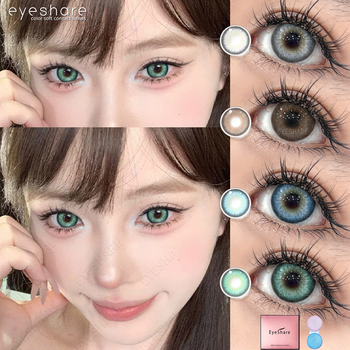
High-Oxygen Permeability 14.5mm Macro-Iris
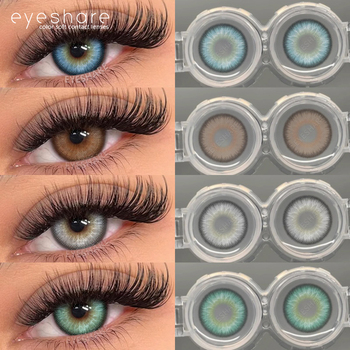
Fashion Vibrant Azure Half-Yearly Disposable
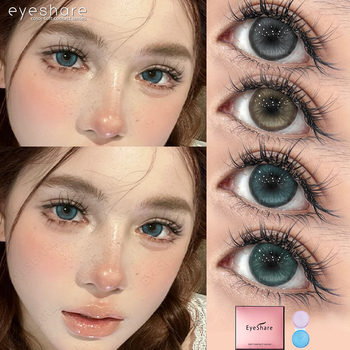
Everyday Subtle 14.2mm Poly-HEMA Natural Iris
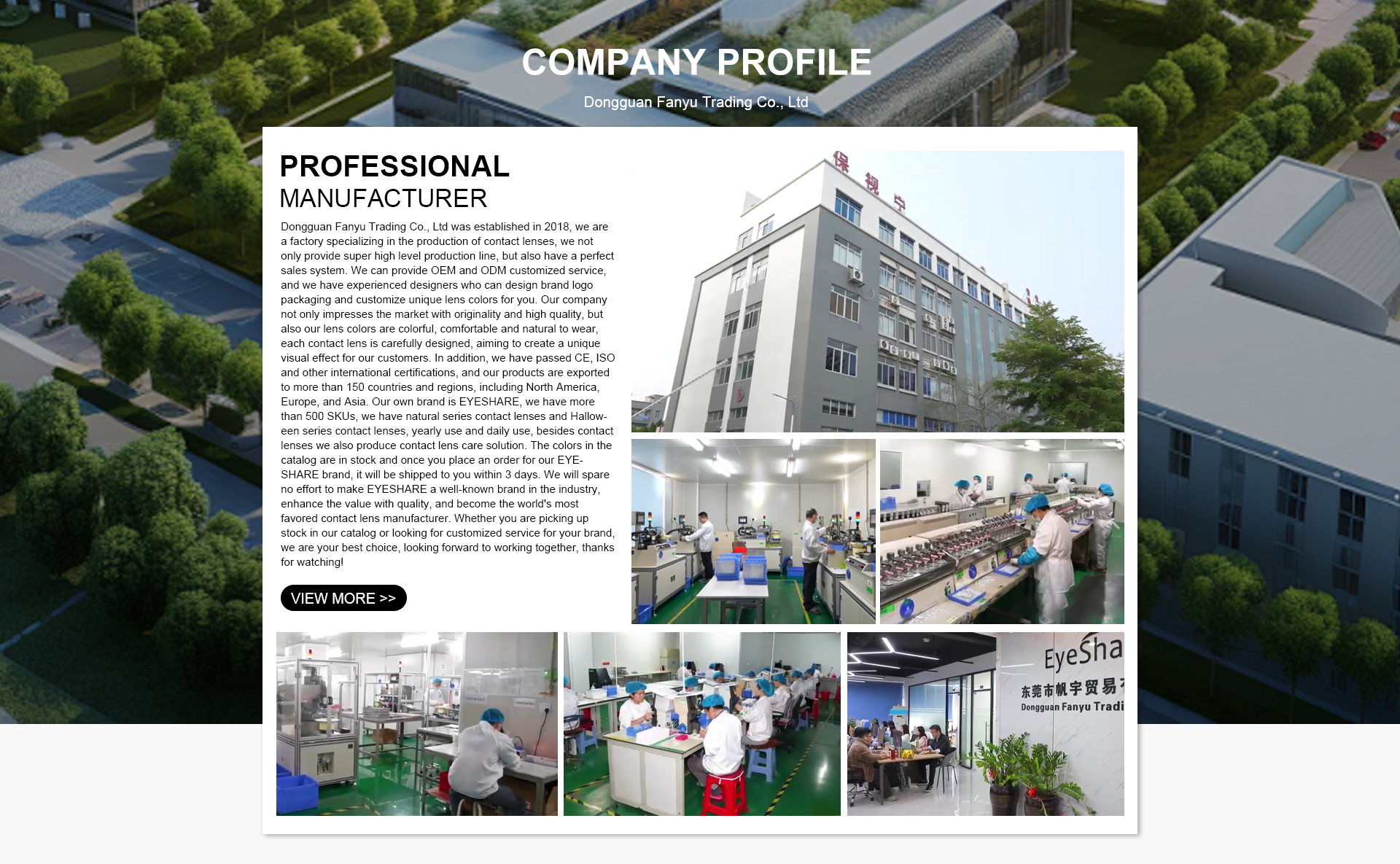
 SGS Onsite Audited Facility
ISO Cleanroom & Quality Assured
Cast-Molding Micro-Precision
Our computerized dual-surface cast molding guarantees absolute curvature stability across base curves 8.5mm to 8.6mm, eliminating astigmatic aberration and fit variability.
Sandwich Bio-Encapsulation
Non-reactive color pigments are permanently embedded between two layers of clear optical polymer. Dyes never contact corneal epithelial tissue or tear films.
O2 Permeability Optimization
Formulated via hydrogel matrices yielding superior Dk/t ratings that support extended 12-hour continuous wear without hypoxia-induced vascular injection.
Batch-Level Traceability
Comprehensive autoclave cycle records, tensile elongation testing, and laser visual scanning recorded under batch numbering for regulatory due-diligence files.
Cosmetic Lens Procurement Trends: The 2025–2030 Market Outlook
A data-informed analysis of raw material evolutions, regulatory tightening, omnichannel branding, and supply chain agility defining the modern cosmetic contact lens landscape.
The Daily Disposable (1-Day) Pivot
While yearly and half-yearly lenses retain massive traction in costume and specialized fashion sectors due to price elasticity, global institutional buyers are accelerating allocations toward daily disposable color lenses. Driven by end-user hygiene awareness and convenience, the 1-Day segment delivers higher customer lifetime value (LTV), predictable replenishment cadences, and minimized post-market liability for retail pharmacy and optical networks.
Silicone-Hydrogel (SiHy) Integration
Material science is migrating past standard Poly-HEMA toward advanced silicone hydrogel formulations tailored for cosmetic tinting. Traditional challenge areas—such as silicone hydrophobicity impairing pigment adhesion—are being overcome by innovative plasma surface treatment and reactive co-polymerization. Next-generation procurement managers actively evaluate suppliers capable of delivering Dk/t values above 80 without sacrificing edge comfort.
Aggressive Regulatory Harmonization
Global authorities—including the UK MHRA under the Opticians Act 1989, EU MDR Class IIa revisions, and US FDA 510(k) mandates—classify zero-powered decorative contact lenses as bona fide medical devices. Procuring organizations can no longer engage fly-by-night repackagers. Sustainable market positioning requires verified factory technical files, localized IFU leaflets, and validated sterilization records.
Hyper-Natural Micro-Dot Iris Aesthetics
Coarse, opaque ring prints are rapidly losing market share to hyper-realistic, multi-layer dot matrices. Leading beauty influencers and demographic shifts demand cosmetic contacts that simulate natural human iris depth—combining warm limbal transitions, pupillary fading, and asymmetrical micro-flecking. Manufacturing success demands high-resolution pad printing precision under micron tolerances.
Agile MOQ & Dynamic Supply Chains
Traditional manufacturing mandates forcing 5,000-unit minimums per SKU are obsolete. Top-tier ODM suppliers now establish localized buffering, standardized raw blanks, and agile secondary packaging workflows. This enables emerging beauty brands to trial fast-turning seasonal shades with test runs of 10 to 50 pairs before committing to enterprise-scale inventory allocations.
Sustainable Polypropylene & Foil Blistering
Corporate ESG directives are reshaping primary packaging standards. Wholesalers and tier-one beauty brands require recyclable polypropylene (PP) blister shells, solvent-free heat-seal foil adhesives, and FSC-certified unbleached secondary paper packaging. Reducing medical-grade packaging plastic volume without compromising saline barrier integrity has emerged as a core commercial RFP criteria.
Comparative Optical Architecture: Cast Molding vs. Lathe Cutting vs. Spin Casting
Understanding the manufacturing mechanics behind cosmetic contact lenses is essential for procurement leads balancing optical clarity, cost efficiency, and clinical safety.
| Parameters | Eyeshare Dual Cast Molding (ODM Benchmark) | Conventional Spin Casting | Manual Lathe Cutting |
|---|---|---|---|
| Curvature Consistency | ±0.01 mm (Zero Astigmatic Distortion) | ±0.05 mm (Parabolic Variability) | ±0.03 mm (Operator Dependent) |
| Pigment Application | Sealed Interlayer Sandwiching (Cornea Safe) | Surface Printing (High Friction Risk) | External Coating / Lamination |
| Edge Geometry | Ultra-Thin Micro-Beveled Taper | Blunt Feather Edge | Square or Stepped Edge |
| Oxygen Transmissibility (Dk/t) | Optimized High Flux Matrix (~24-32 Dk/t) | Standard Low Flux (~12-18 Dk/t) | Moderate Flux (~15-22 Dk/t) |
| Water Content Equilibrium | 38% Non-Dehydrating Hydrogel | 42% - 55% High Evaporative Loss | 38% - 45% Variable Hydration |
| High-Volume Scalability | Automated Cleanroom >500,000 units/mo | High Volume, Lower Yield Consistency | Low Capacity, High Labor Intensity |
| Regulatory Clearance Readiness | Full CE, ISO 13485 & SGS Onsite Audit File | Variable by Regional Converter | Requires Batch Specific Testing |
End-to-End Private Label OEM/ODM Procurement Roadmap
From initial design swatch and chromatic calibration to international regulatory labeling and global customs delivery, our systematized five-stage pipeline ensures flawless market execution.
01. Concept & SKU Formulation
Collaborative alignment on target chromatic palette, iris diameters (14.0mm to 14.5mm), replacement schedule, and specific market compliance guidelines (e.g., UK Opticians Act, EU CE, or US FDA requirements).
02. Tooling & On-Eye Samples
Rapid precision prototyping using our curated library of over 300+ stock matrices, or rapid custom pad-plate laser engraving for bespoke colorways. Physical sample units dispatched for clinical on-eye evaluation.
03. Packaging Engineering
Design of bespoke outer tuck boxes, sterile sealed blister foils, custom tamper-proof glass vials, and English-language Instructions for Use (IFU) leaflets complete with scannable GTIN/EAN barcodes.
04. Automated Run & Sterilization
Mass-scale cleanroom cast molding followed by computer vision dimensional sorting, 121°C pressurized autoclave terminal sterilization, and strict 100% finished-lot inspection by certified QA engineers.
05. DDP Logistics & Clearance
Preparation of full export dossiers including Certificates of Free Sale, safety data sheets (MSDS), and Certificate of Analysis (CoA) reports, backed by prioritized air freight and expedited customs brokerage.
Frequently Asked Questions for Wholesale & Private-Label Buyers
Direct, unvarnished guidance on operational minimums, regulatory classifications, ocular biocompatibility, and supply chain timelines.
What is the fundamental difference between OEM and ODM services in contact lens manufacturing?
Can cosmetic contact lenses be legally retailed in the UK without optometrist supervision?
How does sandwich printing technology prevent pigment migration and corneal irritation?
What are the realistic Minimum Order Quantities (MOQs) for stock vs. full custom private label orders?
Why is 38% water content considered the optimal standard for yearly and cosmetic wear?
How does Shenzhen Eyesharelenses Co., Ltd guarantee consistency across repeat production runs?
What is the recommended ordering window for seasonal demand spikes such as Halloween?
What testing documentation accompanies each wholesale delivery?
Ready to Scale Your Contact Lens Portfolio with a Trusted ODM Partner?
Connect directly with our senior optical engineering and trade specialists. Receive full wholesale volume pricing tables, technical compliance dossiers, and a physical sampling consultation customized to your brand’s retail requirements.