Private Label Box
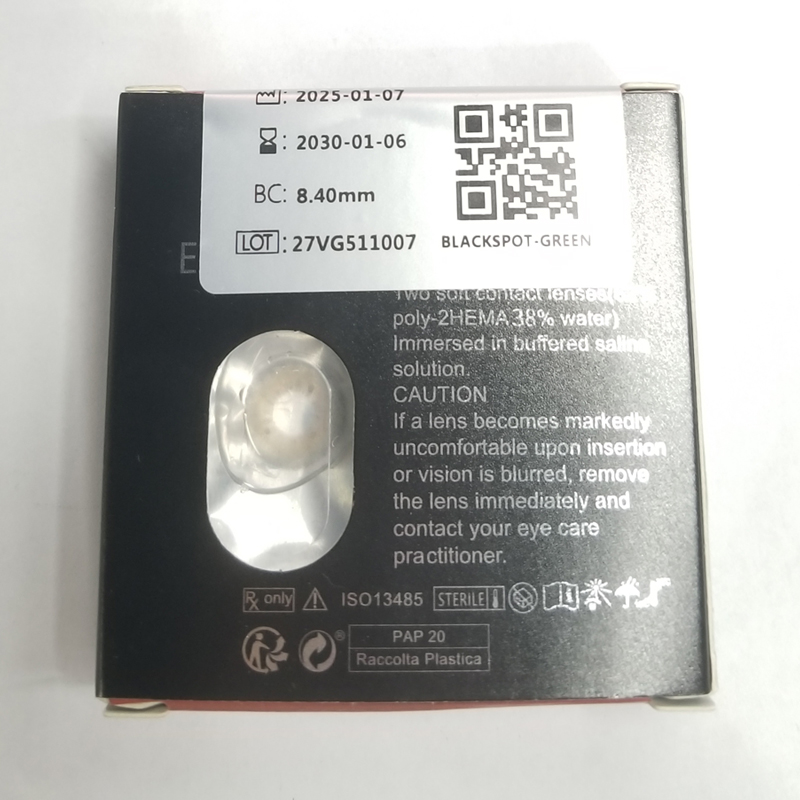
Eyeshare Wholesale Personal Brand Lentes De Contacto Custom Paper Box
MOQ: Bulk Configurable
Inquire Now
Manufactured using medical-grade Cast Molding and Sandwich Technology. Certified for dimensional precision, pigment encapsulation, and all-day corneal oxygen permeability.

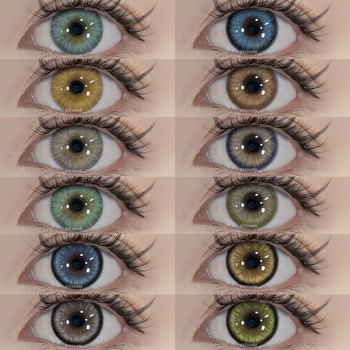
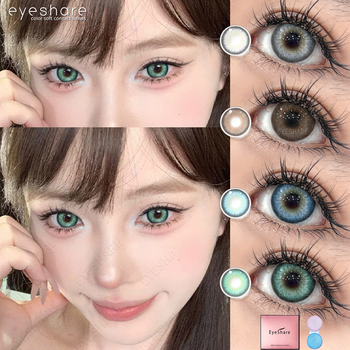
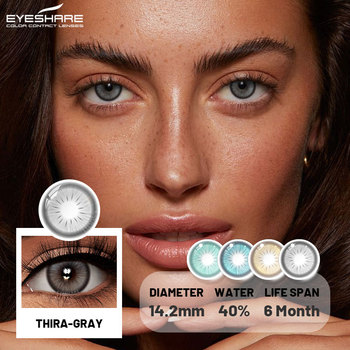
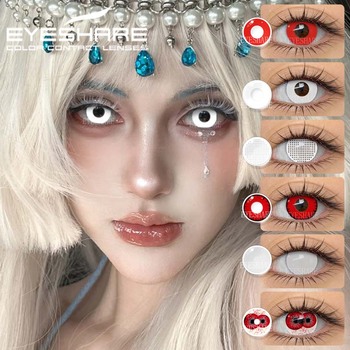

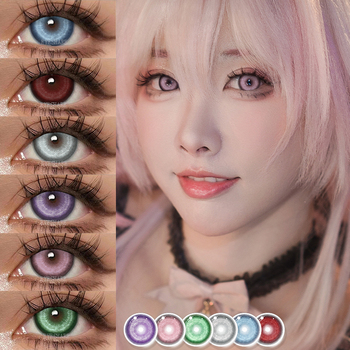
Shenzhen Eyesharelenses Co., Ltd is an SGS Group onsite-assessed cosmetic contact lens manufacturer engineered to provide international optical importers, medical distributors, and DTC cosmetic brands with unmatched quality assurance, full traceability, and competitive lead times.
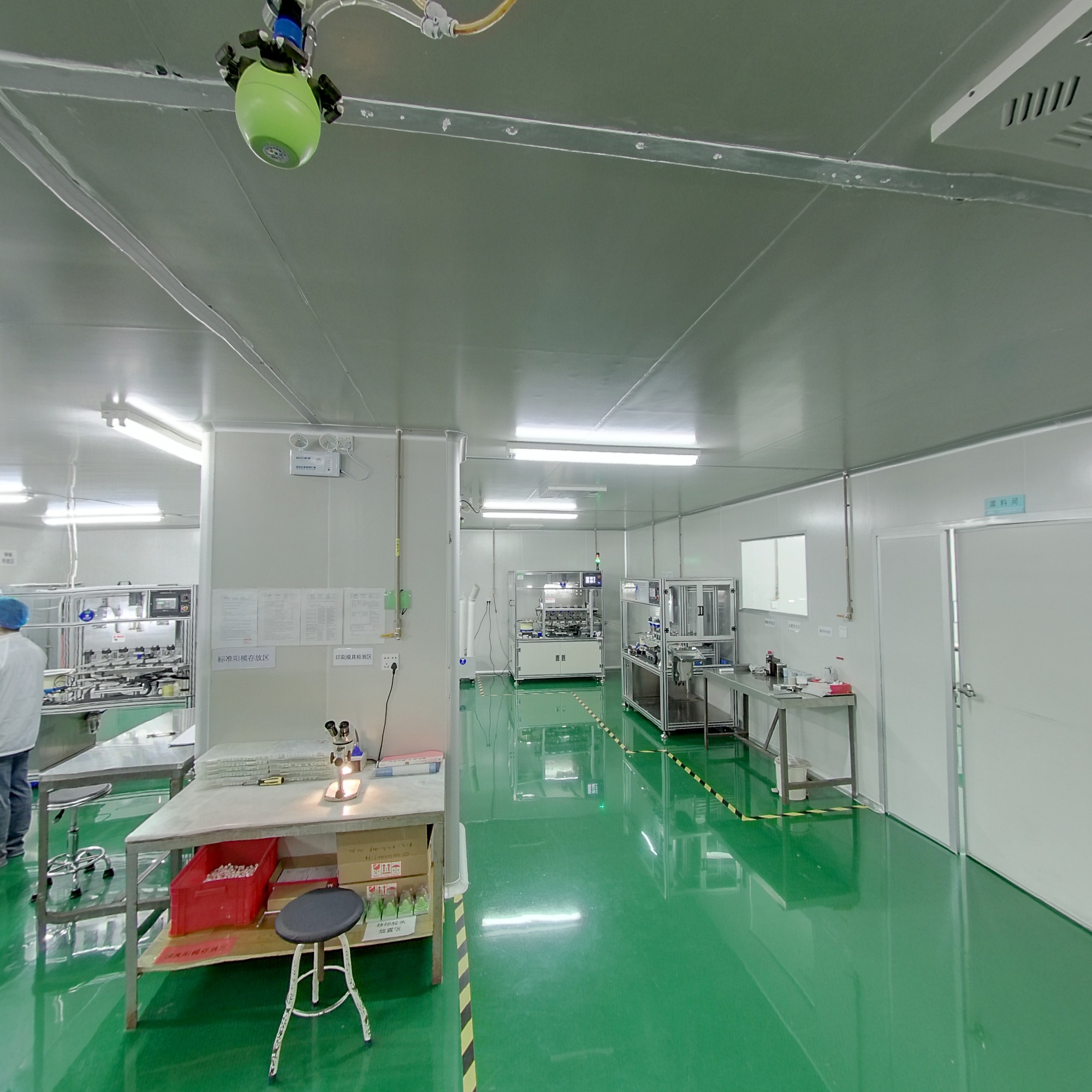

Unlike lower-tier manufacturers that apply printing inks directly to the lens surface, Eyeshare utilizes an advanced sandwiching casting process. Bio-compatible, FDA-approved color micro-pigments are completely embedded between two protective polymer layers of Poly-HEMA (2-hydroxyethyl methacrylate). This guarantees that coloring agents never come into physical contact with the corneal endothelium, epithelial cells, or tear film, completely eliminating risks of chemical leaching, pigment flaking, foreign-body irritation, and corneal micro-abrasions.
Corneal comfort depends on edge geometry and dynamic tear-film turnover. Our high-precision steel tooling creates ultra-thin, tapered edge profiles utilizing multi-curvature aspheric parameters. This smooth transition reduces mechanical friction between the inner palpebral conjunctiva (eyelid lining) and the lens surface during normal blinking cycles (15,000–20,000 blinks per day). The optimized peripheral curve facilitates natural tear drainage and lipid replenishment, preventing peripheral edge lift and dry-eye fatigue.
Every single batch produced at our audited facility undergoes rigid testing overseen by over 5 senior biomedical engineers with 5+ years of specialized experience. Automated optical metrology projectors measure back optic zone radius (Base Curve, 8.5–8.6mm) and total diameter (14.0–14.5mm) with micrometer-level precision. Further finished product inspections verify water content retention (~38% to 42%), oxygen permeability (Dk/t values), tensile elongation strength, extractables, and 100% blister integrity post-autoclave terminal sterilization.
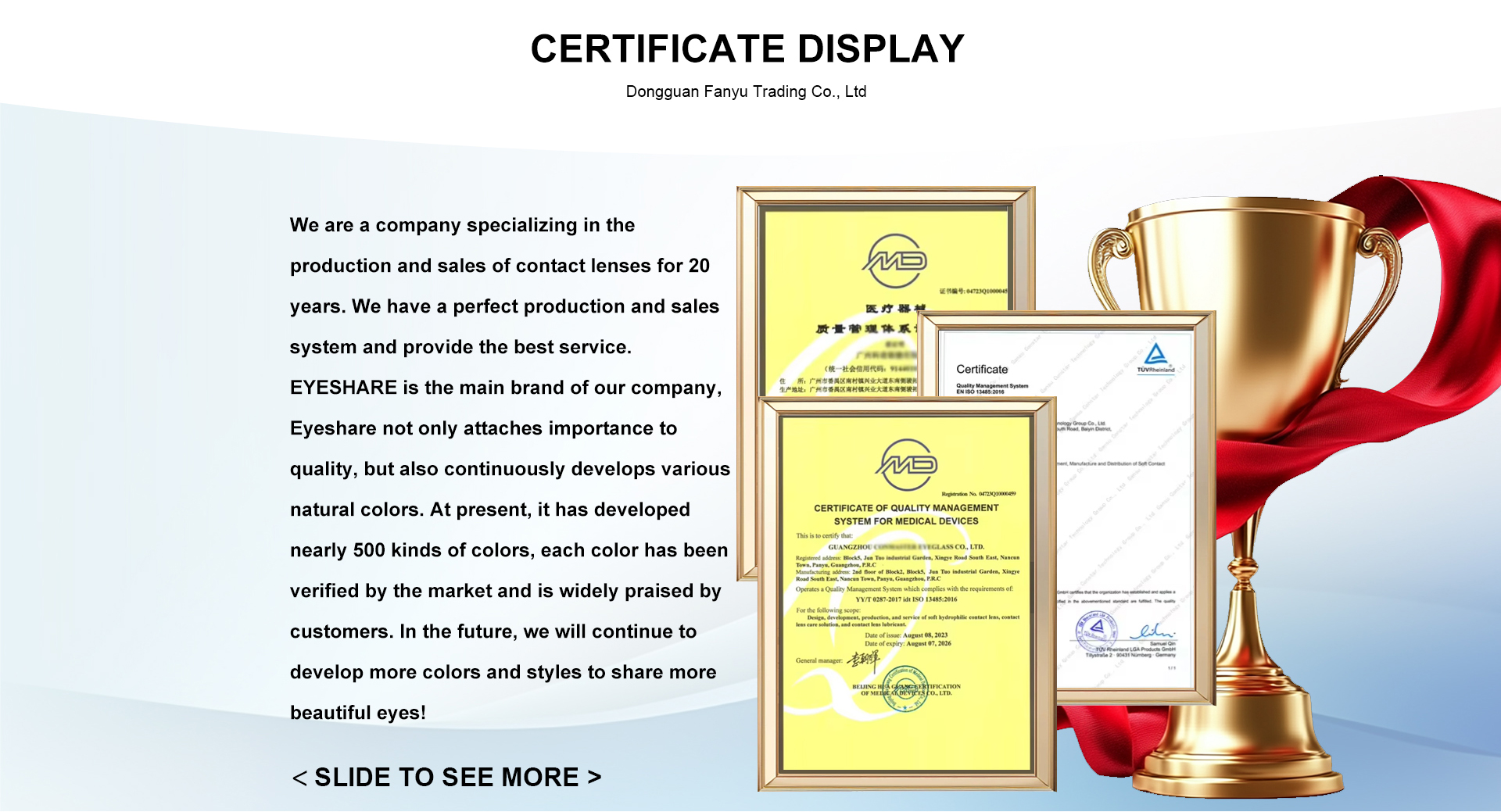
In mature optical markets, contact lenses are strictly regulated as Class IIa (EU MDR / UK MDR) and Class II (US FDA) medical devices, irrespective of corrective diopter values (Plano 0.00 lenses included). Under the UK Opticians Act 1989, retail distribution mandates supervision by registered professionals. Eyeshare provides a comprehensive Technical Documentation File (TDF) to our OEM brand partners, including CE certifications, SGS Onsite Verification audits, ISO 13485:2016 Quality Management certificates, cytotoxicity biocompatibility testing (ISO 10993), accelerated stability test reports, and fully localized bilingual Instructions for Use (IFU) leaflets.
Strategic sourcing insights for B2B procurement managers, optical chain category buyers, and beauty private-label founders looking to optimize working capital and minimize supply disruption.
While traditional half-yearly and yearly Poly-HEMA lenses maintain strong margins in developing markets and cosplay niches due to cost efficiency, Tier-1 European, North American, and East Asian markets are rapidly shifting toward Daily Disposable (1-Day) cosmetic lenses. Procurement strategies are prioritizing high-Dk Silicone Hydrogel (SiHy) formulations. Silicone hydrogel allows up to five times more atmospheric oxygen to reach the cornea compared to conventional hydrogels, eliminating hypoxia-induced corneal neovascularization during extended 14-hour wear. Sourcing teams are advised to balance SKUs: maintain high-volume yearly replacement items for high-margin retail while expanding 1-Day daily disposable programs to drive recurring customer lifetime value (LTV).
Long lead times and astronomical Minimum Order Quantities (MOQs) of 5,000–10,000 pairs per SKU are being phased out by agile brands. In response to fast-changing TikTok and Instagram aesthetics, purchasing managers require fast inventory turns and modular packaging pipelines. Eyeshare’s agile supply chain allows buyers to leverage in-stock sterile finished lenses with customizable secondary paper packaging and tamper-evident blister cartons starting from flexible MOQ thresholds. This allows brands to test 10+ novel color patterns (e.g., Russian Ash Grey, Mel Brown, Sakura Lilac) without tying up operating cash flow in speculative inventory.
Regulatory authorities across the EU (MDR 2017/745), the UK (MHRA), and North America are stepping up audits on zero-powered cosmetic contact lenses sold online. Sourcing from uncertified trading companies poses severe customs seizure risks, import bans, and civil liability. Procurement directors are demanding uncompromised supply chain transparency: lot-specific sterilization validation certificates, biocompatibility test results, and clear identification of the designated Authorized Representative (EAR / UKRP). Direct partnership with verified OEM exporters like Shenzhen Eyesharelenses ensures bulletproof compliance across all destination ports.
Over 40% of annual specialty color lens retail turnover is generated between August and October during the Halloween and comic convention cycle. A common procurement bottleneck is supply chain congestion during late Q3, which leads to freight premiums and lost holiday revenue. Global procurement best practices dictate placing custom OEM graphic approvals in May–June, executing bulk production in July, and clearing local customs by early September. Ensuring safety stocks of high-demand patterns (Vampire Red, Mesh White-Out, Cat Eye Yellow, Black Sclera) is vital for maximizing seasonal margins.
Comprehensive technical and commercial answers designed to streamline due diligence for procurement teams, QA professionals, and retail brand founders.
Contact our senior optical engineering and export team today to receive our complete OEM/ODM technical white paper, sterile wholesale product catalog, compliance verification files, and competitive price matrices.