Display / Merch

Contact Lenses Display Shelf Prosthetic Glass Eyes Showcase Rack
Unit MOQ: Low MOQ
View Details
Direct procurement catalog featuring precision-molded soft hydrogel formulations, stable three-tone matrix prints, and custom-branded merchandising solutions.
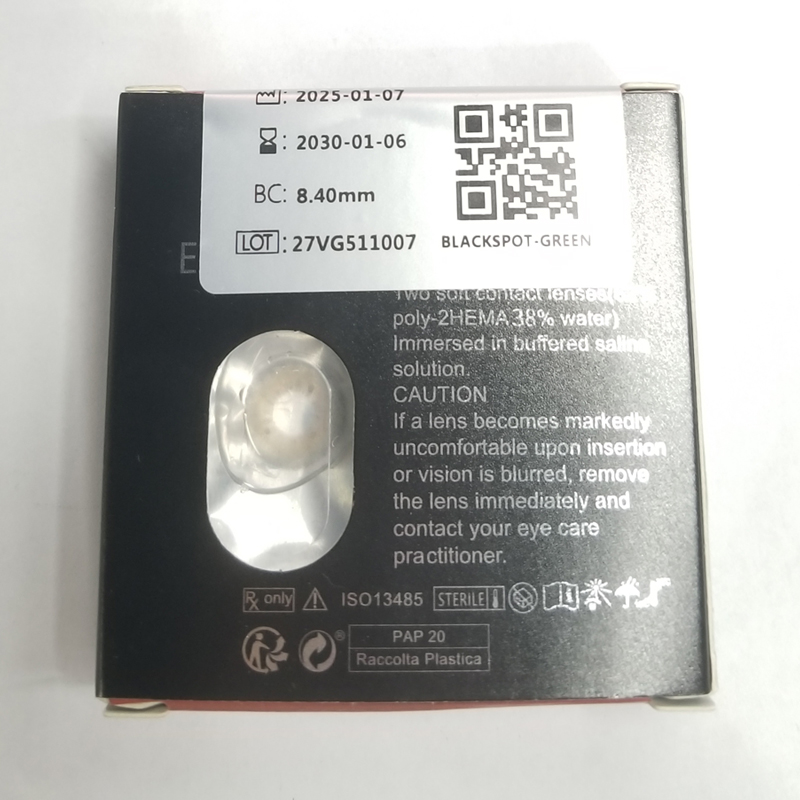
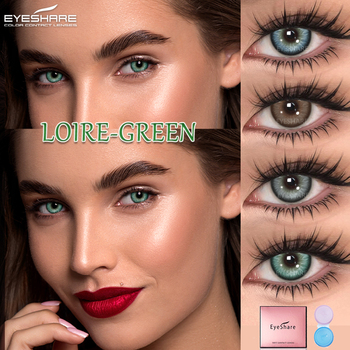
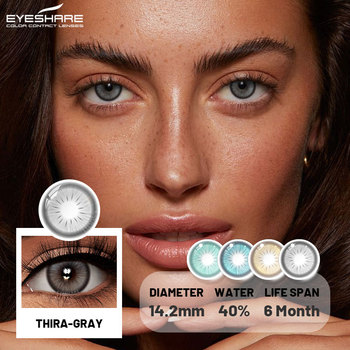
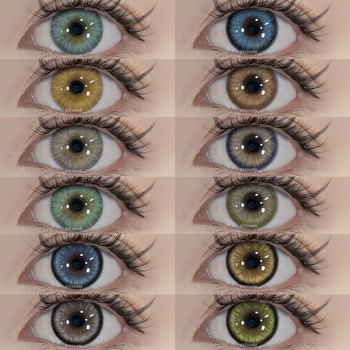
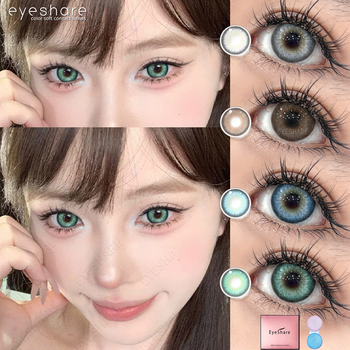
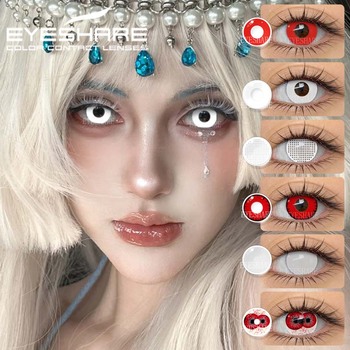
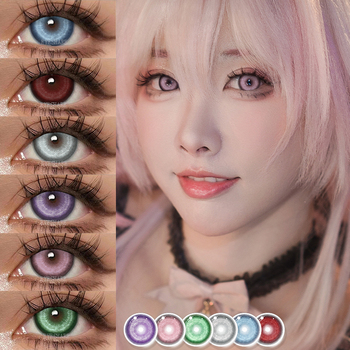
Why leading global optometry distributors, theatrical studios, and private-label DTC fashion cosmetic labels rely on Shenzhen Eyesharelenses Co., Ltd.
Every operational batch is manufactured within an SGS Group assessed cleanroom facility. We adhere to rigorous ISO 13485 cleanroom protocols, ensuring sterile environment casting, automated blister sealing, and batch trace records.
Using proprietary semi-cast latent color encapsulation, micro-pigments are enclosed between two ultra-thin layers of poly-HEMA. Raw dyes never make physical contact with corneal tissues, preventing irritation and zero pigment fading.
Backed by over 5 senior certified optical engineers holding 5+ years of specialized micro-optics experience, our optical factory delivers customized toric parameters, multifocal color curves, and private label pattern formulation.
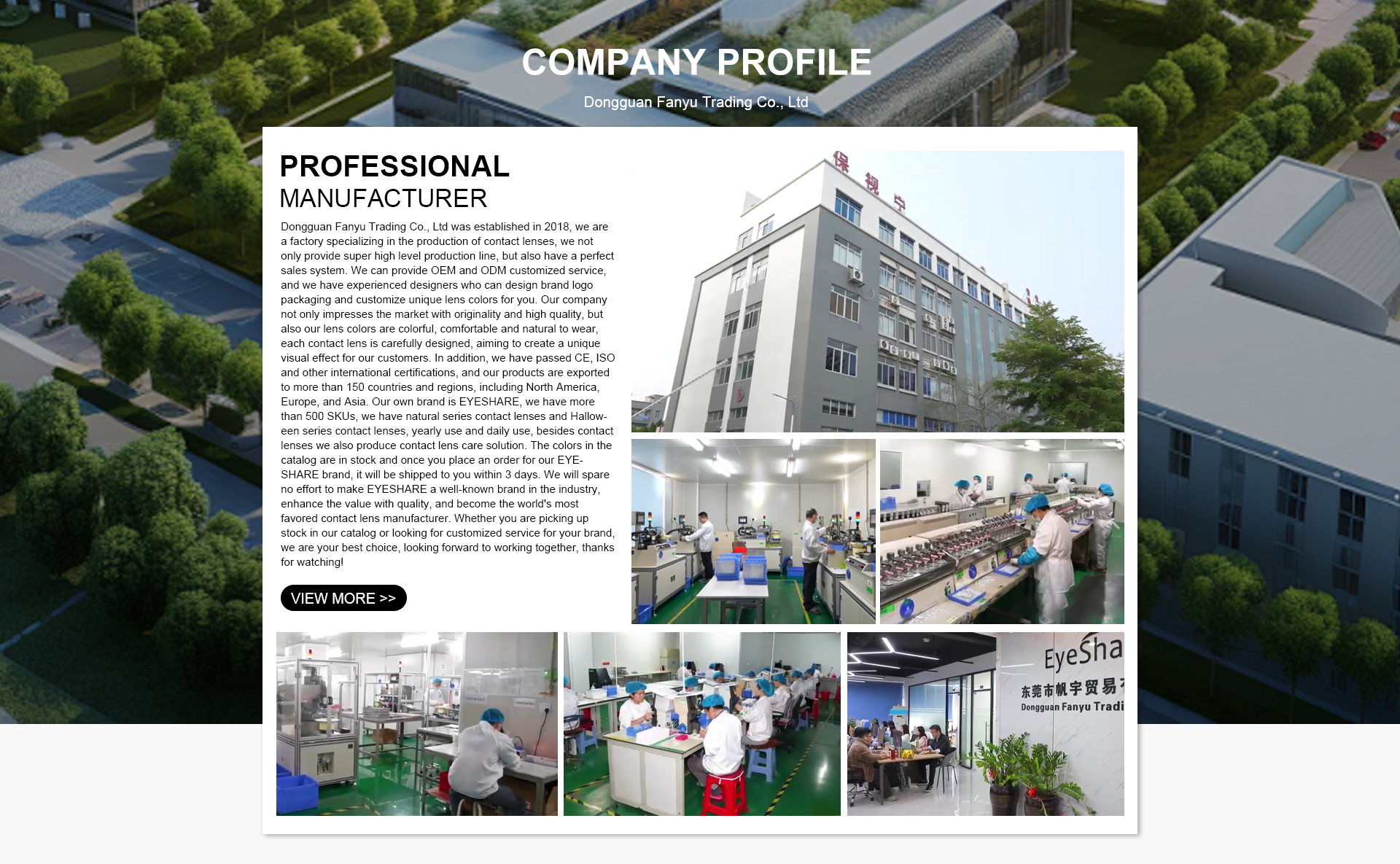
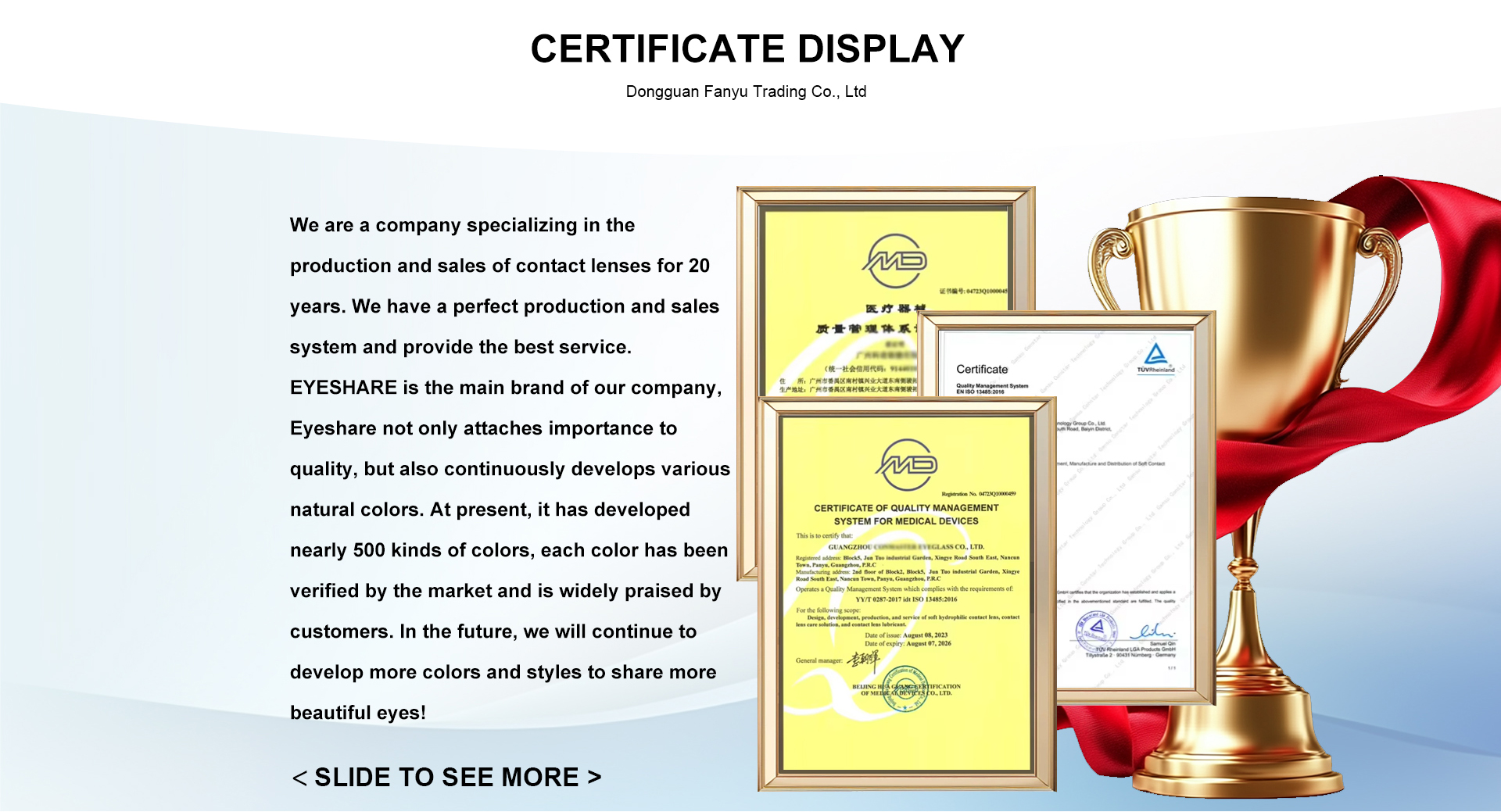

Selecting a certified custom contact lenses manufacturer is an operational decision that directly governs your brand's regulatory standing and market longevity. Operating from our Shenzhen facility, Shenzhen Eyesharelenses Co., Ltd bridges high-precision optical mold-casting with modern cosmetic design demands. Each batch undergoes multi-stage finished product inspections: computer-assisted edge profilometry ensures uniform bevel curvature (8.5mm to 8.6mm Base Curve), preventing corneal abrasion, while spectrophotometers analyze color consistency down to a delta-E threshold imperceptible to the human eye.
Unlike unverified brokers, our direct-factory pipeline provides complete traceability: from medical-grade monomer sourcing (poly-2-hydroxyethyl methacrylate) to saline buffer formulation and final gamma/steam autoclave sterilization. We equip global importers with comprehensive technical dossier access, batch-specific test reports, and fully localized packaging design support to streamline compliance with local authorities such as the UK MHRA, EU CE bodies, and North American distribution protocols.
An executive analysis on where the global contact lens manufacturing supply chain is heading through 2026 and beyond.
While traditional 38% HEMA hydrogels remain the wholesale standard for affordable cosmetic wear, next-generation procurement is moving toward high-Dk/t silicone hydrogel formulations. This enables extended wearing times, reduced hypoxia risk, and higher price-point margins for private brands.
Consumer scrutiny over ocular safety has made non-embedded surface pigments obsolete. Procurement contracts now mandate multi-sandwich encapsulation technology, where dyes remain chemically isolated inside the polymer core, eliminating dye migration and corneal contact.
Traditional mill-run MOQs of 10,000 units are giving way to agile on-demand manufacturing. Tier-one factories now provide low initial minimum order quantities (10–20 pairs per stock pattern) paired with fast custom OEM box prototyping to help DTC brands rapidly iterate seasonal launches.
The Evolution of Theatrical & Cosmetic Procurement: Over the next 3 to 5 years, the cosmetic contact lens industry will experience a massive convergence of medical safety compliance and dynamic beauty trends. For wholesale buyers, managing seasonal demand—specifically the intense Q3 ramp-up for Halloween, festival cosplay, and theatrical comic conventions—requires selecting an OEM partner that can guarantee consistent pigment density without extending lead times.
Furthermore, global regulatory scrutiny across the UK (Opticians Act 1989 / MHRA), European MDR (Regulation EU 2017/745), and the US FDA requires that zero-powered plano lenses adhere to the same stringent microbial barrier, cytotoxicity, and leachability assays as optical prescription devices. Buyers who partner directly with factories offering full technical documentation, verified CE models, and standardized cleanroom autoclaving will safeguard their supply chains against customs seizures and product liability challenges.
Essential technical, regulatory, and supply chain insights for professional brand owners and procurement directors.
For catalog in-stock shades, our MOQ starts as low as 10 to 20 pairs per color variant to accommodate initial sampling. For bespoke private-label packaging (custom branded paper boxes, printed foil blister lids, multilingual instruction leaflets), MOQ typically starts at 500 sets. Custom proprietary iris pattern casting is quoted based on tooling and film design requirements.
We deploy specialized semi-cast sandwich encapsulation technology. Colorants are chemically fixed and locked between the interior and anterior hydrogel layers (poly-HEMA). Pigments never contact ocular tissue, tears, or the eyelid margins, passing stringent cytotoxicity, ocular irritation, and extraction testing before dispatch.
Yes. Our operations have been verified onsite by SGS Group, confirming sterile room management, traceable lot numbering, and technical compliance. Selected models carry CE certification. We provide full technical documentation, certificates of analysis (COA), and sterilized barrier test reports to facilitate import clearance across Europe, the Americas, and Asia.
Our standard cosmetic hydrogel lenses feature a 38% to 42% water content balance, Base Curve (BC) of 8.5mm to 8.6mm, and overall diameter (DIA) options of 14.0mm, 14.2mm, and 14.5mm. We produce plano (0.00 power) fashion lenses as well as myopia corrective powers (-1.00D to -8.00D) across half-yearly and yearly wear modalities.
Because Halloween accounts for significant global volume, production schedules fill up quickly. We recommend finalizing sampling in May–June and locking down bulk manufacturing purchase orders by mid-August. This guarantees production allocation, inspection windows, and sufficient shipping buffer to clear customs ahead of peak October retail traffic.
Yes. In addition to sterile primary packaging (blisters and glass vials), we supply branded contact lens companion cases, sterile tweezer inserter kits, and professional acrylic display showcases for optical practices, pharmacy counters, and cosmetic boutique point-of-sale setups.
Initiate direct communication with our dedicated technical export department. Receive free sample evaluations, OEM packaging die-lines, and volume tiered wholesale quotations tailored to your distribution footprint.
Contact Us